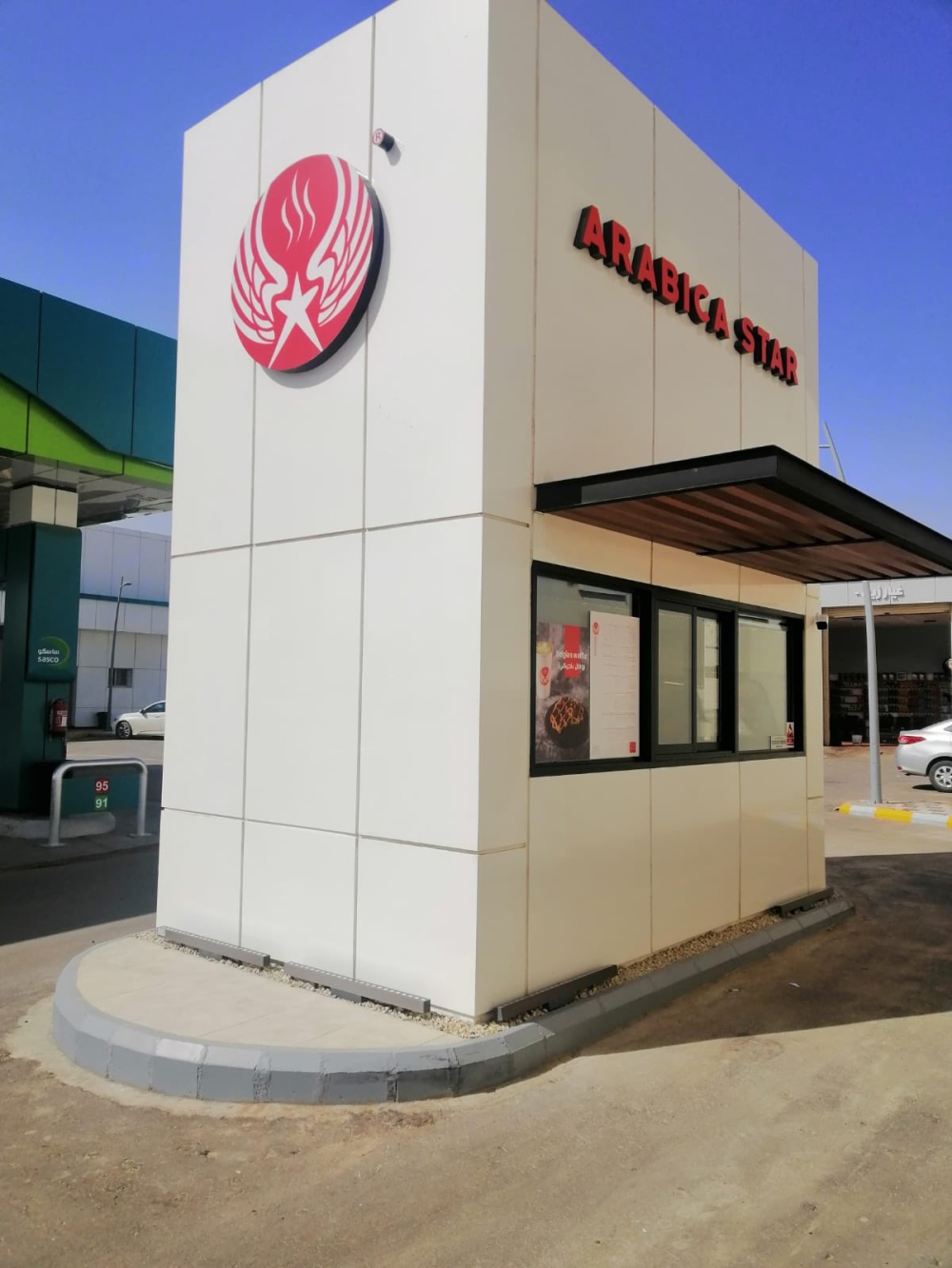
The Saudi market recently witnessed a significant announcement regarding the financial performance of listed companies, with Arabica Star's losses the economic scene. Star Arabia, commercially known as "Arabica Star," reported substantial financial losses of approximately SAR 3.1 million in 2025. This marked decline follows the company's positive profits of around SAR 4.47 million in the preceding year, 2024, prompting questions from investors and analysts about the underlying reasons for this negative shift in the company's financial performance.
Historical context and the journey of Arabica Star in the market
Star Arabia is a leading company operating in the specialty coffee and beverage sector in Saudi Arabia. Historically, the company has benefited from the significant boom in the Kingdom's retail and hospitality sectors, which coincided with cultural and economic changes that supported the growth of the coffee shop industry. Over the years, the company has built a strong customer base and expanded its branch network to meet the increasing demand for specialty coffee and innovative beverages. With its listing on the Saudi Stock Exchange (Tadawul), the company has come under close scrutiny from investors who are closely monitoring its financial performance and its ability to adapt to economic changes. However, the coffee shop sector is highly competitive, posing ongoing challenges for companies to maintain their market share and profit margins.
Factors leading to Arabica Star's losses and market impacts
The official statement issued by the company and published on the Saudi Stock Exchange (Tadawul) website explained that Arabica Star's losses resulted from a slight decline in operational performance, influenced by general market conditions. These conditions can be attributed to a range of economic factors affecting the retail sector in general, such as fluctuations in raw material prices, particularly coffee beans, which are experiencing global price changes, in addition to rising operating costs related to rent and wages. Furthermore, increased competition in the Saudi market, with the entry of new local and international brands, has placed additional pressure on sales and profit margins. These factors combined led to the company's shift from profitability to losses, reflecting the sector's sensitivity to macroeconomic changes.
Economic importance and expected impact on the local and regional sector
This financial turnaround carries significant implications that extend beyond the company itself to encompass the entire retail and hospitality sector. Locally, this downturn signals to investors the need to reassess their investment strategies in the coffee shop sector and focus on companies with high operational resilience. It may also prompt competing companies to review their cost structures and develop their business models to avoid a similar fate. Regionally, the performance of listed Saudi companies is a key indicator of the attractiveness of the Gulf market, and any volatility in earnings could affect the confidence of foreign investors seeking stable investment opportunities in the region. Nevertheless, the Saudi market remains strong, supported by government initiatives aimed at diversifying the economy and strengthening the role of the private sector.
Management initiatives and future recovery plans
Faced with these challenges, Star Arabia's management has not remained idle. According to the financial statement, management is currently implementing a package of development and strategic initiatives primarily aimed at increasing operational efficiency and reducing financial waste. These initiatives include reassessing the performance of existing branches, improving the supply chain, and potentially adopting modern operational management technologies to reduce costs. Through these proactive steps, the company hopes to achieve a gradual and sustainable improvement in financial results over the coming quarters. The success of these initiatives will be crucial in restoring shareholder confidence and returning the company to a path of profitability, underscoring the importance of agile management in overcoming transient economic crises.