تُعد اللغة العربية ركيزة أساسية في تكوين الهوية الثقافية والحضارية للأمة، فهي ليست مجرد وسيلة للتواصل، بل هي الوعاء الذي يحفظ تاريخ العرب ومنجزاتهم، والعمود الفقري الذي تستند إليه القيم الدينية والفكرية. وتكتسب لغة الضاد أهمية متزايدة في ظل المتغيرات العالمية، حيث يحتفي العالم بها سنوياً في الثامن عشر من ديسمبر، وهو التاريخ الذي يوافق قرار الجمعية العامة للأمم المتحدة عام 1973 بإدخال اللغة العربية ضمن اللغات الرسمية ولغات العمل في الأمم المتحدة.
أهمية اللغة العربية وتاريخها العريق
تمتد جذور اللغة العربية إلى عمق التاريخ، حيث استطاعت الحفاظ على خصائصها اللغوية والنحوية لأكثر من 1400 عام، بفضل نزول القرآن الكريم بلسان عربي مبين. وتكمن أهمية هذه اللغة في كونها جسراً يربط الماضي بالحاضر، وحلقة وصل بين الشعوب والثقافات المختلفة، مما جعلها تؤثر تأثيراً مباشراً في العديد من اللغات الأخرى وتساهم في نقل العلوم والمعارف خلال العصور الذهبية للحضارة الإسلامية.
تعزيز الهوية والتماسك المجتمعي
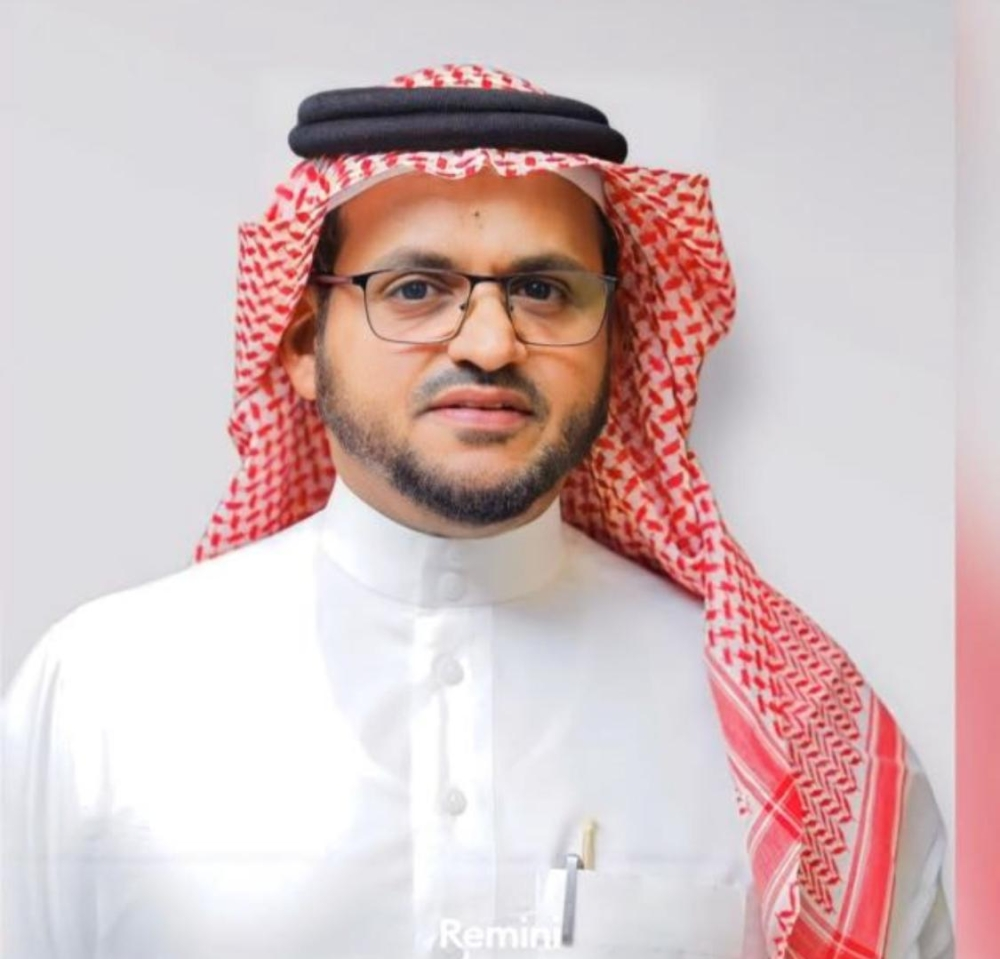
وفي حديثهم لـ«اليوم»، أكد مختصون أن حماية العربية مسؤولية تكاملية. حيث أوضح مدير مركز التميز البحثي في اللغة العربية بجامعة الملك عبدالعزيز، الأستاذ الدكتور عبدالرحمن السلمي، أن اللغة العربية تلعب دوراً محورياً في تعزيز هوية المجتمع. وأشار إلى أنها تمثل "الذاكرة المجتمعية" التي تختزن تجارب الأمة وحكمتها، بدءاً من النصوص الشرعية وصولاً إلى الإرث الأدبي والشعري.
وأضاف السلمي أن اللغة تعمل كعامل توحيد قوي بين أفراد المجتمع، مانحة إياهم شعوراً بالانتماء لثقافة واحدة، مما يعزز التماسك الاجتماعي. كما نوه إلى دور المؤسسات المدنية كشريك استراتيجي في سن السياسات اللغوية التي تضمن مواكبة العربية لمستجدات العصر مع الحفاظ على أصالتها.
الدور الريادي للمملكة العربية السعودية
من جانبها، سلطت عضو هيئة التدريس بجامعة الأمير سطام، الأستاذة الدكتورة مليحة محمد القحطاني، الضوء على الجهود الكبيرة التي تبذلها المملكة العربية السعودية لخدمة لغة الضاد. وأكدت أن المملكة، انطلاقاً من مكانتها كمهبط للوحي، تقود حراكاً ثقافياً عالمياً لدعم اللغة العربية، يتجلى بوضوح في تأسيس مجمع الملك سلمان العالمي للغة العربية.
وأشارت القحطاني إلى أن رؤية المملكة لا تقتصر على الداخل، بل تمتد لنشر اللغة عالمياً عبر المنح الدراسية، وإنشاء المعاهد المتخصصة لتعليم غير الناطقين بها، والتعاون مع المنظمات الدولية مثل اليونسكو والألكسو، مما يرسخ حضور العربية كلغة حضارة وعلم.
تحديات العصر الرقمي والذكاء الاصطناعي
وفي سياق متصل، تطرقت معلمة اللغة العربية غادة مكي الشريف إلى التحديات الراهنة التي تواجه اللغة في العصر الرقمي. وأوضحت أن الهيمنة الرقمية للغات الأجنبية والتطور التكنولوجي المتسارع يفرضان تحديات حقيقية تتطلب تعزيز المحتوى العربي على شبكة الإنترنت.
ودعت الشريف المؤسسات التعليمية إلى تبني مبادرات تدعم الترجمة والنشر الرقمي، واكتشاف المواهب الأدبية، موجهة رسالة إلى الأجيال الجديدة بضرورة التمسك بالفصحى والتقليل من استخدام العامية لضمان استمرار اللغة كأداة فاعلة للتفكير والإبداع.