The Arabian horse: a cultural icon that transcends time and place
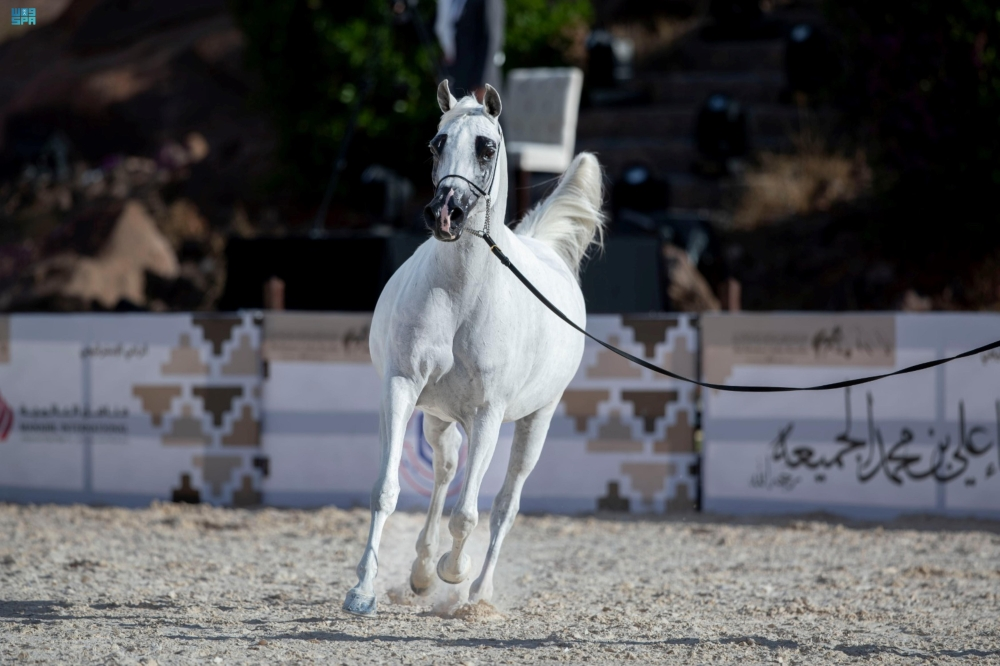
The Arabian horse has never been merely a means of transportation or a tool of war in the lives of Arabs; it has been a partner, a companion, and a symbol of authenticity, chivalry, and beauty. It is an integral part of the cultural identity and deep-rooted heritage that stretches back thousands of years in the Arabian Peninsula. From its neighing that echoed in the poems of the Mu'allaqat to its graceful lines that adorn contemporary paintings, the Arabian horse remains an inexhaustible source of inspiration, embodying pride, dignity, and loyalty.
Historical background: A relationship deeply rooted in the desert
The relationship between Arabs and horses dates back to pre-Islamic times, when the lives of the tribes were inextricably linked to this noble creature. Owning a purebred horse was not merely a sign of wealth, but also an indicator of a tribe's strength, power, and standing among other tribes. Horses were a crucial element in the "Days of the Arabs," the historical battles and events that formed a significant part of the region's history. The Arabian horse was distinguished by unique qualities such as endurance in harsh desert conditions, intelligence, and unwavering loyalty to its owner, making it a prized and revered animal.
Fine art: When the brush captures the beauty of the neigh
Visual artists have drawn inspiration from the beauty of the Arabian horse, finding in its neighing and graceful form a rich tapestry of creative expression. An artist's brush transforms it into a masterpiece, a work of art that resonates deeply with the human soul. In this vein, His Royal Highness Prince Khalid Al-Faisal has created a number of paintings of horses, including "Asayef," "Afras," "Al-Harib," "Asaf Al-Khail," "Bint Al-Kahila," and "Banat Al-Reeh." Furthermore, numerous Saudi visual artists have also been inspired by horses, capturing their visual rhythm, movements, and colors, transforming them into vibrant and powerful works of art.
Arabic Poetry: The Great Horse Divan
Poets have long drawn inspiration from the presence of horses, as they symbolize identity and authentic heritage. Poetry, the Arabs' chronicle, has been the most faithful record of this relationship. Arab poets throughout the ages have excelled in mentioning horses in their poetry, perhaps most famously Imru' al-Qays, who dedicated immortal verses in his Mu'allaqa to describing his horse
Attacking, retreating, advancing, and withdrawing all at once, like a boulder of
rock that the torrent has hurled down from a height.
This inspiration did not end with the pre-Islamic era, but remained strongly present. The poet Muhammad Jabr al-Harbi wrote a lengthy poem about horses, in which he said:
The horses submitted to you, coming willingly,
though before your light they were barren and sparkling.
The poet Abdul Rahman Al-Ashmawi also recited:
Let me saddle the noble steeds
and set them on my path,
traversing the cities of my memories
and piercing the desert with them.
The status of horses in language and literature
Horses permeated the Arabic language to such an extent that they became an integral part of its fabric. Al-Jahiz said, “No nation has ever been more enamored with horses, nor more knowledgeable about them, than the Arabs.” Therefore, they were associated with them in every language and attributed to them everywhere, as in the phrase “Arabian horse.” Numerous famous works have been written about horses, their lineages, and their descriptions, including “The Book of Horses” by Abu Ubaidah Ma’mar ibn al-Muthanna, “The Book of Horses” by al-Asma’i, and “The Book of the Names of Arab Horses and Their Riders” by Ibn al-A’rabi, reflecting the scientific and cultural importance the Arabs accorded to this creature.
Contemporary relevance: A renewed legacy
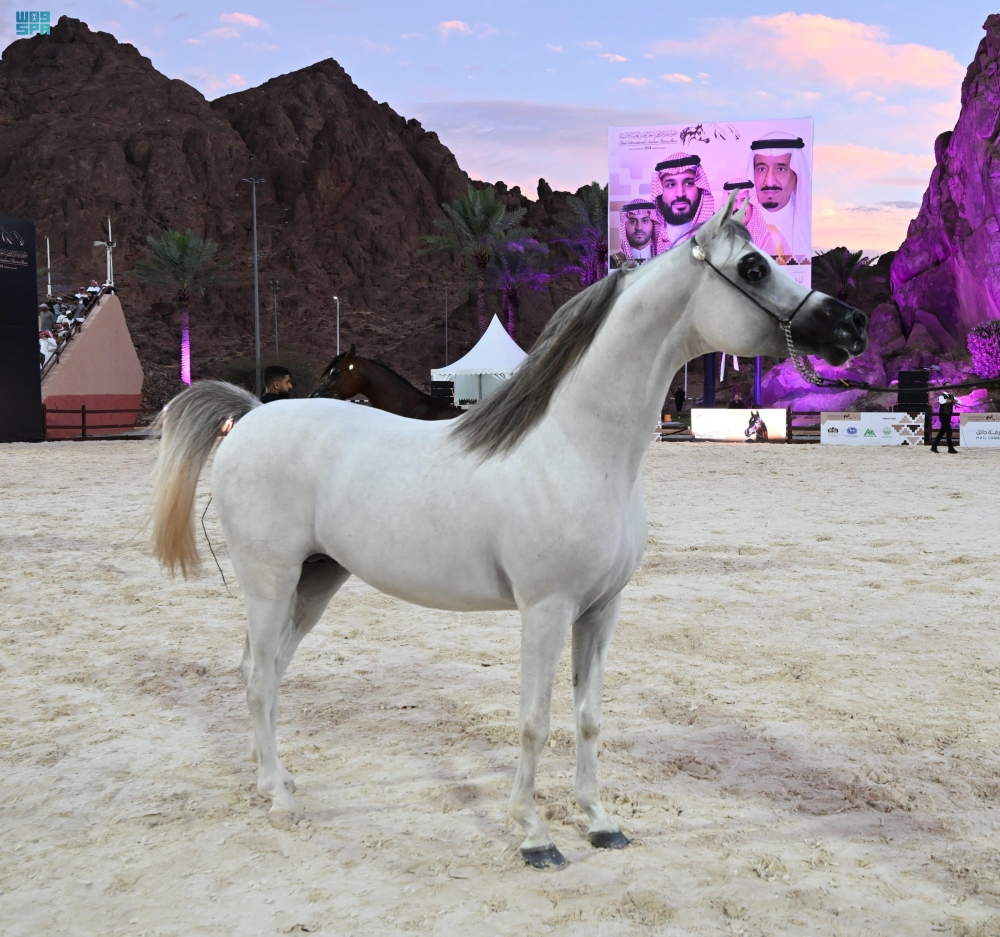
In modern times, the horse has not lost its status; rather, it has acquired new dimensions. Equestrian sports, horse racing, and horse beauty contests have become among the most prominent sporting and cultural events in the Arab world, particularly in Saudi Arabia and the Gulf states. These events are not merely athletic competitions, but celebrations of heritage that contribute to preserving purebred Arabian horses and introducing this great legacy to new generations. The global interest in the Arabian horse as one of the purest and most beautiful breeds gives this cultural symbol international influence and enhances the standing of Arab culture on the world stage.