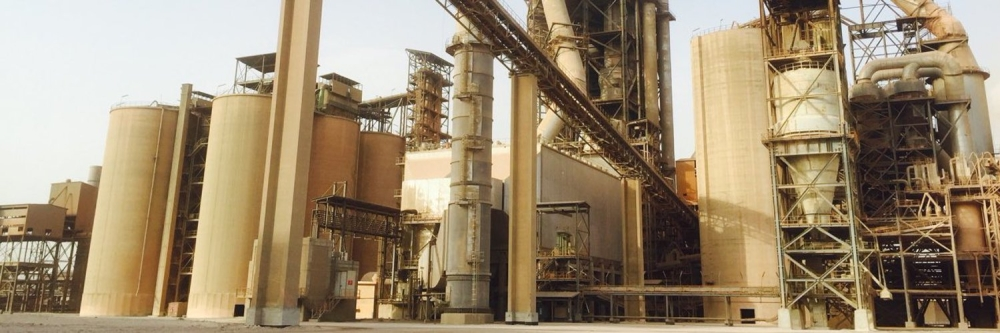
أعلنت شركة الأسمنت العربية «أسمنت العربية»، في بيان رسمي لها اليوم، عن تلقيها إشعاراً رسمياً من شركة الزيت العربية السعودية (أرامكو السعودية) يفيد بتعديل أسعار بيع منتجات الوقود المستخدمة في عمليات تصنيع الأسمنت، وذلك اعتباراً من الأول من يناير لعام 2026م. وتأتي هذه الخطوة في إطار التغيرات المستمرة في مشهد الطاقة الصناعية بالمملكة.
وأوضحت الشركة في بيانها المنشور على موقع السوق المالية السعودية «تداول»، أن الدراسات الأولية للأثر المالي المترتب على هذا التعديل تشير إلى ارتفاع مقدر في تكلفة الإنتاج بنسبة تصل إلى حوالي 11%. وأكدت إدارة الشركة أنها لن تقف مكتوفة الأيدي أمام هذه المتغيرات، بل ستعمل خلال الفترة القادمة على تكثيف جهودها لبحث كافة السبل الممكنة لتقليل الأثر المالي لهذا التعديل على النتائج المالية للشركة، بما يضمن الحفاظ على كفاءة العمليات التشغيلية وتنافسية الشركة في السوق.
سياق إصلاحات الطاقة في المملكة
يأتي هذا الإشعار ضمن سياق أوسع يتعلق ببرنامج إصلاح أسعار منتجات الطاقة في المملكة العربية السعودية، والذي يهدف إلى مراجعة أسعار الطاقة تدريجياً لتتوافق مع الأسعار المرجعية العالمية. وتعد هذه الخطوات جزءاً لا يتجزأ من رؤية المملكة 2030، التي تسعى إلى رفع كفاءة استهلاك الطاقة، وتعزيز الاستدامة المالية، وإعادة توجيه الدعم الحكومي لمستحقيه، بالإضافة إلى تحفيز القطاع الصناعي على تبني تقنيات أكثر كفاءة في استهلاك الوقود.
التأثير على قطاع الأسمنت والصناعة
يعتبر قطاع الأسمنت من أكثر القطاعات الصناعية استهلاكاً للطاقة، حيث يمثل الوقود جزءاً كبيراً من التكاليف التشغيلية للمصانع. وبالتالي، فإن أي تعديل في أسعار اللقيم أو الوقود ينعكس بشكل مباشر وملموس على هوامش الربحية لشركات الأسمنت. ومن المتوقع أن يدفع هذا القرار الشركات العاملة في القطاع إلى تسريع خططها الاستراتيجية نحو التحول الطاقي، والبحث عن بدائل للوقود التقليدي، مثل الاعتماد على الطاقة المتجددة أو الوقود البديل المشتق من النفايات، لتقليل الاعتماد الكلي على الوقود الأحفوري وخفض التكاليف على المدى الطويل.
التداعيات الاقتصادية المتوقعة
على الصعيد الاقتصادي، قد تؤدي زيادة تكاليف الإنتاج في مصانع الأسمنت إلى ضغوط سعرية في سوق مواد البناء، مما قد ينعكس بدوره على تكلفة المشاريع الإنشائية والعقارية. ومع ذلك، يرى المحللون أن هذه الإصلاحات ضرورية لتعزيز الكفاءة الاقتصادية للمملكة على المدى الطويل، حيث تدفع الشركات نحو الابتكار التشغيلي وتحسين سلاسل الإمداد لامتصاص الزيادات في التكلفة بدلاً من تمريرها بالكامل للمستهلك النهائي. وتظل قدرة «أسمنت العربية» وغيرها من الشركات على التكيف مع هذه المتغيرات عاملاً حاسماً في تحديد أدائها المالي وموقعها السوقي في السنوات المقبلة.