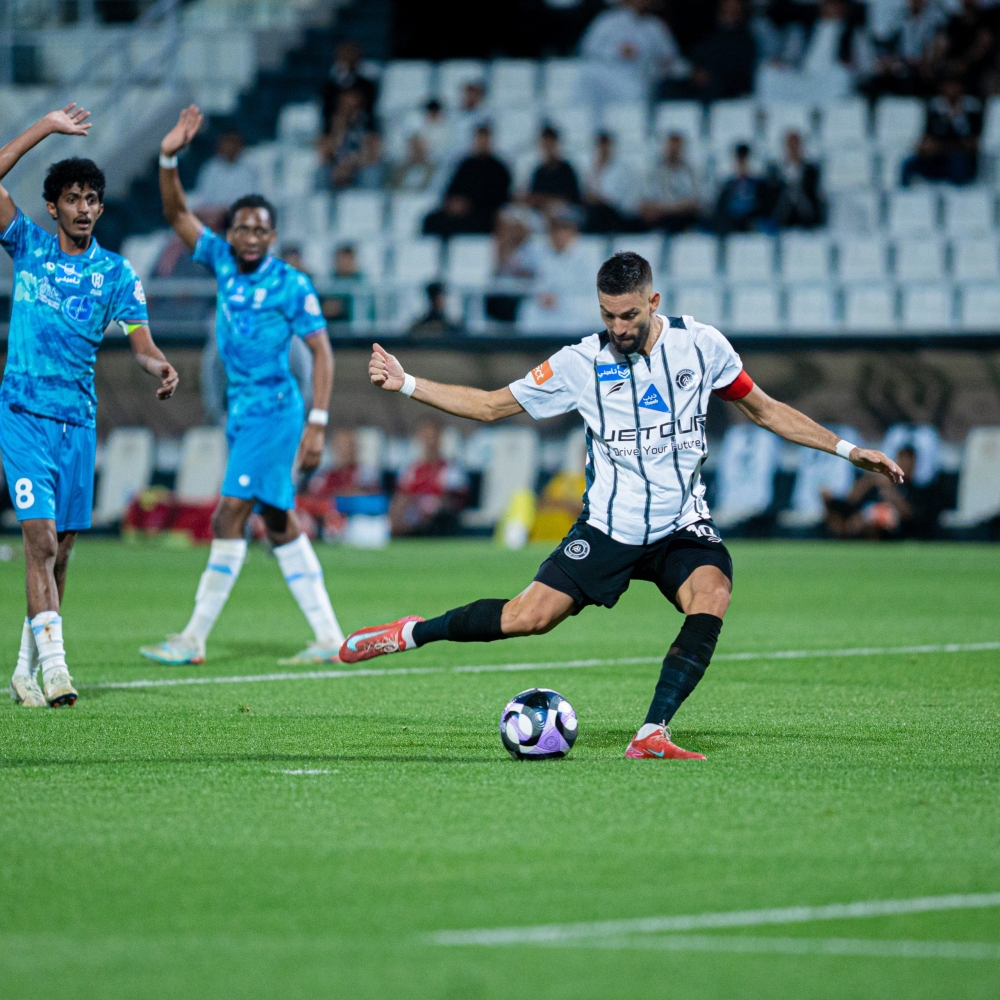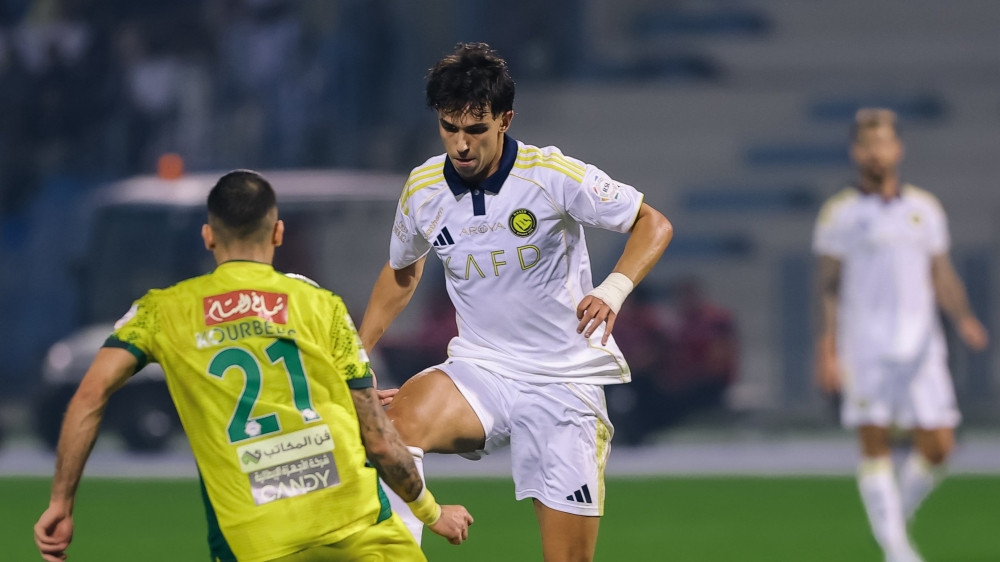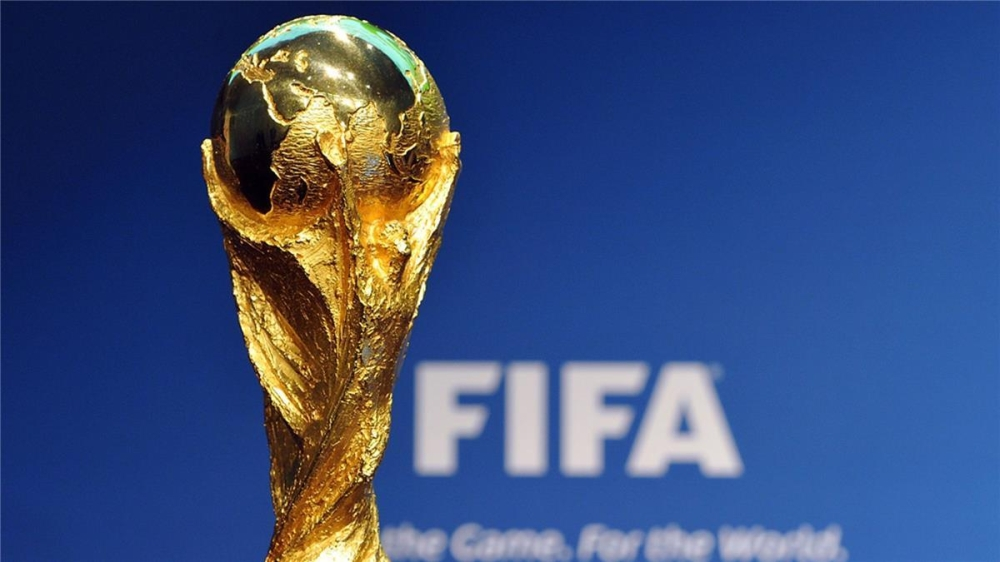
The eyes of football fans around the world, and Arab fans in particular, are turned towards the upcoming World Cup. The 2026 , to be co-hosted by the United States, Canada, and Mexico, will witness an exceptional and unprecedented event in the history of Arab football. Seven Arab national teams have secured their places in the expanded edition, which will feature 48 teams for the first time: Morocco, Algeria, Tunisia, Egypt, Saudi Arabia, Qatar, and Jordan.
A new era thanks to the expanded World Cup system
This record Arab presence is a direct result of FIFA's decision to increase the number of participating teams, granting Africa and Asia additional slots, which Arab teams have capitalized on to strengthen their presence. This development reflects the recent leap in technical skill and infrastructure development in Arab sports, inspired by the historic achievement of the Moroccan national team in the 2022 Qatar World Cup, reaching the semi-finals, as well as Saudi Arabia's historic victory over Argentina in the same tournament.
Washington's draw puts Arabs to tough tests
The draw, held in Washington, D.C., resulted in the Arab teams being placed in diverse groups, pitting them against global football giants from the very first round. Perhaps the most notable aspect of the draw was the placement of Algeria and Jordan in Group 10, setting up an all-Arab derby.
The most anticipated matchup: Clash of the Titans
The Arab audience is looking forward to a series of matches that are unparalleled in terms of excitement and competitiveness:
- Morocco vs. Brazil (Group C): The Atlas Lions enter this match not just as participants, but as the fourth-place finishers in the previous World Cup, facing the Seleção, the most decorated team in the tournament's history. This match promises to be a display of skill and fierce competition.
- Saudi Arabia vs. Spain (Group H): The Green Falcons begin their campaign with a fiery encounter against the Spanish Matadors. Saudi fans are hoping for a repeat of the Lusail 2022 scenario, aiming for a performance befitting the Saudi league's global development.
- Algeria vs. Argentina (Group 10): The "Desert Warriors" return to the forefront with a high-caliber match against the defending champions, in a real test of the Algerian defense's strength against the sweeping Argentine attack.
- Egypt vs Belgium (Group G): Mohamed Salah and his teammates lead the "Pharaohs" in a complex tactical encounter against the star-studded Belgian team, a pivotal match to determine Egypt's chances of advancing.
- Tunisia vs. the Netherlands (Group F): The "Eagles of Carthage" face the Dutch Oranje in a match that requires high tactical discipline to stop the Orange offensive force.
Crucial clashes and an anticipated Arab derby
Aside from the clashes with the big teams, the tournament holds other crucial encounters:
- Algeria and Jordan: The only Arab derby in the group stage, a match open to all possibilities, and guarantees a possible Arab presence from this group in the knockout rounds.
- Egypt and Iran: A football summit that combines the North African school and the Asian power, and these encounters are often characterized by high physical competitiveness.
- Qatar and Canada: The Qatari national team faces one of the tournament's hosts, which makes the task more difficult in front of the opposing fans, as Qatar seeks to erase the effects of its 2022 participation.
- Morocco and Scotland & Saudi Arabia and Uruguay: Key matches that could determine the second qualifying spot if the big teams falter.
The participation of 7 Arab teams in the 2026 World Cup is not just a number, but a golden opportunity to confirm that Arab football has become a force to be reckoned with in the international equation, and is capable of competing with the big teams on their home turf.