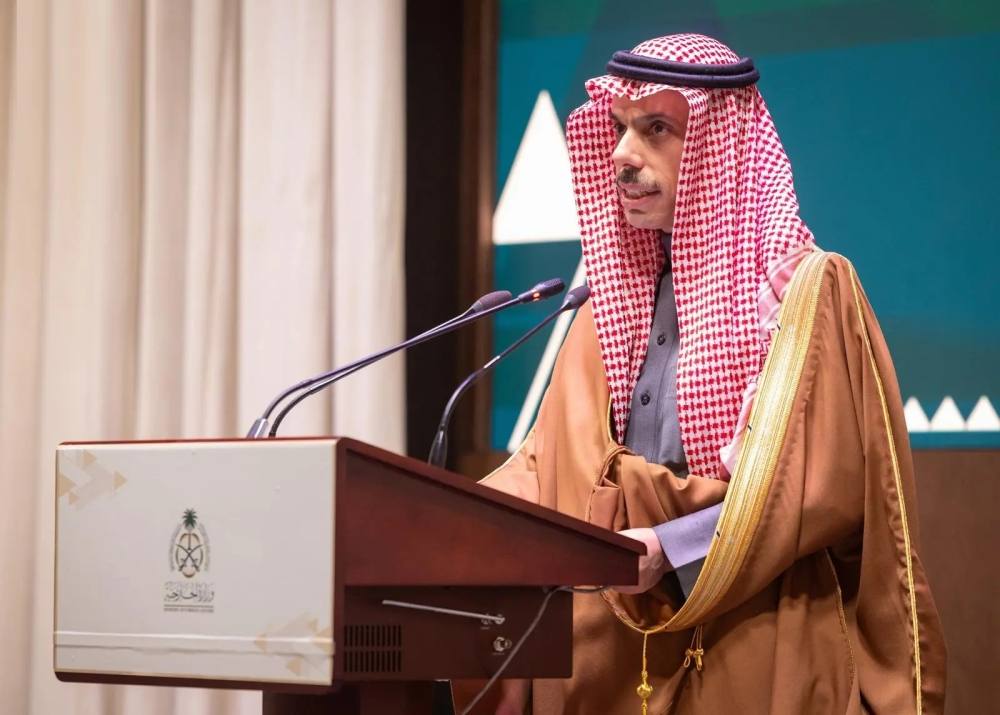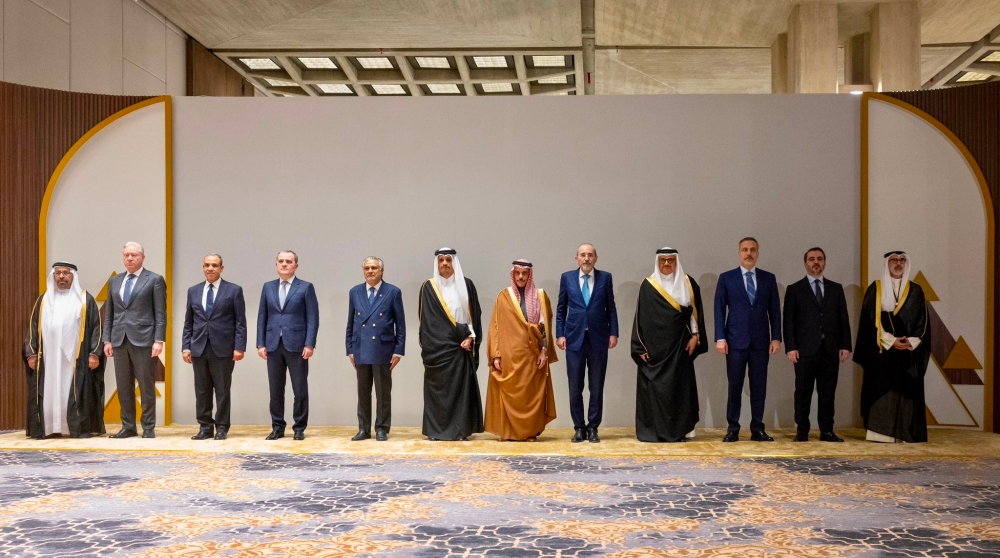
The Saudi capital witnessed a significant diplomatic event: the Arab-Islamic meeting in Riyadh, with broad participation from the foreign ministers of Azerbaijan, Bahrain, Egypt, Jordan, Kuwait, Lebanon, Pakistan, Qatar, Saudi Arabia, Syria, Turkey, and the United Arab Emirates. This consultative ministerial meeting took place on Wednesday, the 29th of Ramadan, 1447 AH (corresponding to March 18, 2026), to discuss the serious developments represented by Iran's repeated attacks on countries in the region.
The importance of the Arab-Islamic meeting in Riyadh in light of regional tensions
This diplomatic summit comes at a highly sensitive time, as the Arab-Islamic meeting in Riyadh represents a strategic turning point in addressing the successive crises in the Middle East. Historically, relations between many Arab states and Iran have witnessed numerous periods of tension, often linked to interference in internal affairs and support for armed groups outside the framework of the state. While countries in the region have repeatedly sought to prioritize dialogue, activate diplomatic channels, and uphold the principles of good neighborliness to ensure regional stability, the continued military escalation has necessitated a unified and firm international and regional stance to safeguard national security.
Widespread condemnation of targeting civilians and infrastructure
During the discussions, the participants reviewed the series of attacks targeting the Gulf Cooperation Council (GCC) countries, Jordan, Azerbaijan, and Turkey. They expressed their strong condemnation of these deliberate attacks, which were carried out using ballistic missiles and drones. These attacks dangerously targeted residential areas and vital civilian infrastructure, including oil facilities, desalination plants, airports, and diplomatic missions. The attendees affirmed that these acts cannot be justified under any pretext, emphasizing the inherent right of states to self-defense in accordance with Article 51 of the Charter of the United Nations.
#Riyadh | Joint statement issued by the consultative ministerial meeting of foreign ministers of a group of Arab and Islamic countries regarding Iranian aggression. https://t.co/PlRisi0SVG pic.twitter.com/cp6CCHndHN
— Ministry of Foreign Affairs (@KSAMOFA) March 19, 2026
The expected impact of the decisions on the regional and international landscapes
This diplomatic consensus carries profound strategic dimensions that extend beyond local borders. Regionally, joint coordination strengthens the ability of affected countries to protect their resources and their people. Internationally, this unified stance places the international community before its responsibilities to maintain peace and security. The ministers called on Iran to comply with Security Council Resolution 2817 (2026) and to immediately cease all attacks. They also warned against the dangers of any actions aimed at closing or obstructing international navigation in the Strait of Hormuz or threatening maritime security in the Bab el-Mandeb Strait, waterways whose stability is vital to the global economy and the flow of energy supplies.
The Foreign Minister, in a press conference on the sidelines of the ministerial meeting in #Riyadh : We reserve the right to respond to Iranian attacks #today
For more: https://t.co/KXkELrFix1 pic.twitter.com/w6kRgTUZce
— Al-Youm Newspaper (@alyaum) March 19, 2026
The future of regional relations and a firm stance towards Lebanon
Regarding the future of relations with Tehran, the final statement clarified that any rapprochement is contingent upon respect for the sovereignty of states, non-interference in their internal affairs, and a halt to the support, funding, and arming of affiliated militias that serve objectives contrary to the interests of these states. In the context of comprehensive regional security, the participants did not overlook the situation in Lebanon, emphasizing their support for its security, stability, and territorial integrity, while stressing the necessity of confining weapons to the Lebanese state. The participants also strongly condemned Israel's aggression against Lebanon and its expansionist policies. The delegations concluded by affirming their commitment to continued intensive consultations to formulate common positions and take legitimate measures to stop any further aggression.