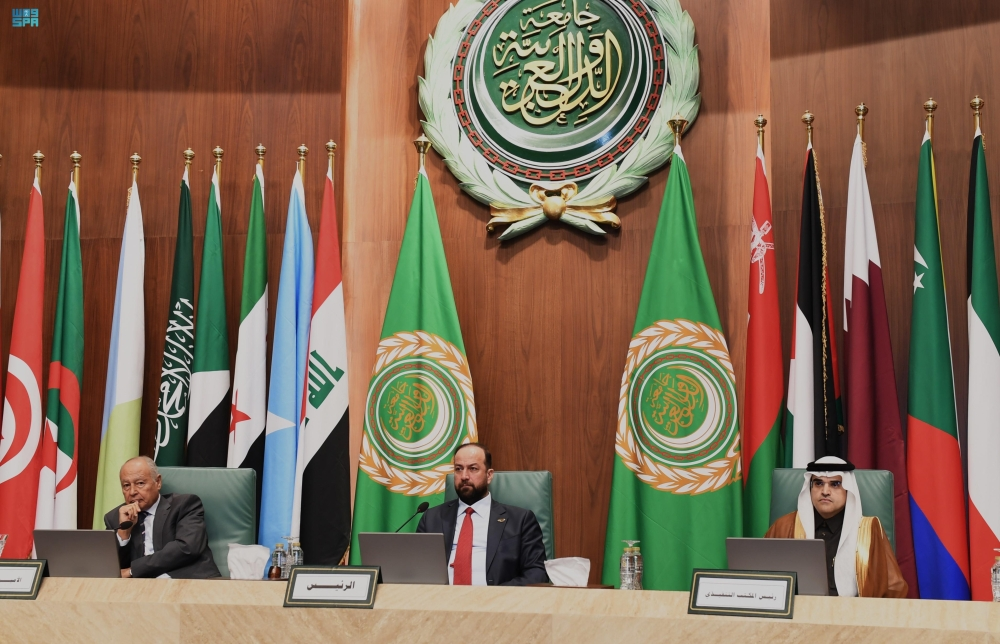
انطلقت في القاهرة، اليوم، أعمال الدورة الخامسة والخمسين لمجلس وزراء الإعلام العرب، برئاسة وزير الإعلام السوري حمزة المصطفى، وبحضور الأمين العام لجامعة الدول العربية أحمد أبو الغيط، ومشاركة وفود رفيعة المستوى من الدول العربية، بما في ذلك وفد من المملكة العربية السعودية التي تترأس المكتب التنفيذي للمجلس. ويأتي هذا الاجتماع في توقيت حاسم، حيث تواجه المنطقة العربية تحديات متصاعدة على الصعيدين الإعلامي والسياسي، مما يضع على عاتق المجلس مسؤولية تنسيق الجهود لبلورة خطاب إعلامي عربي موحد ومؤثر.
السياق العام وأهمية المجلس
يُعد مجلس وزراء الإعلام العرب أحد أهم الأجهزة الوزارية الفاعلة تحت مظلة جامعة الدول العربية، حيث تأسس بهدف تعزيز التعاون وتنسيق السياسات الإعلامية بين الدول الأعضاء. وتاريخيًا، لعب المجلس دورًا محوريًا في رسم ملامح الاستراتيجية الإعلامية العربية، خاصة في أوقات الأزمات، سعيًا لتقديم رؤية عربية مشتركة للقضايا المصيرية والدفاع عن المصالح العربية على الساحة الدولية. وتكتسب الدورة الحالية أهمية خاصة نظرًا لتزامنها مع تطورات متسارعة، أبرزها العدوان الإسرائيلي على قطاع غزة والحرب الإعلامية المصاحبة له، بالإضافة إلى الثورة الرقمية وما تفرضه من تحديات تتعلق بانتشار الأخبار المضللة وخطاب الكراهية.
القضية الفلسطينية في قلب النقاشات
تصدرت القضية الفلسطينية جدول أعمال الدورة، حيث أكد المتحدثون على الدور المحوري للإعلام العربي في فضح الممارسات الإسرائيلية ونقل معاناة الشعب الفلسطيني للعالم. وفي كلمته الافتتاحية، وصف وزير الإعلام السوري، حمزة المصطفى، غزة بأنها “جرح عميق في الضمير الإنساني والعربي”، مشددًا على أن الإعلام العربي يجب أن يكون رأس حربة في الدفاع عن الحقوق المشروعة للشعب الفلسطيني. من جانبه، دعا الأمين العام أحمد أبو الغيط إلى ضرورة التصدي للسردية الإسرائيلية المضللة عبر مخاطبة العالم بلغاته المختلفة وتقديم الحقائق بشكل مهني ومؤثر، وتفعيل خطة التحرك الإعلامي العربي في الخارج لمواجهة الدعاية المضادة.
مواجهة التحديات الرقمية وتكريس المصداقية
شكلت التحديات التي يفرضها العصر الرقمي محورًا رئيسيًا آخر في المناقشات. وأشار الوزير السوري إلى أن الفرص التي تتيحها التكنولوجيا الرقمية يقابلها مخاطر تتطلب “موقفًا عربيًا موحدًا” لحماية المجتمعات من المحتوى المضلل والمتطرف. وفي هذا السياق، برزت أهمية “ميثاق الشرف الإعلامي العربي” كأداة ضرورية لتكريس قيم المصداقية والشفافية ومحاربة خطاب الكراهية. كما ناقش المجلس سبل توظيف تقنيات الذكاء الاصطناعي لخدمة الإعلام العربي، وتبادل الخبرات لتوطين المعرفة الرقمية والانتقال من مجرد استهلاك المحتوى إلى صناعته والتأثير فيه.
دور الإعلام في التنمية والأمن الجماعي
لم تقتصر المداولات على الجانب السياسي، بل امتدت لتشمل دور الإعلام كشريك أساسي في التنمية المستدامة. وأكد أحمد أبو الغيط على أهمية “الخريطة الإعلامية العربية للتنمية المستدامة 2030″، التي تمثل إطارًا لتوحيد الخطاب الإعلامي التنموي وإبراز الجهود الوطنية في مختلف المجالات. وفي السياق ذاته، شدد وزير الإعلام البحريني، رمزان بن عبدالله النعيمي، الذي سلم رئاسة الدورة، على أن الإعلام أصبح “عنصرًا أساسيًا في منظومة الأمن الجماعي وبناء الصورة الذهنية للدول العربية في الخارج”، داعيًا إلى أن يكون للعرب صوت واحد في مواجهة التحديات المشتركة.
ومثّل المملكة في الاجتماع وكيل وزارة الإعلام للعلاقات الإعلامية الدولية خالد بن عبدالقادر الغامدي، والمندوب الدائم لدى الجامعة العربية السفير عبدالعزيز بن عبدالله المطر، مما يعكس حرص المملكة على دعم العمل العربي المشترك في المجال الإعلامي. ومن المقرر أن يعتمد المجلس في ختام أعماله تشكيل مكتبه التنفيذي الجديد، بالإضافة إلى إصدار قرارات بشأن البنود المطروحة على جدول الأعمال.