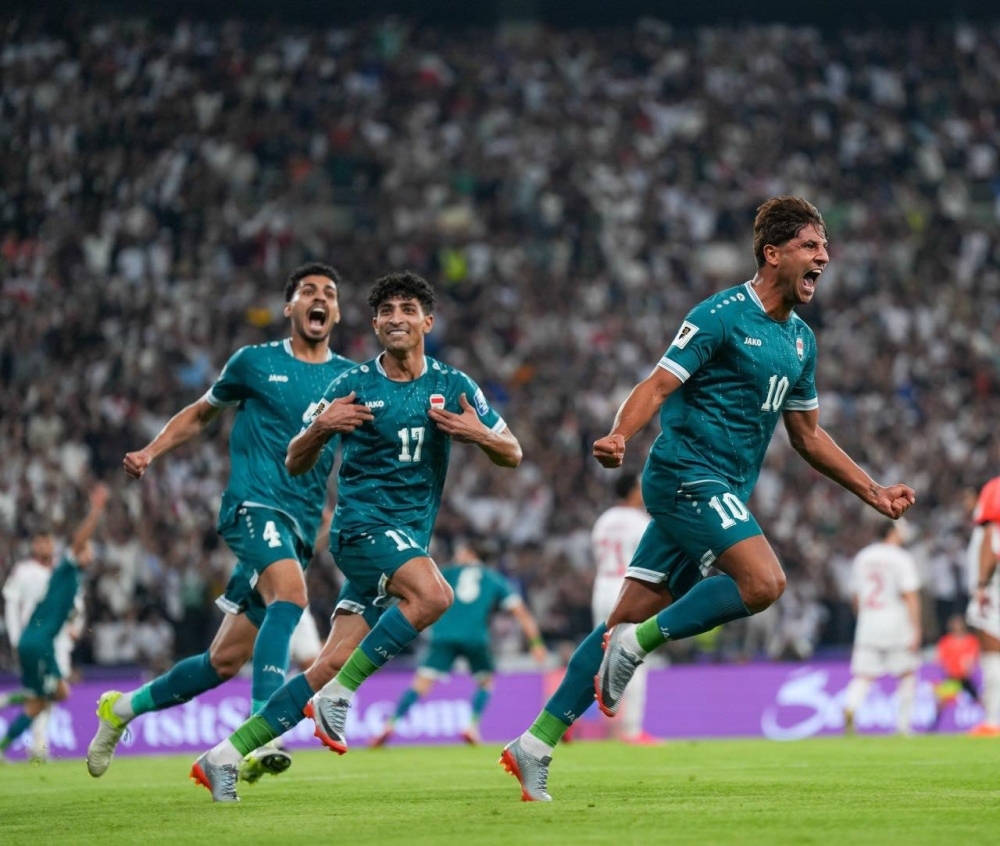
Initial expectations didn't suggest the Arab Cup would garner such a remarkable boost, especially given the decision by several major Arab teams like Tunisia, Morocco, Algeria, and Egypt to field their reserve squads due to the upcoming Africa Cup of Nations in Morocco. However, football once again proved its power to be the ultimate source of excitement, transforming Doha's winter nights into a vibrant sporting carnival that dispelled the chill with the intensity of the competition on the world-class pitches hosting the event.
Qatar's sports infrastructure was a crucial factor in the tournament's success, with stadiums like Al Bayt, Lusail, 974 Stadium, and Ahmed Bin Ali Stadium lending a world-class atmosphere to the Arab competitions. The success wasn't limited to organization; it extended to record-breaking attendance, nearing half a million spectators even before the group stage concluded, reflecting the passion of Arab fans and their desire to see their national teams compete in a spirit of camaraderie and high-level competition.
On a technical level, the tournament offered lessons in perseverance and fighting spirit. The match between Tunisia and Palestine was a prime example, where the Palestinian team, nicknamed "Al-Fida'i" (The Warriors), demonstrated remarkable resilience, staging a remarkable comeback after trailing by two goals to snatch a draw and prove that spirit and determination can overcome technical differences. Similarly, the Syrian national team displayed great competitiveness against Qatar, while the Jordanian team played attractive football and joined Saudi Arabia and Iraq in the quarterfinals. These results, including the qualification of Palestine and Syria, were not mere coincidences, but rather the product of hard work that surpassed the experience of even the most established teams.
Amidst these competitions, the Saudi national team emerged as one of the top contenders for the title, especially after securing qualification for the 2026 World Cup in the USA. This relieved the pressure on the players, allowing them to deliver a truly championship-caliber performance. This was clearly evident in their outstanding displays against Oman and Comoros, spearheaded by the resurgent star Salem Al-Dawsari.
Salem Al-Dawsari, nicknamed "The Tornado," has rediscovered his brilliance as Asia's best player, delivering performances reminiscent of his earlier triumphs. His return to form under coach Hervé Renard significantly boosts the Saudi national team's chances of winning the Arab Cup. Such an achievement would provide a tremendous morale boost for the coaching staff and players, and would be a gift to Saudi fans and the Saudi Arabian Football Federation, led by Yasser Al-Misehal, who is working tirelessly to prepare the team for the upcoming global tournament.
With the final round of matches approaching in the Iraq-Algeria and Egypt-UAE groups, all eyes are on the quarterfinals, which promise some heavyweight clashes. This edition of the Arab Cup has proven to be the strongest and most exciting yet, and with the brilliance of stars and the return of established giants, hopes remain pinned on the Saudi national team to continue their journey towards the title.
By: Abdulghani Al-Sharif