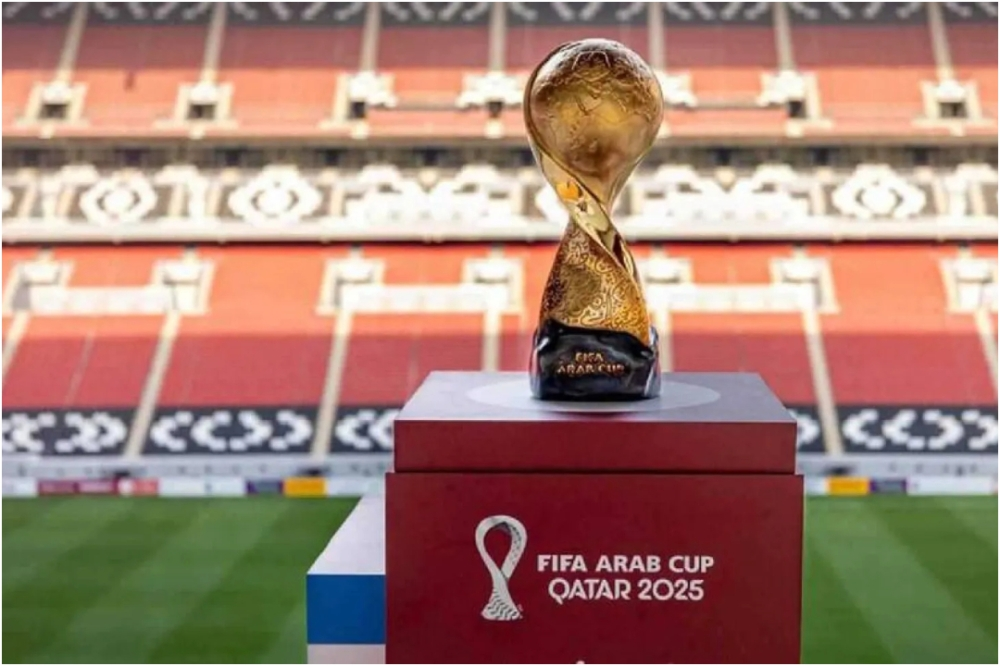
All eyes of football fans in the Arab world are on Qatari stadiums, as the second round of the 2025 Arab Cup kicks off tomorrow, Thursday, in Qatar, which is hosting the tournament from December 1st to 18th. This round is of paramount importance as it could see some teams secure early qualification for the quarter-finals, or complicate matters further, leaving the final round to come.
Crucial matchups and timings for the second round
The round of matches kicks off with a highly anticipated clash between Palestine and Tunisia at 5:30 PM, a match in which both sides will be looking to boost their chances. The excitement continues as Syria takes on hosts Qatar at 8:00 PM in a game that could significantly shape the group's qualification.
Historical context and importance of the championship
The 2025 edition of the Arab Cup builds upon the resounding success of the previous edition in Doha, which was held under the auspices of FIFA for the first time. This tournament has transformed from a regional competition into a world-class sporting event, bringing together the best Arab national teams in a World Cup-like atmosphere. The significance of this event lies in providing Arab teams with an ideal opportunity for strong competition and improved international rankings, in addition to the valuable prize money and the massive fan support that accompanies the matches.
FIFA regulations for determining qualification and disqualification
With the competition heating up and the levels of the teams narrowing, resorting to the tournament regulations becomes essential to resolve the tie between the teams. According to FIFA's official website, the top two teams from each group qualify directly for the next round. But what happens if two or more teams are tied on points? In this case, precise and specific criteria are applied to ensure fairness and determine which team deserves to qualify.
First step: Direct confrontations
In the event that the group stage ends and two or more teams are tied on points, the criteria relating to direct encounters between the teams concerned will be used first, in the following order:
- Direct points: Looking at the largest number of points achieved in matches between tied teams.
- Head-to-head goal difference: Calculating the best goal difference resulting from matches between the teams concerned.
- Goals scored: Looking at the highest number of goals scored by each team against teams tied with them on points.
Step Two: General Group Standards
If the tie persists after applying the head-to-head tiebreaker criteria, the results of the teams in the entire group are then considered:
- Overall goal difference: The advantage goes to the team with the highest goal difference across all group matches.
- Offensive power: The team that scored the most goals in all group matches.
Step three: The rule of fair play (sportsmanship)
If the tie persists in all of the above, the "behavioral points" criterion will be used based on the colored cards obtained by the players and officials, where points will be deducted as follows:
- Yellow card: One point deduction (-1).
- Indirect expulsion (two warnings): Deduction of three points (-3).
- Direct expulsion: Deduction of four points (-4).
- Yellow card then direct expulsion: Five points deduction (-5).
Final step: International ranking
If all previous criteria fail to break the tie, the FIFA Men's World Ranking is used as the tiebreaker. The team with the higher ranking according to the most recent published edition qualifies; if they are still tied, the rankings from the previous edition are used, and so on until a decision is reached. This highlights the importance of maintaining a high FIFA ranking throughout the year.