Crucial matches will shape the first group in the 2025 Arab Cup
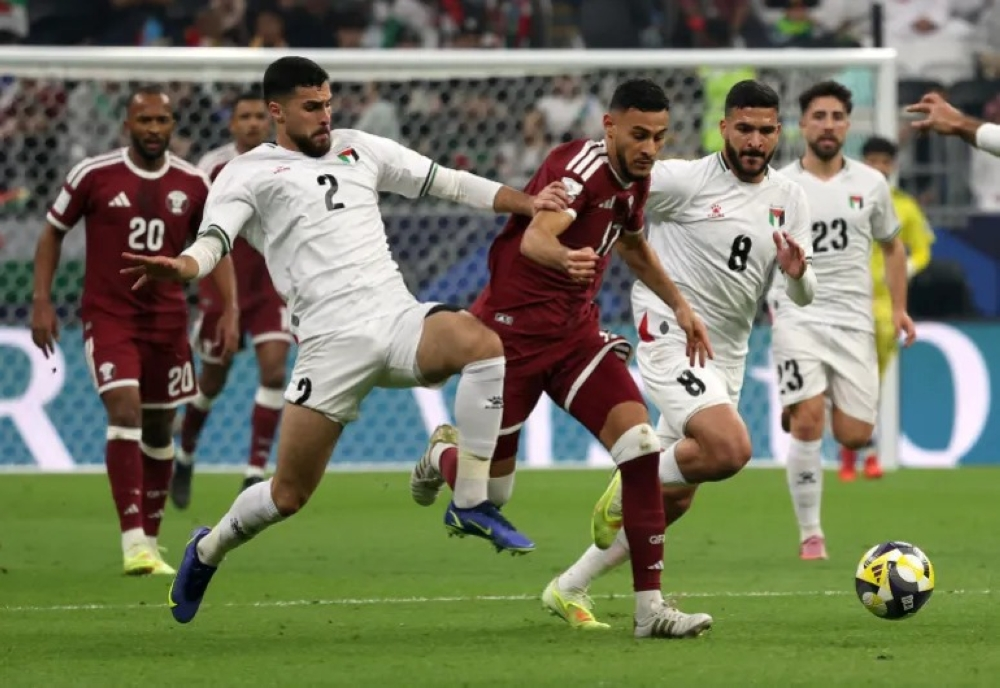
On Thursday, Arab football fans will be glued to their screens as the second round of Group A matches in the 2025 Arab Cup, hosted by Qatar, takes place. Two crucial encounters could significantly shape the quarter-final lineup. In the first match, the host nation, Qatar, will be looking to bounce back from their surprising opening defeat and get back on track when they face a resurgent Syria, fresh from their valuable victory over Tunisia. In the second match, Palestine will be aiming to continue their impressive run and achieve an unprecedented feat by qualifying, at the expense of a wounded Tunisia side that has no option but to win.
Background of the tournament and its regional importance
The Arab Cup, now held under the auspices of FIFA, returns to reaffirm its status as the most important national team football event in the region. Following the resounding success of the 2021 edition hosted by Qatar, which served as an ideal rehearsal for the 2022 World Cup, this year's tournament carries even greater significance. It not only represents a platform to compete for a prestigious title but also an opportunity for teams to test their strength, assert their regional dominance, and prepare new generations of players for upcoming continental and international competitions. For Qatar, the reigning Asian Cup champions for the past two editions, the tournament is a true test of their ability to maintain their position as a leading footballing force in the continent.
Qatar: A mission to avoid complex calculations
The Qatari national team enters the match under immense pressure. Their unexpected defeat to Palestine, conceding a last-minute goal, has placed them in a precarious position, requiring a victory to avoid complicated scenarios that could see them eliminated from the tournament early. Spanish coach Julen Lopetegui acknowledged that the loss was a "harsh lesson," blaming the players for failing to deliver the expected performance. He stated, "We lacked focus and effectiveness in attack, despite dominating possession." Lopetegui is relying on the abilities of his star player, Akram Afif, the reigning Asian Player of the Year, to lead the team to victory. He may also start Brazilian-born Edmilson Junior to bolster the attack, while the team will be without midfielder Assim Madibo due to injury.
Syria... with high morale and a realistic approach
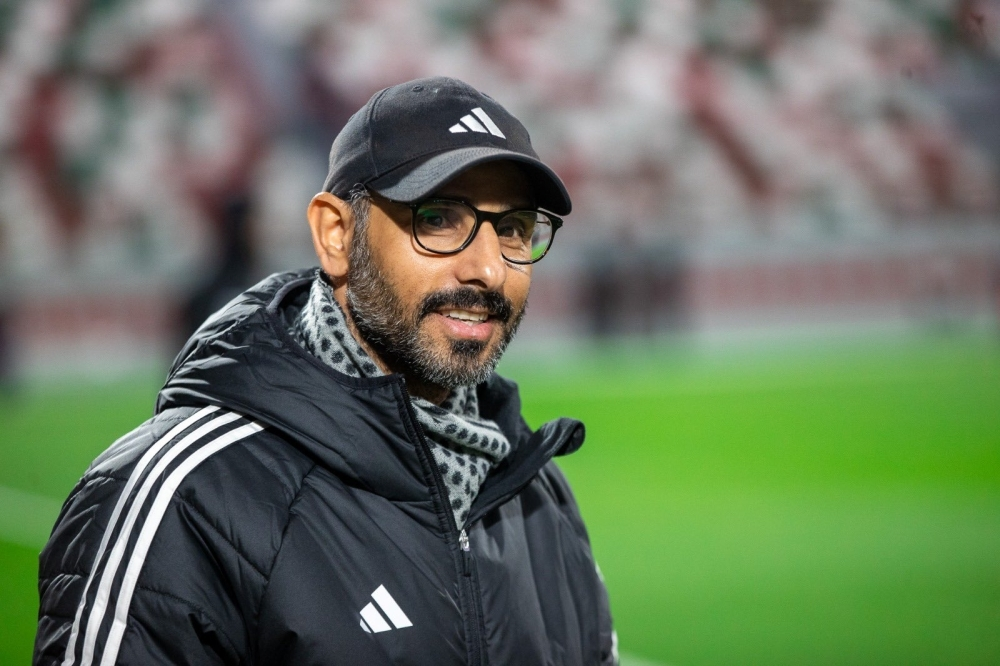
In stark contrast, the Syrian national team, nicknamed the "Eagles of Qasioun," enters the match with sky-high morale after their crucial 1-0 victory over Tunisia. Spanish coach José Lana leads his team with a pragmatic tactical approach that has proven effective, relying on a well-organized defense and swift counter-attacks. Lana affirmed that "pragmatism led us to an important win," indicating that his team will maintain the same high level of focus. Key players for the Syrian team include Omar Khribin, the Al Wahda (UAE) player who scored the winning goal against Tunisia with a superb free kick, and Mahmoud Al Mawas, who possesses considerable experience in Qatari football, giving Syria the weapons to threaten the home team's goal.
Palestine... on the verge of a historic achievement
In the other match, the Palestinian national team is riding high after their historic victory over Qatar. Led by coach Ihab Abu Jazar, the "Fida'i" (Palestinian national team) aims to capitalize on this immense morale boost to secure a second win against Tunisia, which could guarantee their qualification for the quarterfinals for the first time in their tournament history. Star player Mustafa Zidan stated, "We didn't come here just to participate; we came with great ambition." Palestine is relying on the high fighting spirit of its players and their desire to send a positive message through football, in addition to the technical abilities of stars like Oday Dabbagh and Tamer Seyam, who posed a significant threat to Qatar's goal.
Tunisia... to heal wounds and restore prestige
The Tunisian national team, nicknamed the "Eagles of Carthage," finds itself in a precarious position, needing a victory to keep its hopes alive. Coach Sami Trabelsi is under increasing pressure to improve the team's performance after the initial setback. Despite the significant absence of key players based in Europe, Trabelsi is relying on the experience of domestic league players, asserting that his team will overcome this slump. The match against Palestine will be a tough test of Tunisia's ability to handle the pressure and regain its reputation as one of the strongest teams in Africa and the Arab world.