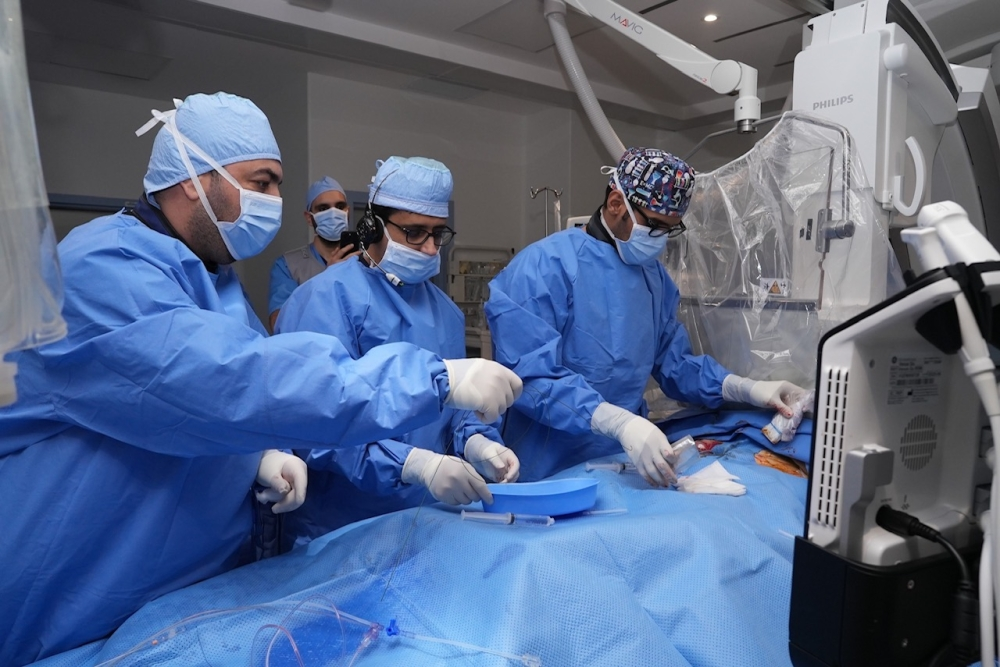
In a remarkable medical achievement highlighting the competence of Saudi healthcare professionals, King Abdullah Medical City in Mecca, a member of the Mecca Health Cluster, recorded another success story by saving the life of a 96-year-old woman. This achievement involved performing a delicate aortic valve replacement procedure using advanced cardiac catheterization techniques, thus avoiding the risks of traditional open surgery, which poses a significant threat to the lives of patients at such an advanced age.
Details of the precise medical intervention
The 90-year-old patient arrived at the medical center suffering from severe symptoms of aortic stenosis, a critical condition that typically leads to breathing difficulties and chest pain, and can be fatal if not treated promptly. Given the patient's advanced age and the sensitivity of her condition, the medical team decided against open-heart surgery due to its serious complications and lengthy recovery period.
Instead, the team opted for transcatheter aortic valve replacement (TAVI), a modern technique performed through the femoral artery without the need for open-chest surgery. The procedure was a complete success, thanks to God and the efforts of the specialized medical team, which included cardiac catheterization consultants Dr. Saad Al-Hassani, Dr. Abdullah Ghabashi, and Dr. Abdul Latif Ajimi. This non-surgical intervention contributed to stabilizing the patient's condition and accelerating her return to normal life.
The importance of cardiac catheterization for the elderly
Transcatheter aortic valve replacement (TAVR) is a revolution in interventional cardiology, becoming the preferred option for patients with high surgical risks, especially the elderly. This technique allows for:
- Significantly reduce the length of hospital stay.
- Relieving pain associated with surgical procedures.
- Accelerating the recovery period compared to open-heart surgery.
- Reducing the likelihood of infection and surgical complications.
Medical leadership and keeping pace with Vision 2030
This success reflects the significant development witnessed in the healthcare sector in the Kingdom of Saudi Arabia, particularly in Makkah, which receives millions of visitors annually, necessitating a high level of medical preparedness. This achievement aligns with the objectives of the healthcare transformation program within the Kingdom's Vision 2030, which aims to facilitate access to specialized healthcare services and enhance the quality of medical care.
King Abdullah Medical City is considered a leading specialized reference in the region, as its Heart Center includes the latest international equipment and qualified national staff capable of dealing with the most complex cases, thus reducing the need to refer patients abroad or to distant centers, and providing integrated health care according to the highest standards of quality and safety.