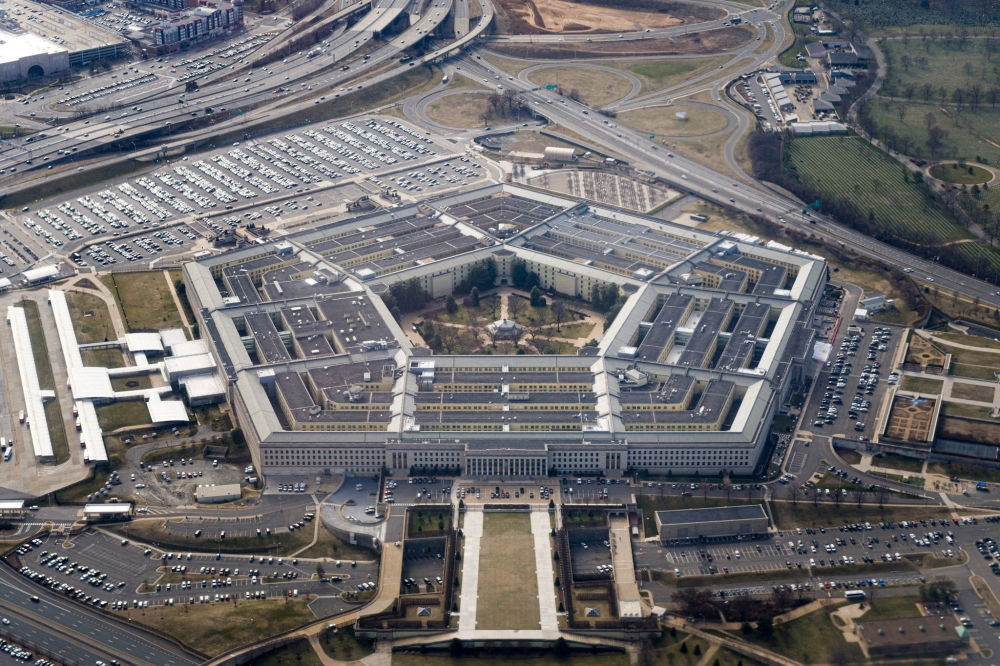
In a move reflecting growing tensions between Silicon Valley and the U.S. military, artificial intelligence startup Anthropic into a direct confrontation with the U.S. Department of Defense (Pentagon). The Pentagon has issued an ultimatum to the company, threatening to terminate existing military contracts if it does not comply with government requirements regarding the use of its advanced technologies, according to sources familiar with the matter who spoke to Bloomberg.
The dispute escalated during a meeting between Pentagon officials and Anthropic CEO Dario Amode, where government officials threatened to invoke the Defense Production Act to force the company to cooperate, or declare it a threat to the defense supply chain, which could lead to the cancellation of contracts worth approximately $200 million that the U.S. military had agreed to execute with the company.
Background to the conflict: AI ethics versus national security
Anthropic was founded by former OpenAI employees whose primary motivation was to focus on building safe and ethically responsible artificial intelligence systems. The company has a strict usage policy that categorically prohibits the use of its models in weapons development, autonomous targeting of combatants, or mass surveillance applications. This principled stance is at the heart of the current dispute with the Pentagon, which is increasingly seeking to integrate AI capabilities into its various operations to enhance its strategic advantage.
The importance of the event and its expected impact
This conflict is not an isolated incident, but rather part of a broader debate within the technology sector regarding the ethics of collaborating with militaries. This situation is reminiscent of the Project Maven incident in 2018, when thousands of Google employees protested the use of the company's technology to analyze drone footage for the Pentagon, ultimately leading Google to not renew the contract. Anthropic's stance reinforces this trend and puts pressure on other AI companies to clearly define their ethical positions.
Internationally, this confrontation comes at a time when global powers, particularly the United States and China, are racing to harness artificial intelligence for military purposes. Anthropic's decision may affect the pace at which the US military adopts these technologies, but it also opens the door to a necessary dialogue on establishing international regulations for the use of AI in warfare and preventing the development of "lethal autonomous weapons." The outcome of this conflict between Anthropic and the Pentagon will shape the future relationship between technology innovators and users in the defense sector and may set a precedent for how to balance national security requirements with ethical responsibility in the age of artificial intelligence.