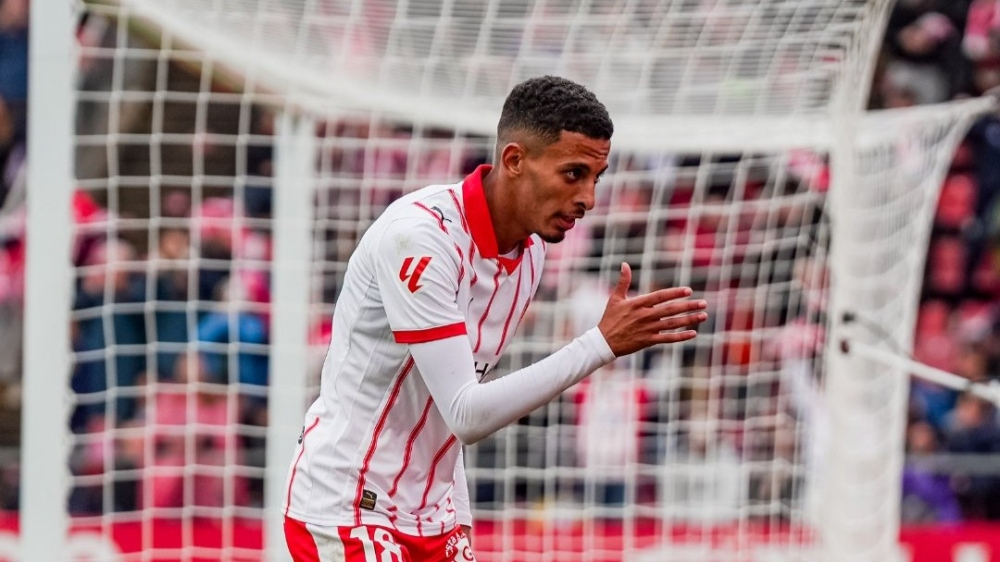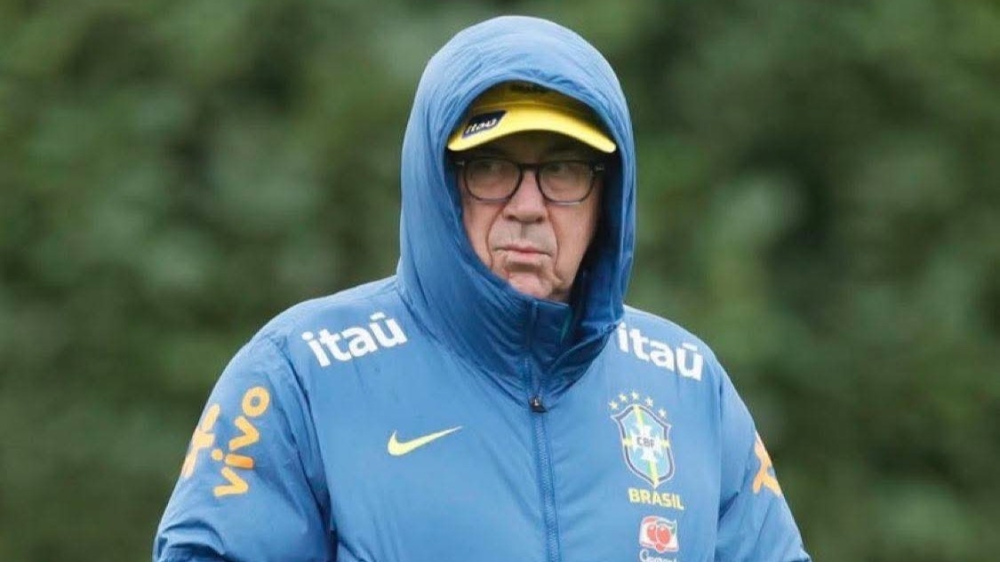
In statements reflecting the growing respect for Arab and African football on the world stage, Carlo Ancelotti, the Brazilian national team coach, affirmed that facing Morocco will be the toughest challenge for the Seleção in the group stage of the 2026 World Cup. These remarks came after the draw that placed Brazil in a group with Morocco, Scotland, and Haiti, foreshadowing some fiery early matches in the tournament.
Praise for the historic achievement of the Atlas Lions
Ancelotti based his analysis of the opponent's strength on the exceptional performance of the Atlas Lions at the 2022 Qatar World Cup. The Moroccan national team made history as the first Arab and African team to reach the semi-finals, eliminating established powers like Spain and Portugal along the way. Ancelotti told Sport TV, "Morocco delivered a fantastic performance at the last World Cup in 2022 in Qatar, reaching the semi-finals, while Brazil was eliminated in the quarter-finals." This statement highlights the realism with which the Italian coach approaches the development of Moroccan football, acknowledging that the traditional gap between established and emerging teams has narrowed.
Complex group calculations
The coach of the five-time world champions was not oblivious to the difficulty of the other opponents, noting that the Scottish national team possesses a very strong squad that relies on high fitness levels and a well-organized defense, making the match against them "extremely difficult." However, Ancelotti stressed the importance of topping the group to send a strong message to their opponents in the knockout stages, saying: "We must try to finish the group stage in first place. We must think about winning all three matches: first against Morocco, who are the toughest opponent, and then against the other two.".
Brazil and the dream of a sixth star
These statements come at a time when the Brazilian national team is under immense public pressure to reclaim the title that has eluded them since 2002. The match against Morocco is considered a true test of the Seleção's readiness, especially since the Moroccan team boasts a number of stars playing for top European clubs, making the encounter a high-caliber tactical and technical battle. Analysts believe that Ancelotti's focus on Morocco reflects his understanding that successfully overcoming this hurdle will boost the players' confidence and their ability to progress towards achieving the Brazilian dream.
In conclusion, this highly anticipated match in the 2026 World Cup represents more than just a group stage encounter; it is a clash between the established South American school and the renewed African ambition, in a tournament expected to be the most competitive in the history of football.