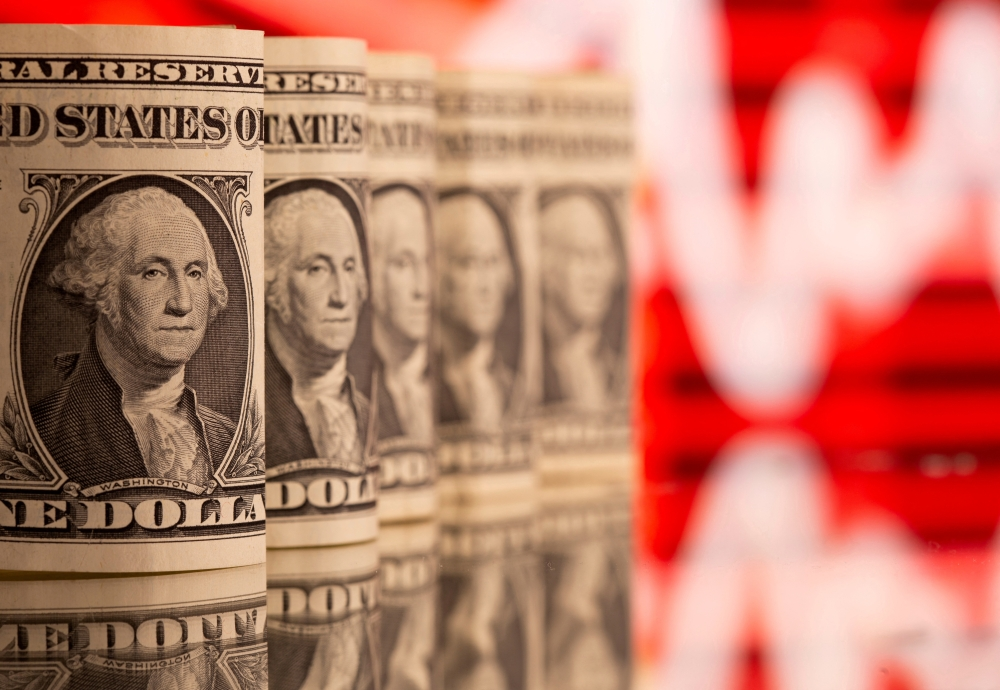
Aluminum prices in global markets have surged, reaching their highest levels in several years, in a rally that has swept across most base metals. This rise is driven by a combination of factors, most notably the sharp decline in the value of the US dollar, which accelerated following statements from the Trump administration indicating no concern about the weak currency, thus reversing the decades-long policy of a "strong dollar.".
General context: Dollar weakness as a key catalyst
The relationship between the dollar and commodity prices is historically inverse. Since most global commodities, including aluminum, oil, and copper, are priced in dollars, a decline in the dollar's value makes them cheaper for buyers using other currencies such as the euro or the Japanese yen. This decrease in real cost stimulates global demand, which in turn drives up dollar-denominated prices. Statements from Washington, interpreted by investors as a green light for further currency depreciation, have led to increased bets against the dollar, directly benefiting metals markets, with aluminum prices rising significantly on the London Metal Exchange.
The importance of the event and its economic impact
The surge in aluminum prices was not an isolated event, but rather part of a broader trend in industrial metals markets. Copper and zinc prices also saw similar increases, reflecting investor optimism about the strength of global economic growth at the time, which meant increased demand for raw materials from vital sectors such as construction, automotive, and manufacturing. Higher aluminum prices directly impact production costs across multiple industries, from aircraft structures and automotive parts to beverage cans and building materials, potentially translating into inflationary pressures in the medium term as these costs are passed on to the end consumer.
Supply factors: China's pivotal role
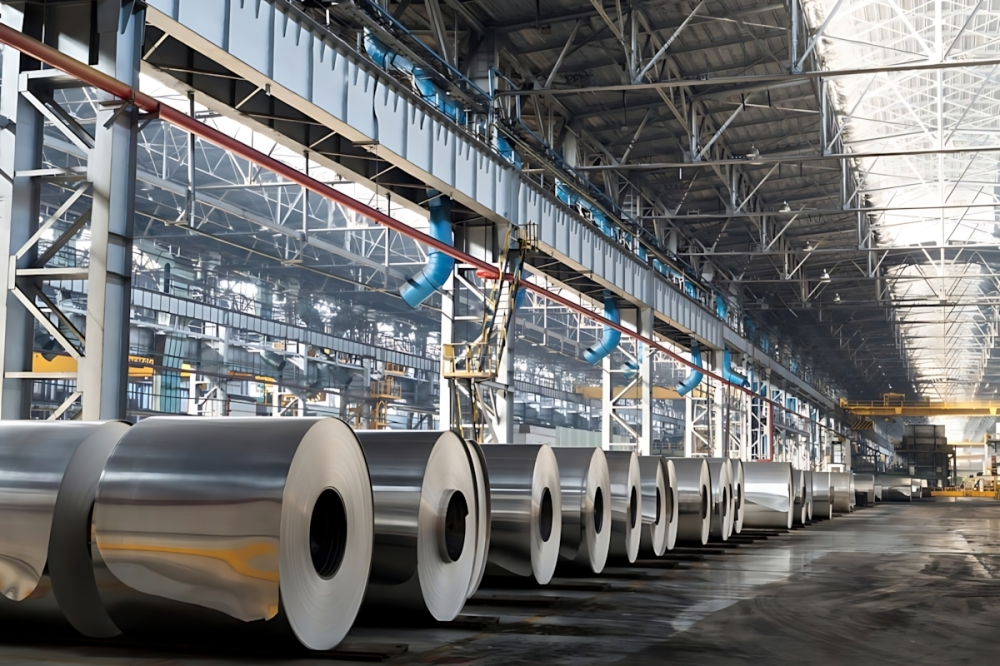
While the weak dollar boosted demand, aluminum markets were facing significant supply-side pressures, primarily from China. As the world's largest producer and consumer of aluminum, China had begun implementing sweeping structural reforms aimed at curbing overcapacity and combating environmental pollution. These measures included shutting down illegal or non-compliant aluminum smelters and imposing production restrictions during the winter months. These policies created genuine market concerns about a potential global supply shortage, providing strong underlying support for prices and making them more sensitive to any upward catalysts, such as a weakening dollar.
As a result of this combination of factors, major financial institutions like Goldman Sachs raised their price forecasts for the metal, indicating that the balance between supply and demand was tilted toward a deficit. Thus, statements from the US administration regarding the dollar provided the spark that ignited a market already poised for a rise, propelling aluminum to a peak not seen in years.