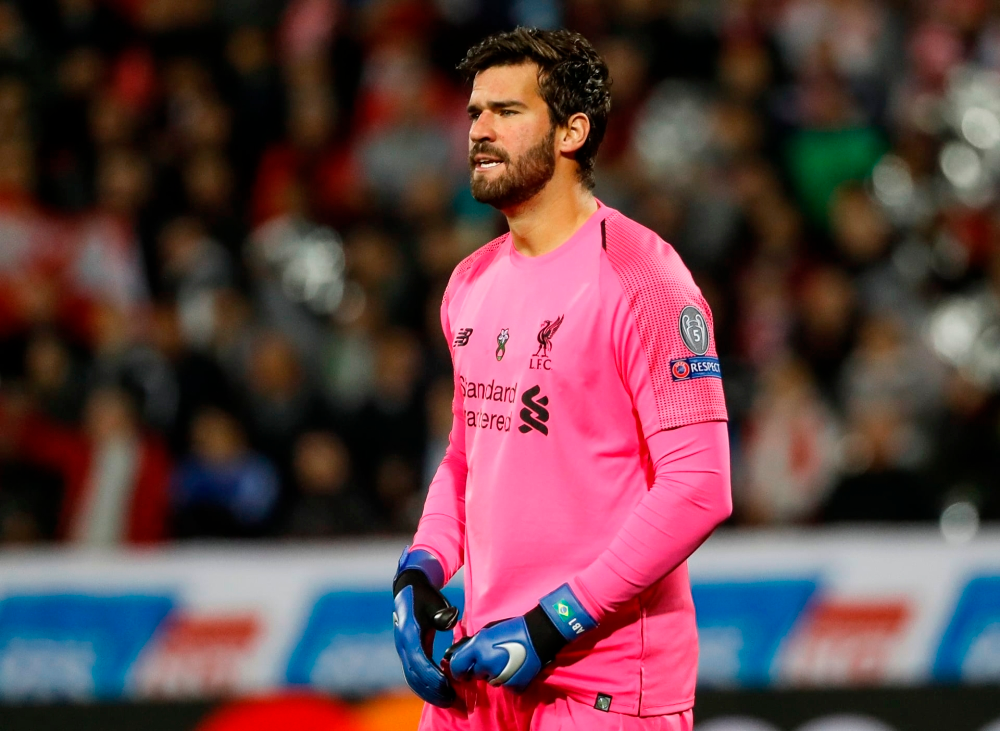
The Brazilian Football Confederation officially announced the absence of the national team's first-choice goalkeeper, Alisson Becker, due to a sudden health setback. Alisson's injury a significant blow to the coaching staff's plans, as it will prevent him from participating in the upcoming friendly matches against France and Croatia later this month. These matches are considered crucial preparation for the Brazilian team, which is striving to regain its form and deliver a performance worthy of its illustrious footballing history.
Details of Alisson Becker's injury and Liverpool's stance
Despite the official announcement of his exclusion, the Brazilian Football Confederation (CBF) has not provided any precise medical details regarding the nature of Alisson Becker's injury or the expected duration of his absence. However, reliable British press reports indicate that the 33-year-old goalkeeper experienced noticeable muscle discomfort during a recent training session. This injury comes at a particularly sensitive time, especially after Alisson's exceptional performances, brilliantly guarding the goal for his English club Liverpool and contributing to their resounding 4-0 victory over Turkish side Galatasaray in the second leg of the Champions League round of 16.
Samba options to compensate for the absence of the starting goalkeeper
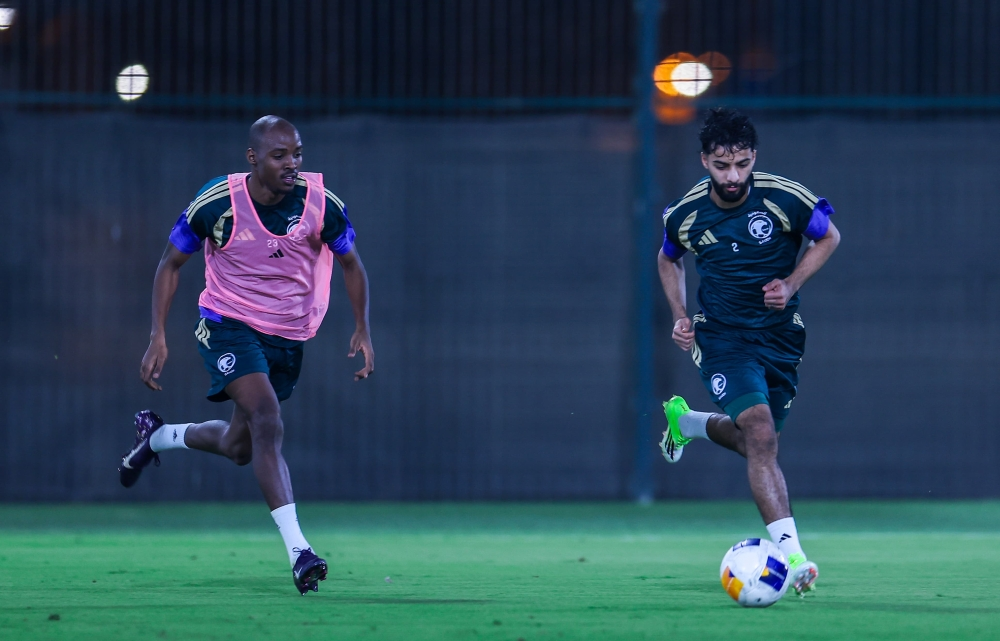
To address this emergency situation, the Brazilian national team's coaching staff moved quickly to fill the void left by the absence of an experienced goalkeeper like Alisson. According to an official statement from the federation, young goalkeeper Hugo Souza, who plays for Corinthians, was called up as the immediate replacement. The opening match against France, scheduled for March 26 in Boston, USA, is likely to see fierce competition for the starting position. The primary options are between Ederson, who boasts an impressive career, and Pinto, the talented goalkeeper currently playing for Al-Nassr in Saudi Arabia. This presents the coach with crucial tactical decisions regarding the selection of the most technically and physically fit goalkeepers.
The historical context of Brazil's matches against France and Croatia
The upcoming friendly matches carry a revenge and historical significance that cannot be ignored in the world of football. The encounter with the French national team brings back classic football memories, most notably the 1998 World Cup final and the 2006 World Cup quarter-final, where France has always posed a formidable obstacle to the Seleção's ambitions. The second match, which will pit the five-time world champions against Croatia in Orlando on March 31, carries immense psychological weight; Brazil seeks redemption against the team that dramatically eliminated them from the quarter-finals of the 2002 World Cup in Qatar, after a marathon match decided by penalties.
The impact of absences on Brazil's preparations for the 2026 World Cup
These friendly matches are more than just technical tests; they form the cornerstone of the Brazilian national team's preparations for the biggest football event of all: the 2026 FIFA World Cup, which will be hosted by the United States, Canada, and Mexico from June 11 to July 19. The absence of key players necessitates that the coaching staff experiment with new faces and alternative tactical plans to ensure the team's readiness. Brazilian fans eagerly anticipate seeing their national team return to the podium, overcoming all challenges and injuries, and reaffirming their status as one of the strongest teams in the history of football.