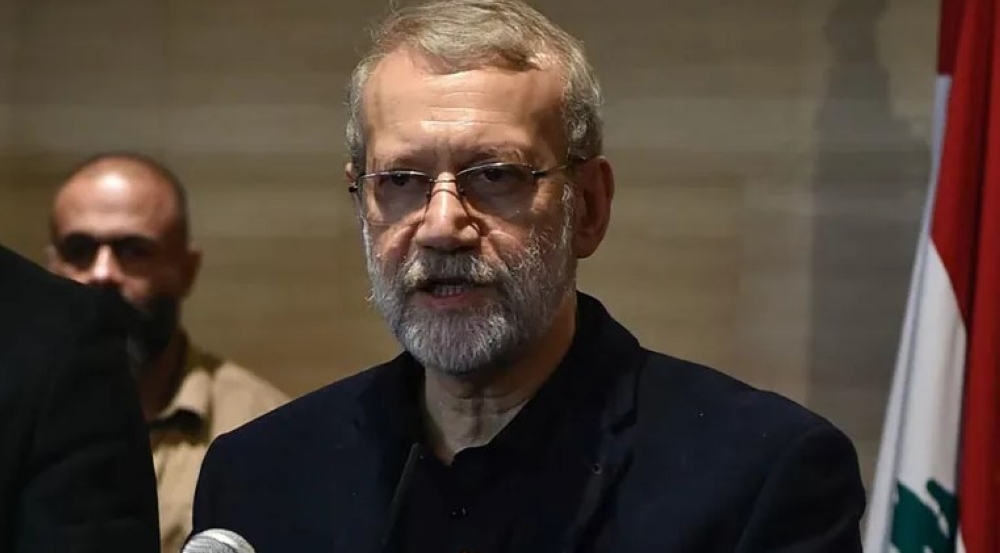
The Middle East is experiencing a sensitive period of geopolitical tensions, with attention constantly focused on the prominent leaders in Tehran. Amid these events, Ali Larijani's as a pivotal figure in the political and security landscape. As statements and media reports regarding the stability of the Iranian leadership intensify, it becomes crucial to understand the true dimensions of these developments, moving beyond the unverified rumors that often circulate during times of crisis and psychological warfare.
The historical context of the tensions and Ali Larijani's position within the regime
Ali Larijani is a veteran figure in Iranian politics, having held sensitive positions for many years, including Speaker of the Islamic Consultative Assembly (Parliament) and a prominent member of the Supreme National Security Council. To understand the current situation, it is necessary to consider the historical background of the ongoing conflict between Tehran on one side, and the United States and Israel on the other. This conflict, often described as a complex “shadow war,” encompasses sophisticated cyberattacks, crippling economic sanctions, and reciprocal targeting of vital interests in the region. In this delicate context, security and political figures play a crucial role in shaping deterrence strategies, managing crises, and guiding diplomatic negotiations to avert a full-blown escalation.
The regional and international impact of any changes in Iranian leadership
Any real change in the power structure, or even the mere circulation of reports about the absence of figures as influential as Ali Larijani or other senior leaders within the power hierarchy, would have widespread repercussions and profound consequences at both the regional and international levels. Domestically, such news would raise serious concerns about internal stability and the cohesion of governing institutions in the face of economic challenges. Regionally, neighboring countries would closely monitor any shifts that might lead to a change in Iranian foreign policy or affect its network of alliances in the Middle East. Internationally, these tensions would directly impact global energy markets and maritime traffic, making the stability of Tehran and the direction of its leadership a matter of global strategic importance that cannot be ignored.
The role of military and security institutions in maintaining stability
Alongside the political leadership, the Iranian structure relies heavily on the strength and cohesion of its military and security institutions, such as the Islamic Revolutionary Guard Corps (IRGC) and the Basij militia, led by prominent figures like Gholamreza Soleimani. These institutions serve as a primary safeguard for the regime against both external and internal threats. When reports or rumors circulate about attacks targeting these leaders, the military establishment, through its commanders and officials like Amir Hatami and others, quickly issues stern statements affirming the armed forces' readiness to deliver a decisive and devastating response to any aggression. This reflects the firm deterrence strategy adopted by the Iranian state to preserve its sovereignty.
In conclusion, the Iranian landscape remains complex and open to all possibilities and developments. Despite the proliferation of news reports, some of which may lack accuracy and reliability, concerning the fate of leading figures, one constant is that the current tensions necessitate a careful and objective analysis of events. Understanding Iran's internal dynamics and its international relations is the true key to anticipating the region's future, rather than being swayed by reports that may aim to sow discord during times of regional conflict and tension.