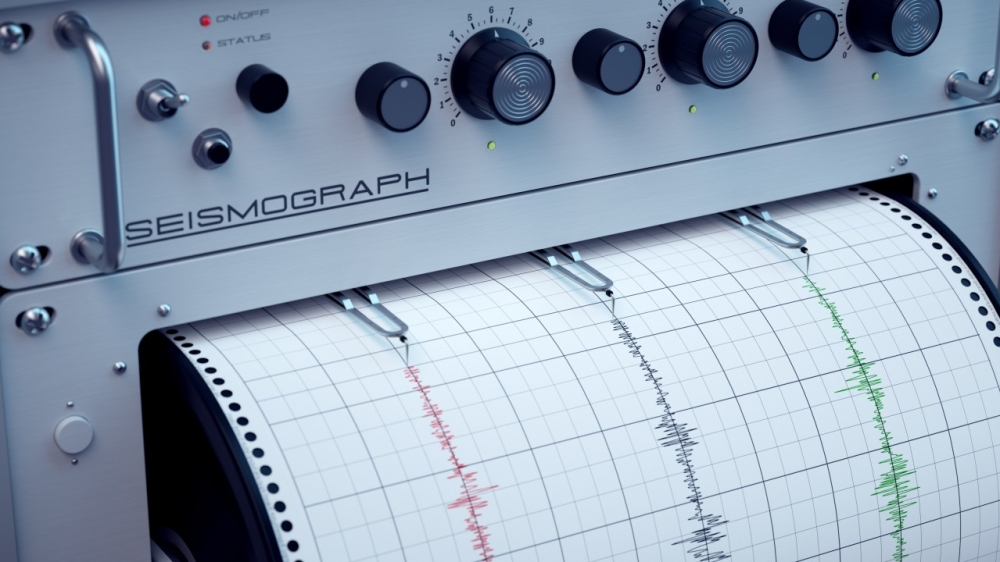
A magnitude 6.0 earthquake struck the Anchorage metropolitan area of Alaska on Thursday, local time, alarming residents in one of the most seismically active regions of the United States. According to the U.S. Geological Survey (USGS), the quake occurred at a depth of approximately 69 kilometers (40 miles), with its epicenter located 12 kilometers (6 miles) northwest of Sussitna, a town about 108 kilometers (67 miles) northwest of Anchorage. Despite the quake being widely felt, there were no immediate reports of major damage or injuries, and the U.S. Tsunami Warning System confirmed there was no threat of destructive waves.
Geological context: Alaska at the heart of the “Ring of Fire”
Alaska lies at the heart of the Pacific Ring of Fire, an arc-shaped region known for its intense volcanic and seismic activity. This activity is caused by tectonic plate movement, where the Pacific Plate constantly slides beneath the North American Plate in a geological process known as subduction. This immense friction between the two plates creates enormous pressure that is released suddenly as earthquakes. As a result, Alaska experiences thousands of tremors annually, most of which are minor and go unnoticed by residents, but it also regularly experiences powerful earthquakes like the one that struck recently.
A historical perspective: The memory of the Great 1964 earthquake
Alaska's modern history includes the memory of one of the most powerful earthquakes ever recorded, the Good Friday Earthquake of March 27, 1964. This 9.2 magnitude quake, the strongest in North American history and the second strongest globally, caused widespread devastation and a tsunami that claimed the lives of more than 130 people. This disaster marked a turning point in understanding seismic hazards and led to the development of stricter building standards and advanced early warning systems, which partly explains the state's ability today to withstand powerful tremors with relatively limited damage.
Local impact and preparedness culture
For the residents of Anchorage and the surrounding areas, earthquakes are a part of daily life. Historical experience and ongoing seismic activity have fostered a strong culture of preparedness and awareness. Residents are trained in how to react during tremors, and infrastructure, including buildings, bridges, and vital oil pipelines, is designed to withstand severe shaking. While no major damage was reported this time, such events serve as a true test of the effectiveness of emergency systems and a constant reminder of the need to adhere to safety standards and remain prepared to face nature and its power.