Strengthening international cooperation for a promising digital future
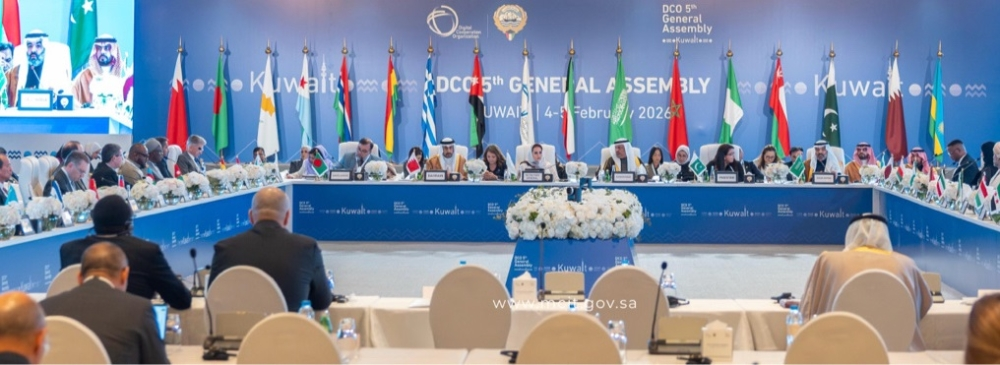
In a keynote address at the Digital Cooperation Organization (DCO) General Assembly, His Excellency the Saudi Minister of Communications and Information Technology, Engineer Abdullah bin Amer Al-Swaha, emphasized the urgent need to strengthen international cooperation to build an inclusive and reliable digital future for all. Al-Swaha affirmed that this future rests on three fundamental pillars: empowering young talent, harnessing the immense potential of advanced technologies such as artificial intelligence, and establishing a digital environment based on trust and transparency.
Digital Cooperation Organization: Background and Growing Importance
The Digital Cooperation Organization (DCO) was established in November 2020 at the initiative of the Kingdom of Saudi Arabia, with the aim of accelerating the inclusive growth of the digital economy and enabling its member states to achieve their digital transformation goals. Today, the organization comprises countries that collectively represent nearly 10% of the world's population and contribute approximately $3.6 trillion to the global economy, achieving growth rates exceeding the global average. This growing influence makes it a strategic platform for shaping global digital policies and promoting the free and secure flow of data and knowledge.
Praise for Kuwait's role and its high-quality initiatives
Minister Al-Swaha commended Kuwait's leading role during its presidency of the organization, highlighting the significant initiatives launched. These included programs to combat disinformation aimed at protecting the digital space, initiatives to enhance reliable data flows between countries, and the launch of a responsible artificial intelligence framework. These efforts are crucial for strengthening the reliability of the digital environment globally, thereby encouraging further investment and innovation.
Digital talent: the fuel of the new economy
His Excellency's speech highlighted the human capital possessed by the member states of the organization, which includes more than two million specialists in various technology fields. He noted that this focus on developing digital talent has, in recent years, resulted in the emergence of 16 billion-dollar companies (unicorns) and successful entrepreneurial models, reflecting the dynamism of the innovation ecosystem in the region. This vision aligns with the objectives of Saudi Vision 2030, which places human capital development at the heart of its strategy for economic diversification and building a sustainable future.
National achievements reflecting the future vision
Al-Sawah highlighted some of the Kingdom's national achievements as evidence of the success of its digital strategy. Among the most prominent were the contributions of Saudi researchers to Nobel Prize-winning research through the application of artificial intelligence solutions in chemistry, and the participation of astronaut Rayana Barnawi, the first Arab Muslim woman, in a scientific mission to the International Space Station to conduct advanced medical research. These achievements are not only a source of national pride but also a testament to the ability of local talent to compete and excel globally when empowered with the appropriate tools and infrastructure.
The minister concluded his speech by emphasizing that continued investment in advanced digital infrastructure and strengthening international partnerships are the way to ensure sustainable digital growth that benefits humanity and the global economy in the coming smart era.