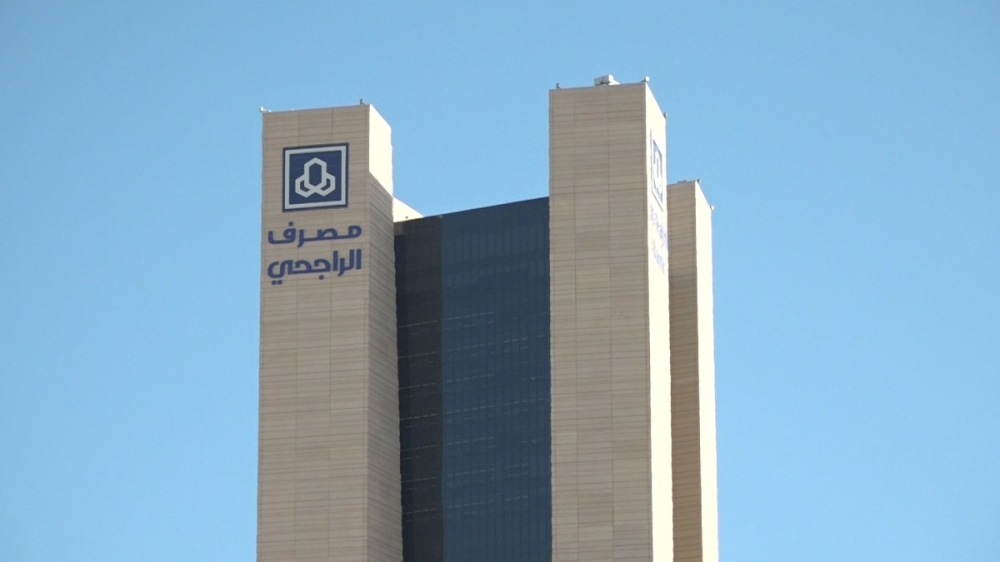
Al Rajhi Bank, one of the world’s largest Islamic banks, announced the successful completion of its Tier 1 Additional Capital (AT1) Sukuk issuance, raising US$1 billion. This issuance, part of its international Sukuk program, is classified as a “social” Sukuk, reflecting the bank’s growing commitment to sustainability and social responsibility in its financing operations.
According to the official statement issued by the bank on the Saudi Stock Exchange (Tadawul) website, the annual return on the sukuk was set at 6.15%, a rate reflecting international investors' confidence in the bank's financial strength and the overall robustness of the Saudi economy. The issuance, comprising 5,000 sukuk with a nominal value of $200,000 each, is scheduled for settlement on January 14.
Release details and refund conditions
The bank clarified that these sukuk are perpetual, meaning they do not have a fixed maturity date, but they are redeemable after five years from the issuance date. The prospectus also included specific conditions allowing the bank to redeem the sukuk under certain circumstances, thus providing the bank with flexibility in managing its capital structure and funding costs in accordance with market conditions and regulatory requirements.
Enhancing capital adequacy and supporting growth
This offering is of paramount strategic importance to Al Rajhi Bank, as the Tier 1 sukuk aims to strengthen the bank's capital base in accordance with Basel III requirements. This strengthening will enhance the bank's capacity to expand its lending and financing operations, which is vital given the increasing demand for credit in Saudi Arabia to finance major projects related to Vision 2030.
Economic context and market trends
This issuance comes at a time of significant activity in global and local debt markets, as major Saudi financial institutions turn to international markets to diversify their funding sources and attract foreign investment. Al Rajhi's success in raising this amount at a yield of 6.15% is a positive indicator of international investors' appetite for Saudi dollar-denominated assets, particularly given the strong credit ratings enjoyed by the Saudi banking sector.
Social dimension and sustainability
What distinguishes this offering is its classification as a "social sukuk," which aligns with the global trend towards sustainable finance (ESG). The proceeds from this type of sukuk are typically used to finance projects with a positive social impact, such as affordable housing, support for small and medium-sized enterprises (SMEs), or infrastructure projects that serve the community, thus reinforcing the bank's role as an active partner in sustainable national development.