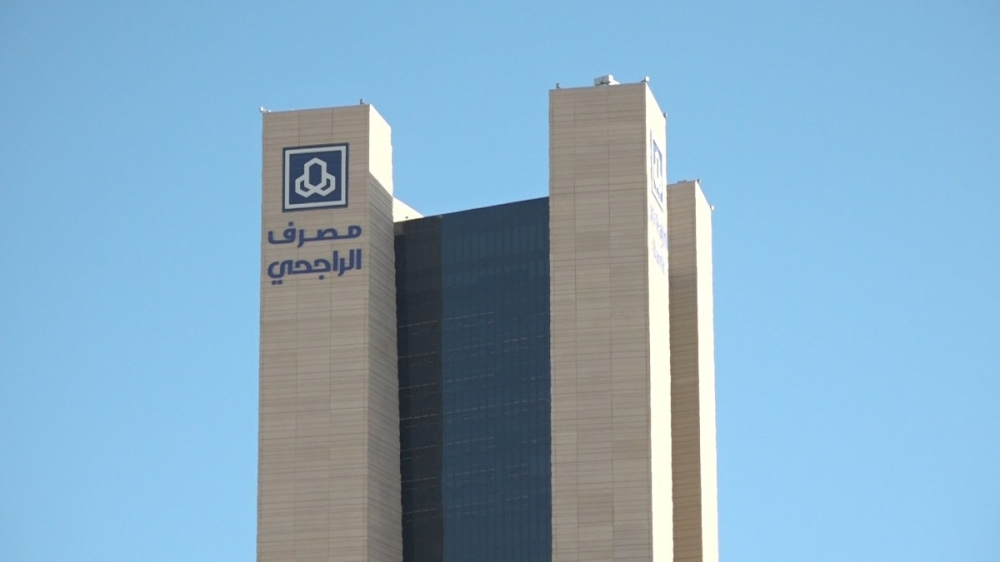
Al Rajhi Bank, one of the world’s largest Islamic banks by assets and market capitalization, has announced the launch of a new Tier 1 social-oriented, US dollar-denominated Additional Tier 1 capital issuance. This announcement is part of the bank’s international sukuk issuance program, a move aimed at strengthening its capital base and diversifying its funding sources.
According to the bank's statement on the Saudi Stock Exchange (Tadawul) website, the offering period began today, January 7, 2026, and will end tomorrow, Thursday, January 8, 2026. The bank explained that the final value of the issuance and the terms of the offering will be determined based on market conditions and investor demand, reflecting the bank's flexibility in dealing with global economic changes.
Release details and participating entities
These sukuk target qualified investors both within and outside the Kingdom of Saudi Arabia. To ensure the success of this international offering, Al Rajhi Bank appointed a strong consortium of global and regional banks and financial institutions to manage the subscription, including: Al Rajhi Capital, Goldman Sachs International, HSBC, Morgan Stanley, Standard Chartered Bank, Dubai Islamic Bank, Emirates NBD Capital, First Abu Dhabi Bank, Mashreq Bank, Nomura, and Warba Bank, in addition to appointing Aveen Bank as a co-manager.
Regarding the technical aspects of the offering, the bank indicated that the minimum subscription is US$200,000, with increments of US$1,000. These sukuk are perpetual, with the possibility of redemption by the bank after five years from the issuance date, or in certain other cases detailed in the offering document. The yield is subject to market conditions prevailing at the time of closing.
The economic context and the importance of the proposal
This offering is particularly significant given Al Rajhi Bank's leading position in the Saudi and regional banking sector. Issuing Tier 1 sukuk is a strategic financial instrument used by banks to bolster their core capital without directly impacting existing shareholders' equity (dilution), thereby enhancing capital adequacy in accordance with Basel III and Saudi Central Bank requirements.
Furthermore, classifying these instruments as "social sukuk" aligns with modern global trends toward sustainable and responsible (ESG) finance, reflecting the bank's commitment to supporting initiatives with a positive social impact. Accessing international markets and issuing dollar-denominated debt instruments also contributes to attracting foreign investment to the Saudi market, which in turn supports the deepening of the financial market and the achievement of the objectives of the Financial Sector Development Program, a key pillar of the Kingdom's Vision 2030.
This financial move confirms the high level of confidence that the Saudi economy and its financial institutions enjoy among international investors, as Saudi sukuk issuances often witness high demand and coverage exceeding supply, reflecting the bank's robust financial position and the strength of the national economy in general.