The National Center for Meteorology in Saudi Arabia issued an important warning to residents of the Al-Jawf region, specifically Al-Qurayyat Governorate, regarding a severe cold wave expected to begin affecting the area tomorrow, Friday. This warning comes as part of the ongoing monitoring of weather conditions and atmospheric fluctuations experienced in the northern regions of the Kingdom during the winter season.
Weather details and peak timing
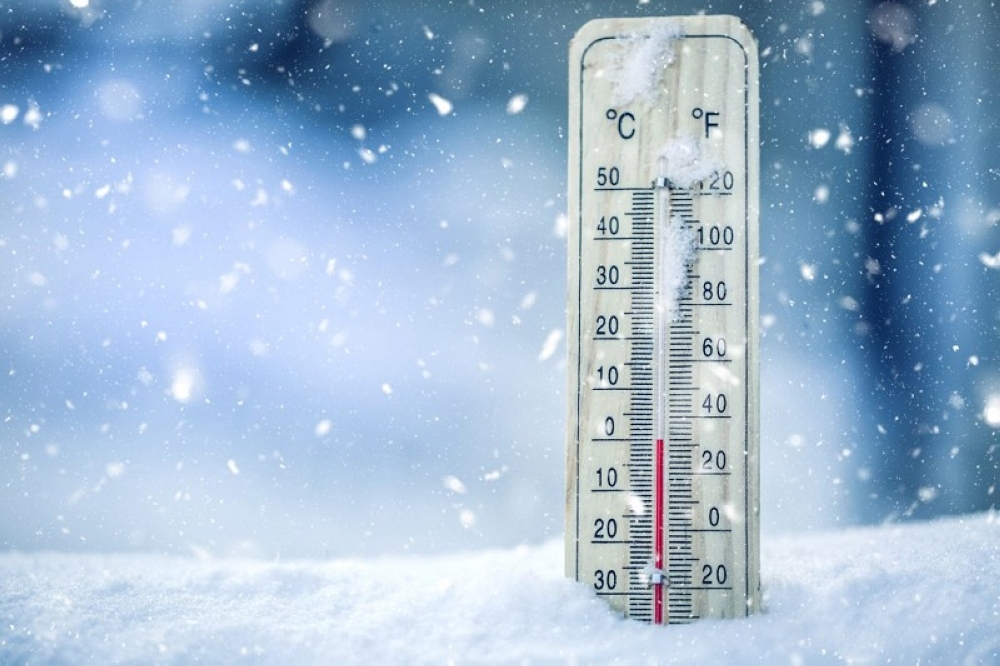
The center explained in its official report that Al-Qurayyat Governorate will be affected by a cold wave accompanied by a sharp drop in temperatures, with recorded temperatures expected to range between 0°C and -3°C. The report indicated that this weather pattern will lead to frost formation, necessitating caution. The center specified the timeframe for this weather event, stating that it will begin at 1:00 AM and continue until 8:00 AM on Friday morning.
Al-Qurayyat: The gateway to the north and its harsh winter climate
These warnings are particularly important given the geographical location of Al-Qurayyat Governorate, situated in the far north of Saudi Arabia near the Jordanian border. Al-Qurayyat is historically known for its continental desert climate, characterized by harsh winters compared to the rest of the Kingdom. The governorate serves as a corridor for cold air masses originating from Siberia and Eastern Europe, often resulting in the lowest temperatures in the Kingdom during the winter months, with residents accustomed to temperatures near and below freezing at the height of winter.
Effects of frost on agriculture and daily life
The drop in temperatures below freezing and the formation of frost have a direct impact on the agricultural sector, for which the Al-Jawf region in general and Al-Qurayyat in particular are renowned, especially the cultivation of olives, dates, and fruits. Agricultural experts typically advise farmers in such conditions to take preventative measures to protect sensitive crops from damage caused by the freezing of water within plant cells. These conditions also affect traffic on highways and rural roads during the early morning hours, as frost may form on the roads, reducing tire traction and increasing the risk of skidding.
Safety recommendations and guidelines
In light of these conditions, authorities are urging citizens and residents to wear heavy winter clothing, especially children and the elderly, and to exercise caution when using various heating methods, whether electric or those based on coal and wood, to ensure proper ventilation and prevent cases of suffocation or fires. Drivers are also advised to be cautious while driving in the early morning hours and to avoid high speeds due to the possibility of reduced visibility or vehicles skidding on icy conditions.