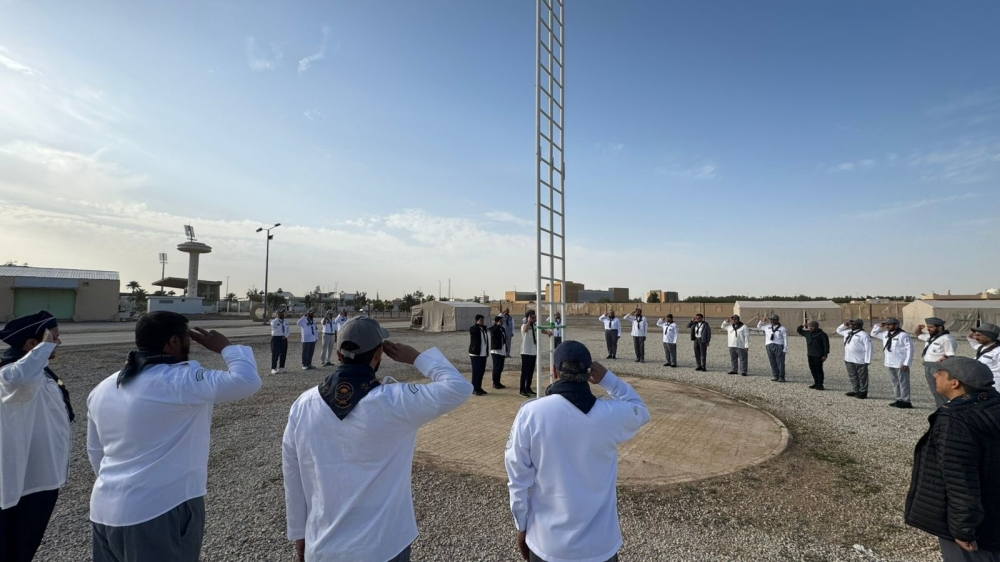
انطلقت في منطقة القصيم فعاليات “الدراسة المتقدمة للشارة الخشبية”، التي تنظمها الإدارة العامة للتعليم بالمنطقة تحت إشراف جمعية الكشافة العربية السعودية. يشارك في هذه الدراسة المكثفة 30 قائدًا كشفيًا من مختلف القطاعات، بهدف صقل مهاراتهم وتعميق فهمهم لفلسفة الحركة الكشفية، وتستمر أعمالها حتى السابع عشر من شهر شعبان.
خلفية تاريخية وأهمية الشارة الخشبية
تُعد الشارة الخشبية أعلى مؤهل قيادي في الحركة الكشفية على مستوى العالم، وهي بمثابة شهادة تقدير للكفاءة والخبرة في قيادة الفرق الكشفية. يعود تاريخها إلى عام 1919، عندما أطلقها مؤسس الحركة الكشفية، اللورد روبرت بادن باول، في “غيلويل بارك” بإنجلترا، لتكون مركزًا لتدريب قادة الوحدات الكشفية. ومنذ ذلك الحين، أصبحت الشارة، المكونة من خرزتين خشبيتين، رمزًا عالميًا للالتزام والتميز في القيادة الكشفية، حيث يهدف برنامجها إلى تزويد القادة بالأدوات اللازمة لإدارة فرقهم بفاعلية وإلهام الشباب لتحقيق أقصى إمكاناتهم.
أهداف الدراسة ومواءمتها مع رؤية 2030
خلال حفل الافتتاح، أكد قائد الدراسة، عبدالعزيز الربعي، أن العمل الكشفي يرتكز في جوهره على التطوع وخدمة المجتمع. وأشار إلى أن كشافة المملكة تعمل وفق استراتيجية طموحة تهدف إلى الإسهام المباشر في تحقيق مستهدفات رؤية المملكة 2030. ويأتي ذلك من خلال تطوير منظومة العمل التطوعي وزيادة أعداد المتطوعين، مما يعزز التنمية المستدامة على كافة الأصعدة. وأوضح أن تنظيم هذه الدراسة يعكس حرص تعليم القصيم على دعم الحركة الكشفية، إيمانًا بدورها المحوري في بناء شخصية الشباب وتنمية قدراتهم القيادية والمجتمعية.
برنامج تدريبي متكامل
تستهدف الدراسة تنمية قدرات المشاركين في قيادة الوحدات الكشفية وتأهيلهم لمراحل متقدمة من التدريب. ويشمل البرنامج التدريبي المتكامل جلسات نظرية وتطبيقات عملية تغطي موضوعات حيوية مثل: مسؤوليات قائد الوحدة، أساليب تدريب الفتية، نظريات القيادة الحديثة، التخطيط الاستراتيجي، والمناهج الكشفية المحدثة. كما يركز البرنامج على تعزيز علاقة الحركة الكشفية بالمجتمع، وتنمية الموارد، وإعداد البحوث الميدانية التي تخدم الأهداف الكشفية.
واختتم الربعي حديثه بالإشارة إلى أن البرنامج سيُتوج برحلة خلوية تطبيقية، تتيح للمشاركين ممارسة المهارات المكتسبة في بيئة عملية. سيتدرب القادة خلالها على فنون الملاحة البرية، استخدام العلامات السرية، رسم الخرائط، تقدير المسافات والاتجاهات، وفك الرسائل المشفرة، وهي مهارات تعزز الاعتماد على النفس والعمل بروح الفريق الواحد، وتستكمل الأهداف التدريبية الشاملة للدراسة.