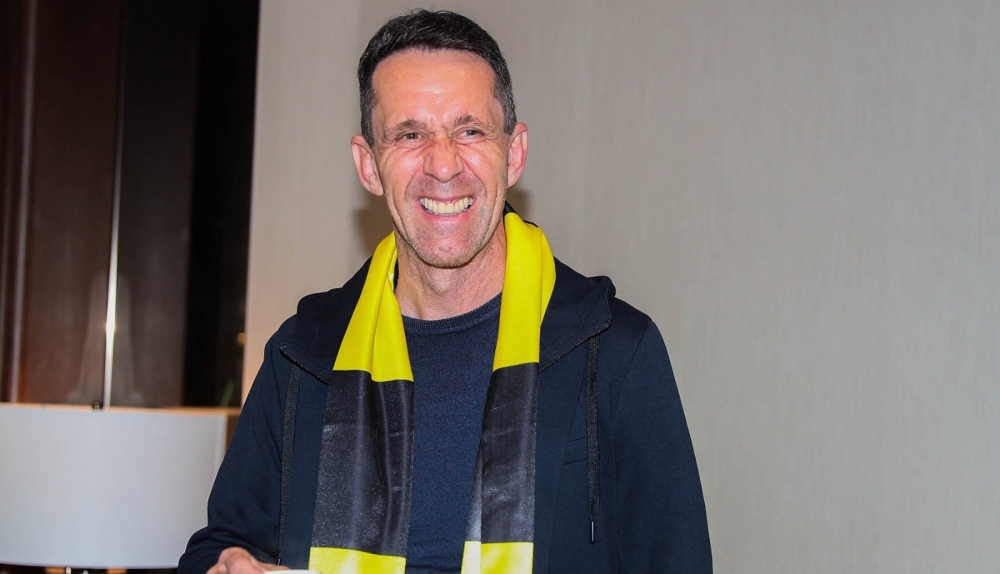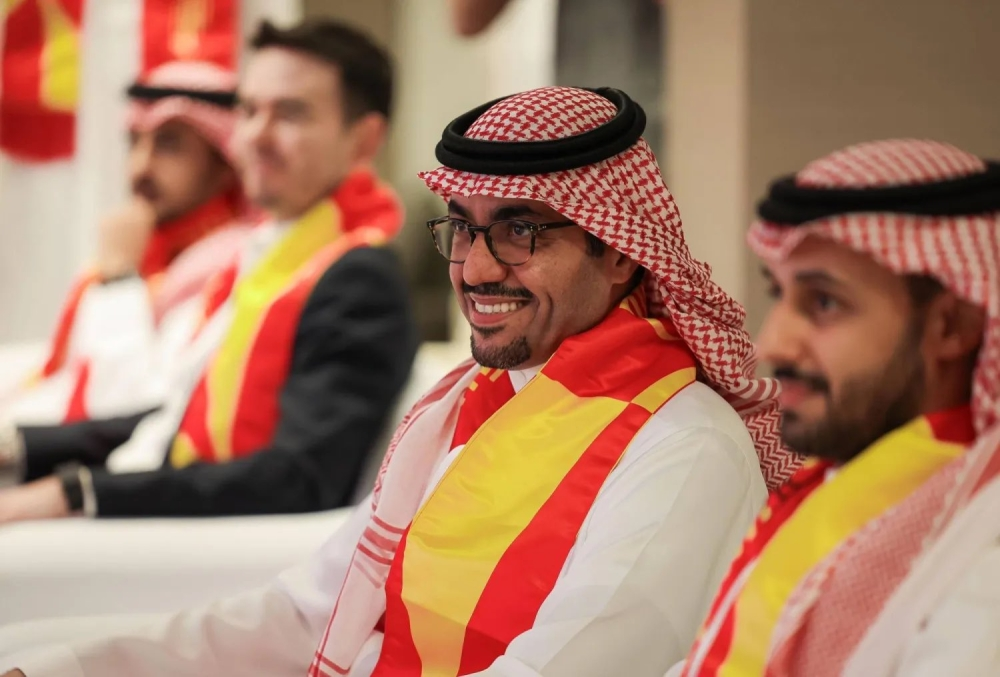
Badr Al-Ruziza, Chairman of the Board of Directors of Al-Qadisiyah Club, announced a significant strategic step: the opening of an official club academy in Al-Ahsa Governorate. This move, finalized in recent hours, is part of the club's ambitious expansion vision, aimed at strengthening its talent pool and securing the future of the first team with promising young Saudi players.
In exclusive statements to Al-Midan Al-Riyadi, Al-Ruzayza revealed the ambitious goals behind this project, saying, “Our target is to reach 2,500 players in the academies. Al-Ahsa is a fertile ground for talent, and our expansion there is not just about increasing numbers, but rather an investment in the source of stars.” He added that the administration’s ambition is to emulate successful global models in youth development, saying, “Our goal is to keep pace with major academies, such as Liverpool FC’s academy and those of other top clubs worldwide.”.
Strategic context and national vision
This expansion comes at a time when Saudi sports, and football in particular, are undergoing a transformation in line with the Kingdom's Vision 2030. Following Saudi Aramco's acquisition of the club, Al-Qadisiyah's ambitions have soared, not only in terms of competing in the Saudi Professional League, but also in building a sustainable infrastructure for player development. Establishing specialized academies in various regions of the Kingdom is a cornerstone of this strategy, aiming to discover talent at its inception and provide a professional environment for its refinement and development.
Project importance and expected impact
The significance of opening the Al-Qadisiyah Academy in Al-Ahsa extends far beyond the club itself, impacting the entire region and Saudi football as a whole. Locally , the academy will provide a valuable opportunity for young talents in Al-Ahsa, a region historically renowned for producing stars, to receive high-level training and join a professional system. Nationally , this initiative contributes to broadening the pool of players available for the national teams across all age groups, thus strengthening Saudi football in the long term. Furthermore, this investment in youth development represents a sustainable economic model for clubs, reducing reliance on purchasing ready-made players and focusing on building talent from within.
Al-Ruzayza concluded his remarks by pointing to the large crowd at the team’s last match against Al-Fateh in Al-Ahsa, which ended in a 1-1 draw, considering this evidence of the club’s strong fan base in the region, which enhances the chances of success for the new academy.