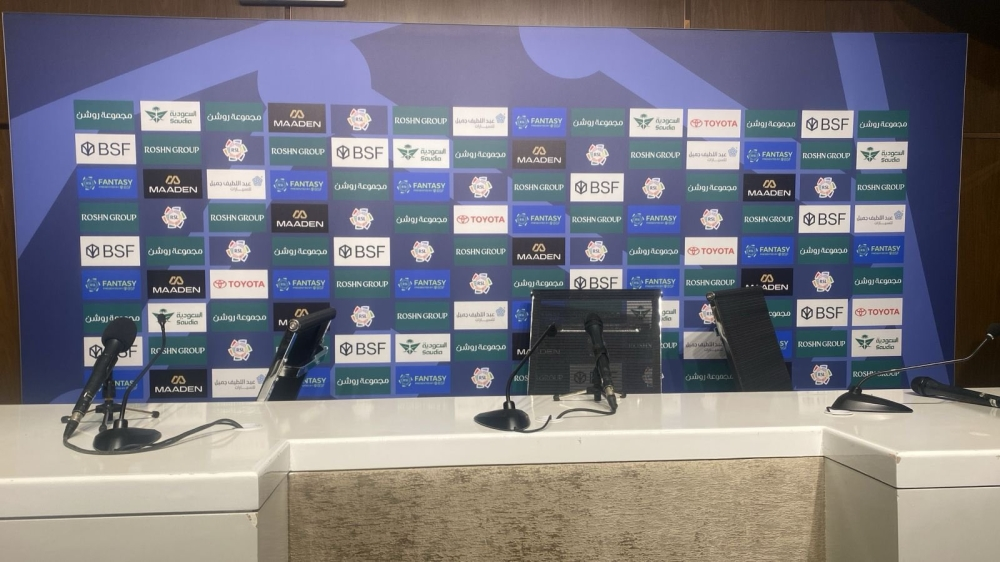
In a surprising move that sparked widespread controversy in Saudi sports circles, Al-Nassr's management decided to ban the team's coach, Portuguese Luis Castro, and all players from giving any media statements or attending the press conference following the team's match against Al-Riyadh. This decision came as a form of protest after the team's resounding 4-1 victory in the sixteenth round of the Saudi Professional League.
Background and general context of the event
The match, held at Al-Awwal Park, witnessed a strong performance from Al-Nassr, with goals from Cristiano Ronaldo, Otavio, and Anderson Talisca (two goals), confirming the team's determination to continue chasing the league leaders. However, the refereeing performance during the match was the main point of contention, prompting Al-Nassr's management to take this firm stance. According to sources close to the club, the decision came as an expression of deep dissatisfaction with certain refereeing decisions that the management considered influential and unfortunate. They felt that continuing to comment on these decisions in the media would be ineffective, preferring instead to convey their message through a complete boycott.
The importance of the decision and its expected impact
This incident is particularly significant given the critical competitive stage the Saudi Professional League is currently experiencing. With the league attracting major international stars, every match and every point is now receiving unprecedented media and public attention, both locally and internationally. The decision by a club the size of Al-Nassr, which includes the legendary Cristiano Ronaldo, to boycott the media sends a strong and direct message to the Saudi Arabian Football Federation and the Referees Committee: the level of refereeing is not up to par with the development and high ambitions of the competition. This stance is expected to reopen the debate about the need to develop the refereeing system and utilize the best expertise to ensure fair and transparent competition, especially since such protests could be repeated by other clubs who feel wronged, potentially impacting the overall image of the league.
On the media front, the absence of Castro and the players deprived the media and the fans of hearing the team's technical perspective on the match, and shifted the focus from the resounding victory to the administrative and refereeing crisis, which may have been a deliberate goal by the club's management to shed maximum light on their issue.