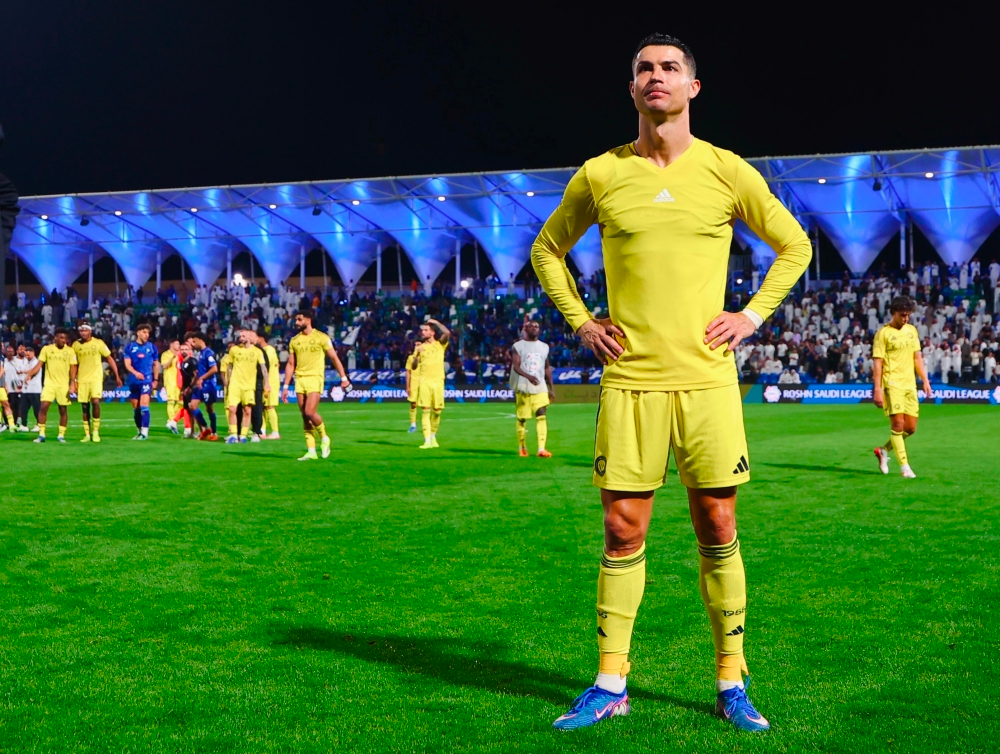
Al-Nassr's resounding 5-0 victory over Al-Khaleej was more than just three points added to their tally in the Saudi Professional League; it sparked widespread discussion among both fans and pundits. This crushing win came in the absence of Cristiano Ronaldo , the team's captain and star player, leading observers to question whether Al-Nassr could maintain their attacking prowess without their all-time leading scorer.
The context of fierce competition in the Saudi Roshan League
This match comes at a time when the Saudi Professional League is experiencing an unprecedented surge in popularity, with fierce competition among the top clubs. Historically, the rivalry between Al-Nassr and their traditional rivals, Al-Hilal, has always represented the pinnacle of Saudi football. This season, there is no room for error, as Al-Nassr strives to close the gap with the league leaders. This highly competitive environment makes the Al-Khaleej match a true test of the team's character, especially given the increasing media and fan pressure that accompanies any potential setback, particularly in light of the significant improvement of their rivals.
Flexible tactical performance compensates for Ronaldo's absence from Al-Nassr
Before the opening whistle, anxiety gripped the Al-Nassr fans in the stands, who feared the impact of the injury that sidelined "The Don." But what transpired on the pitch was entirely different; the team delivered one of its most complete and tactically flexible performances of the season. Al-Nassr players displayed remarkable freedom of movement and positional interchange, relying heavily on teamwork and a clear distribution of attacking responsibilities. The attack was no longer confined to a single final position; rather, the sources of danger were diverse, overwhelming Al-Khaleej's defense, which faced individual penetrations and rapid collective movements from all areas of the field.
The brilliance of professionals and young talents
One of the most notable tactical gains from this encounter was the outstanding performance of the midfield and wingers. Professional stars like the Portuguese Otavio and the Brazilian Talisca played pivotal roles in playmaking and controlling the attacking tempo, making the team more effective in creating opportunities. This creativity wasn't limited to established names; young players also shone brightly, most notably Ayman Yahya and the Brazilian talent Angelo Gabriel. This duo moved with great freedom on the flanks, adding attacking versatility that made predicting the team's movements extremely difficult for the opposition.
The local and regional dimensions of the global victory
This impressive victory carries far greater significance than simply securing three points. Domestically, Al-Nassr sent a strong message to its rivals: the team possesses a deep bench and a system capable of adapting to the most challenging circumstances. Regionally and internationally, this performance reinforces Al-Nassr's image as a formidable competitor in continental championships and demonstrates that the club's sporting project is built on solid institutional foundations, not dependent on any single player, no matter how legendary or influential.
The balance between a single star and a collective system
Despite the widespread praise for the team's collective performance, no one can diminish the immense technical and goal-scoring value that Cristiano Ronaldo represents. His presence gives the team attacking prowess and crucial experience in big matches. The real challenge facing the coaching staff now is how to capitalize on this team spirit and tactical flexibility that has emerged, and effectively integrate it with Ronaldo's return to the starting lineup. Achieving this ideal formula will be the key to Al-Nassr's continued steady progress towards winning domestic and continental titles this season.