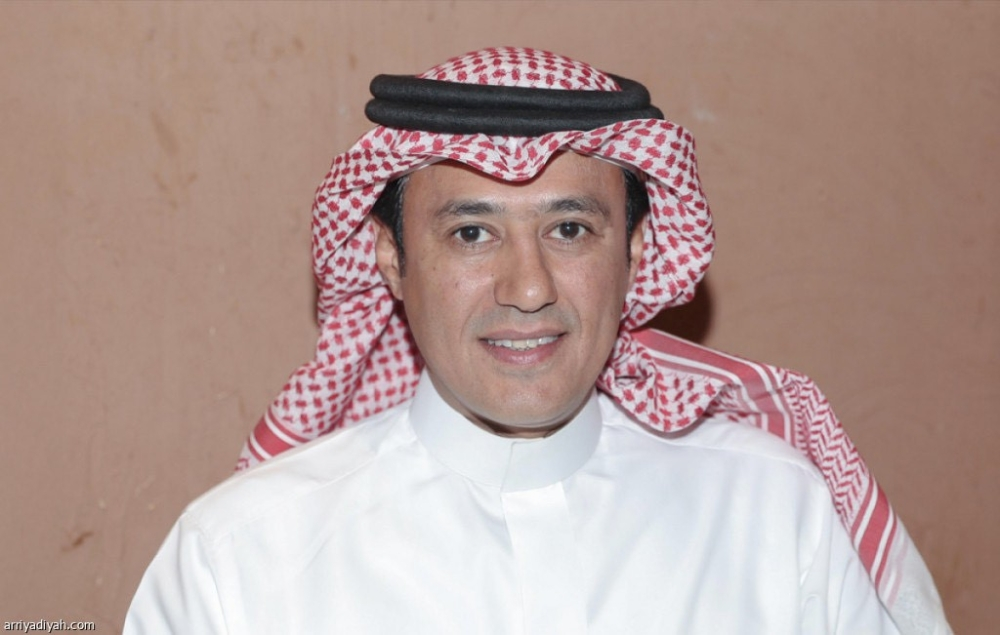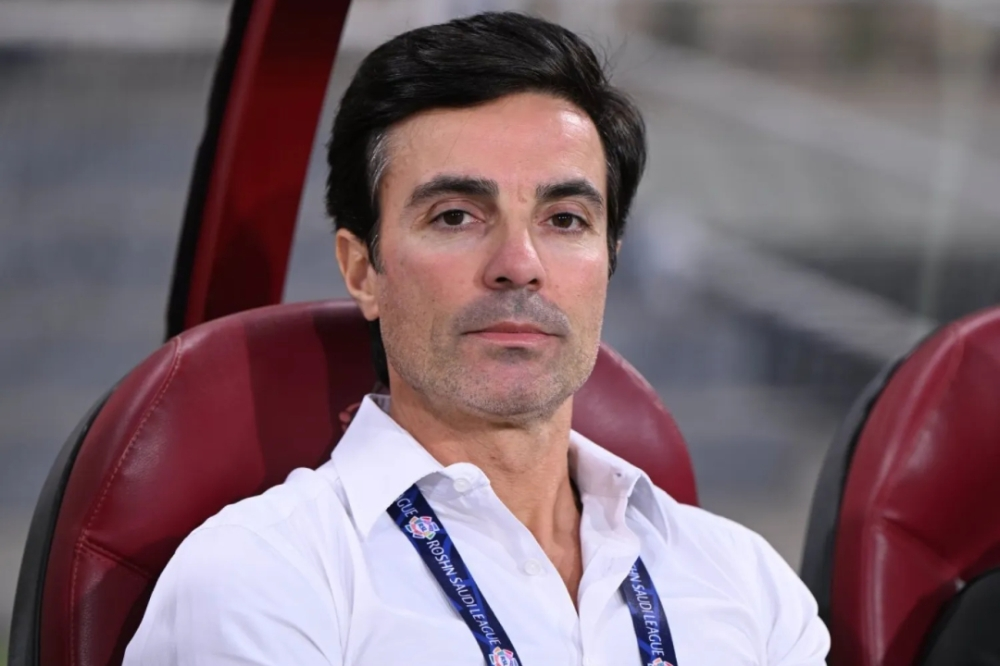
The trend of rapid managerial changes in the Saudi Professional League continued into the 2025/26 season, with Al-Najma FC announcing on Sunday evening the mutual termination of their contract with Portuguese head coach Mario Silva. This marks the fifth managerial dismissal in the competition this season, reflecting the immense pressure and high expectations facing both clubs and coaches amidst the league's rapid development.
The decision by Al-Najma's management came after a series of disappointing results under Silva's leadership. In 20 league matches, the team failed to secure a single victory, recording a dismal record of 15 defeats and only 5 draws. This meager tally left the team with just 5 points, languishing at the bottom of the table – a precarious situation that prompted the management to make the coaching change in the hope of turning things around and avoiding relegation.
A broader context for the phenomenon of changing coaches
Silva wasn't the first casualty of the Saudi Professional League's dismissal this season; four other coaches have already lost their jobs due to poor results. The list includes prominent names such as Frenchman Laurent Blanc with Al-Ittihad, Spaniard Michel González with Al-Qadisiyah, his compatriot Javier Calleja with Al-Riyadh, and Portuguese Paulo Sergio, who left Al-Akhdoud. This rapid succession of dismissals underscores that patience with coaches has become a rare commodity in the Saudi league.
The impact of massive investments and Vision 2030
The frequent dismissal of coaches is a near-constant feature of the Saudi league, but it has gained even more momentum in recent years, coinciding with the radical transformation of the Kingdom's sports sector as part of Vision 2030. The massive investment in attracting global stars like Cristiano Ronaldo, Neymar, and Karim Benzema has raised expectations to unprecedented levels, not only at the top clubs but across the entire league. This new reality has created a fiercely competitive and unforgiving environment, where immediate results have become the sole measure of success, and patience for long-term projects has dwindled.
Importance and impact on the league's reputation
Domestically, these dismissals reflect the anxiety gripping club administrations, especially those battling relegation, where changing coaches becomes the easiest and quickest option to try and inject positive momentum into the team. Internationally, this high rate of coaching changes paints a picture of the Saudi league as a financially attractive but risky destination for coaches. While the lucrative salaries and ambitious projects attract top names in the coaching world, the lack of job security can make some hesitant to accept any offer, underscoring that success in the Saudi Professional League requires the ability to deliver quick results under immense pressure.