A pivotal role that goes beyond singing and entertainment
The renowned pearl diver Ahmed Bahr revealed the profound and hidden dimensions of the pearl diver's role in the maritime heritage of the Arabian Gulf region, emphasizing that his stereotypical image as a performer of sea shanties represents only a small part of his vital duties. According to Bahr, the pearl diver served as a "psychological therapist" who absorbed the sailors' stress and maintained their mental equilibrium, and as a "field leader" who regulated the rhythm of the arduous collective work on board the ship, especially during long diving voyages that could last for more than four consecutive months.
Historical context: Diving as the lifeblood of the Gulf
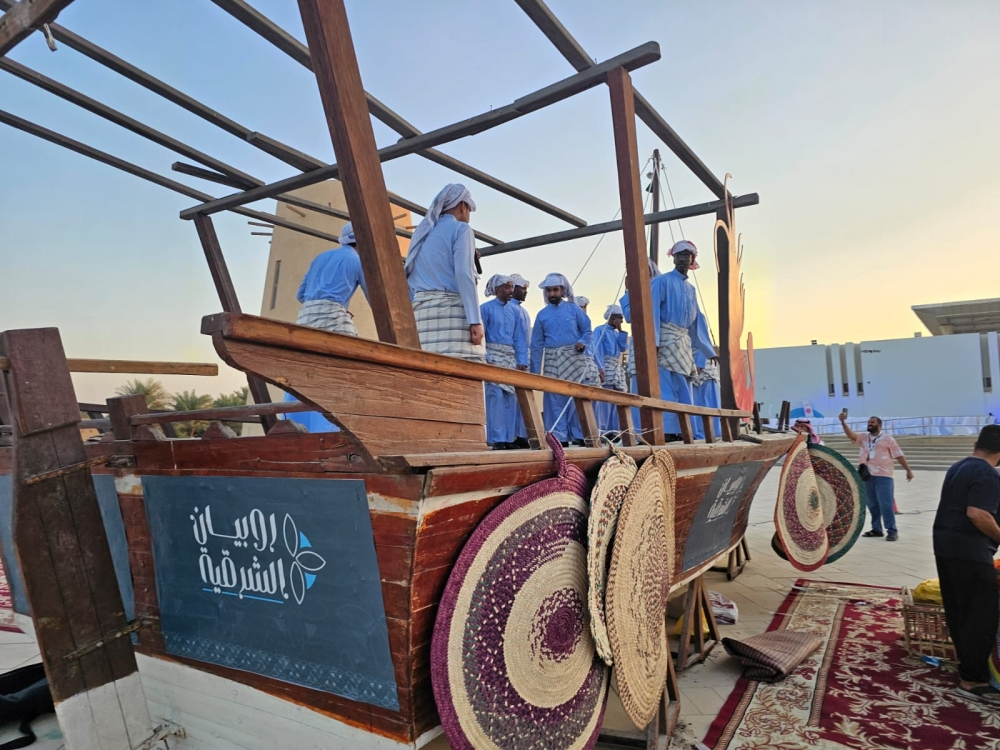
Before the discovery of oil, pearl diving formed the backbone of the economies of the coastal communities in the Gulf. These diving expeditions, known as "safar," were epic tales of human struggle against the harshness of nature. The sailors, who could number up to 40 on traditional vessels like the "bateel," lived in confined spaces for months, enduring the scorching summer heat, scarce resources, the perils of the sea, and the isolation of their families and homeland. In this stressful and arduous environment, the presence of the "nahham" (pearl diver) was not a luxury, but an absolute necessity to ensure the continuation and success of the voyage.
The pearl diver: the psychological safety valve and rhythm leader
Bahr explained that the role of the Nahham (singer of the sea) extends beyond mere entertainment, serving as a cornerstone of the crew's mental well-being. His voice was an effective tool for releasing negative energy, improving mood, and absorbing immense physical and mental exhaustion. He noted that his presence on board was a priority, to the point that sailors would sometimes inquire about the Nahham's identity even before asking about the "Nakhoda" (captain), recognizing that his voice was a source of moral support that would alleviate the burden of homesickness and the hardships of work. The Nahham also played a leading role in directing the physical labor; every movement had its own rhythm. He would chant the "Khatfa" when raising the sails to unify the drag, while he used the "Yamal" and "Dawari" techniques to organize the collective effort, transforming fatigue into productive and harmonious energy.
Enduring cultural and heritage significance
The vital role of the pearl diver (nahham) is particularly prominent during the "Oud diving season," the longest diving season, lasting four months and ten days in the sweltering summer heat. As the pearl diving profession declined, the songs and arts of the pearl diver, known as "Fijiri," transformed into an enduring cultural icon. Today, this art form represents an integral part of the cultural identity of the Gulf countries, and significant efforts are being made to preserve it through festivals and heritage events, introducing new generations to this legacy that tells the story of their ancestors' struggle and solidarity in facing the hardships of life at sea.