Media confrontation takes center stage
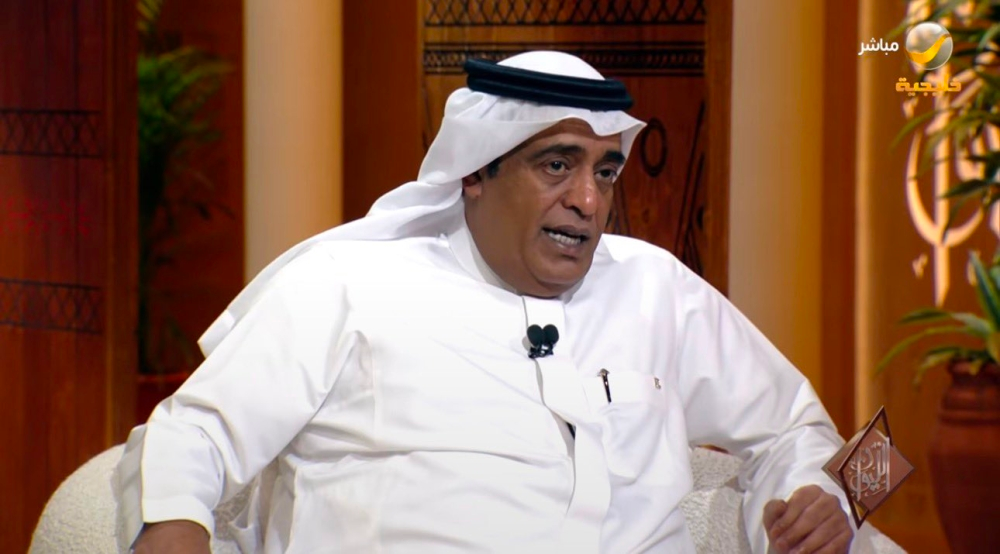
In an exceptional episode of his popular Ramadan program "Al-Liwan," journalist Abdullah Al-Mudayfer, known for his insightful and bold interviews, hosted prominent sports journalist Waleed Al-Faraj. The interview quickly became a hot topic, trending on the "X" platform in Saudi Arabia. More than just a typical interview, it was a heated media confrontation, reopening old wounds and sparking widespread debate in sports and media circles, reflecting the significant influence of both personalities and the program on public opinion.
Context and background: Media figures in a heated debate
Abdullah Al-Mudayfer's program "Al-Liwan" on Rotana Khalijia channel is a major talk show in the Saudi media landscape, especially during Ramadan, hosting influential figures from various political, intellectual, and sports fields. Meanwhile, Waleed Al-Faraj is one of the most controversial figures in Arab sports media over the past two decades. He is known for his outspoken opinions and his style, which combines sports analysis with sensationalism, making him both a beloved and disliked figure among fans of different clubs.
This interview came in the context of a Saudi sports scene experiencing a historic boom with the attraction of international stars and the rise of the Saudi Roshan League as one of the most prominent international leagues, which increased the intensity of media and public competition and made any talk about the secrets and history of Saudi sports a rich topic for discussion.
Key points of discussion that sparked controversy
The interview was characterized by its intensity and directness from the outset, with Al-Mudayfer confronting his guest with tough questions about past experiences in his career. Among the most prominent issues that generated significant discussion were:
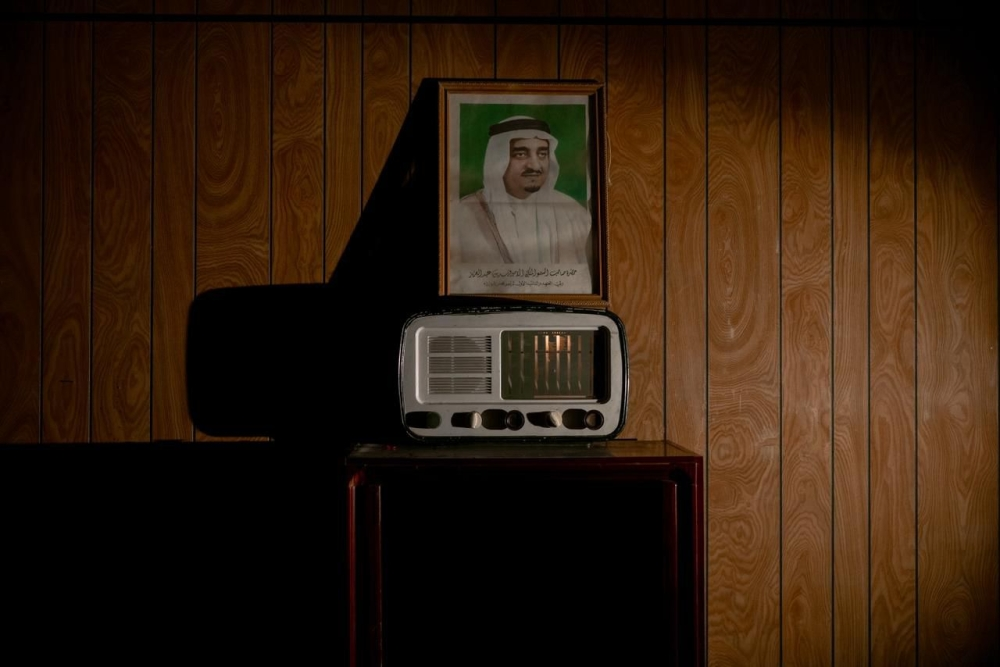
- The document attributed to the late Prince Abdulrahman bin Saud: Al-Faraj categorically denied the authenticity of an old document attributed to the late symbol of Al-Nasr Club, describing it as “forged.” This statement sparked strong reactions among the club’s fans and admirers of the late prince, and brought back to the forefront historical debates.
- Financial penalties and impartiality: Al-Faraj revealed that he had paid numerous fines for his media opinions, emphasizing that he had not received any special treatment or protection from any entity, in response to accusations of bias towards certain clubs. This revelation sparked a debate about freedom of expression in sports media and the limits of permissible criticism.
Importance and impact: Beyond the trend
The episode's impact wasn't limited to its dominance of the digital landscape for hours; it also sparked deeper discussions about the nature of sports media in the Kingdom. The audience was clearly divided. One group saw Al-Faraj's boldness and honesty as revealing important aspects of his personality and the history of sports media, considering such confrontations necessary for a more positive atmosphere. Conversely, another group criticized the dialogue style, deeming it more sensationalist and driven by personal conflict than intellectual or analytical value, and arguing that focusing on disagreements fuels sports fanaticism. Regionally, the Gulf audience follows Saudi sports media with great interest, and this episode reinforced the image of Saudi media as bold and capable of discussing sensitive issues transparently, potentially influencing the nature of sports talk shows in the region.