Increased monitoring to ensure food safety during Ramadan
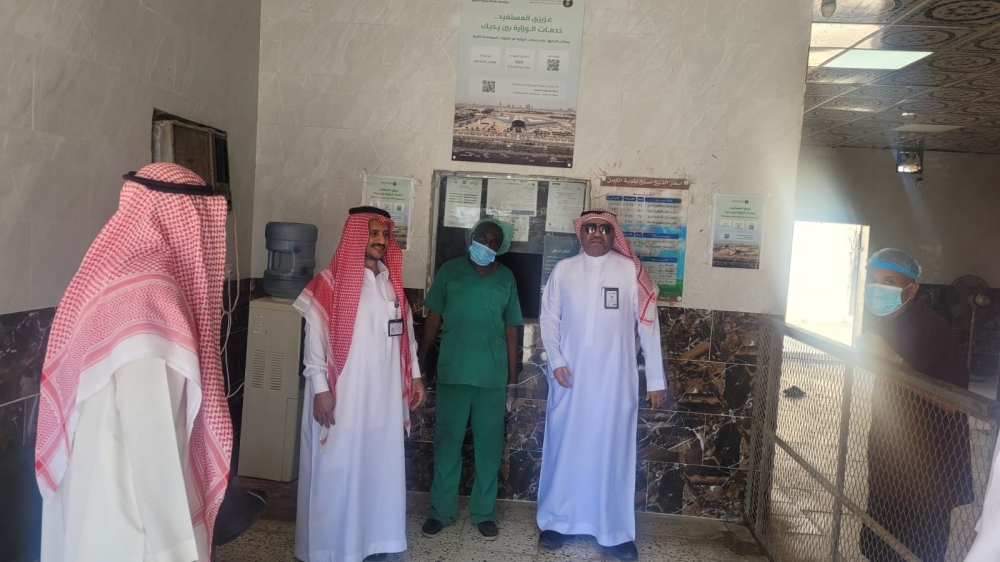
With the approach of the holy month of Ramadan, which sees a significant increase in meat consumption, the Ministry of Environment, Water and Agriculture office in Al-Kamil Governorate announced a comprehensive monitoring campaign. On Monday, the 21st of Sha'ban, 1447 AH (corresponding to August 20, 2020), the Markets and Slaughterhouses Department launched an intensive field campaign to monitor the readiness of the governorate's slaughterhouse, aiming to ensure the provision of safe and healthy food for citizens and residents during the holy month. This step comes in response to directives issued by the Director General of the Ministry's branch in the Makkah Region, Engineer Waleed bin Ibrahim Al-Dughais, and under the direct supervision of the Director of the Ministry's office in the governorate, Dr. Mahmoud bin Saeed Al-Ghamdi.
General context and importance of seasonal monitoring
Historically, government agencies in the Kingdom of Saudi Arabia have placed paramount importance on food safety, and these efforts intensify during religious and social seasons such as Ramadan and Hajj. This is due to the increased demand for food products, especially meat, which places significant pressure on slaughterhouses and retail outlets. Without effective oversight, unsanitary practices or violations of regulations may occur, such as unregulated slaughter outside of approved abattoirs or lax hygiene and storage standards, posing a direct threat to public health. Therefore, these preventative campaigns are a fundamental component of the national health security strategy to mitigate the risks of foodborne illnesses.
Campaign objectives and expected impact
The comprehensive inspection campaign aims to achieve several key objectives. First, it seeks to verify the slaughterhouse's full operational readiness and its capacity to meet increasing demand. Second, it aims to assess compliance with the health and regulatory requirements approved by the Ministry, including the cleanliness of equipment and floors, the health of workers, and safe waste disposal methods. The inspections also focus on the safe handling, transportation, and storage of meat to ensure it reaches consumers in high quality. This campaign is expected to have a direct positive impact locally, increasing consumer confidence in the services provided and protecting their health. Regionally, these efforts reflect the Makkah region's commitment to implementing the highest standards, befitting its religious significance and strategic importance.
A call for community oversight
In this context, Dr. Al-Ghamdi explained that specialized teams are working according to a well-defined monitoring plan that includes regular and continuous visits before and during Ramadan. He emphasized that the ultimate goal is to raise the level of compliance and apply the prescribed legal procedures against violators without any leniency. He stressed that meat safety is a top priority for the Ministry, calling on citizens and residents to be partners in this monitoring effort by immediately reporting any observations or violations of health requirements, thus contributing to strengthening community oversight and protecting public health for all.