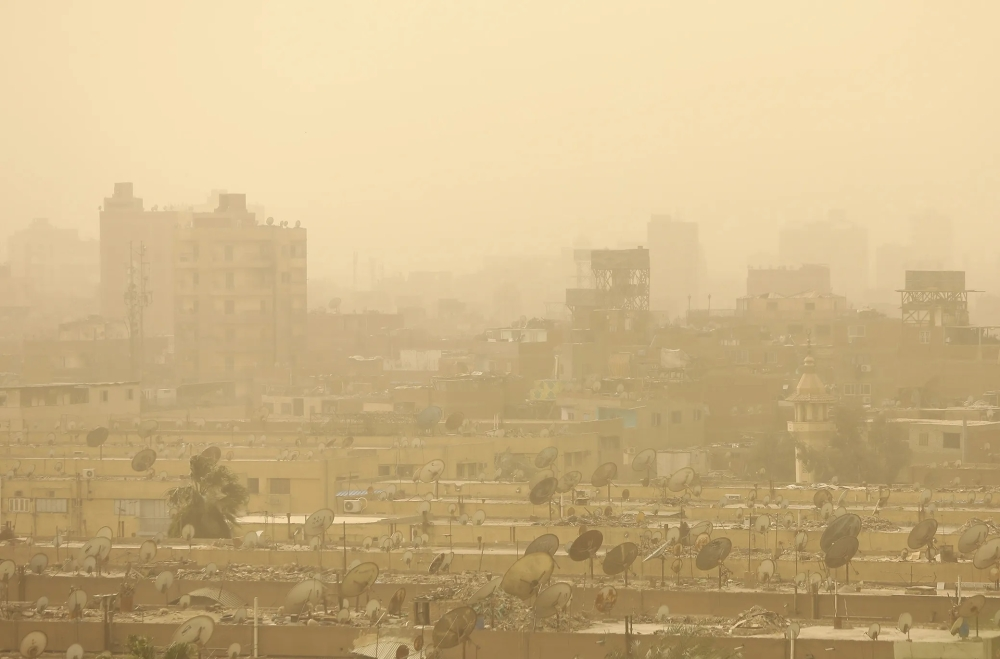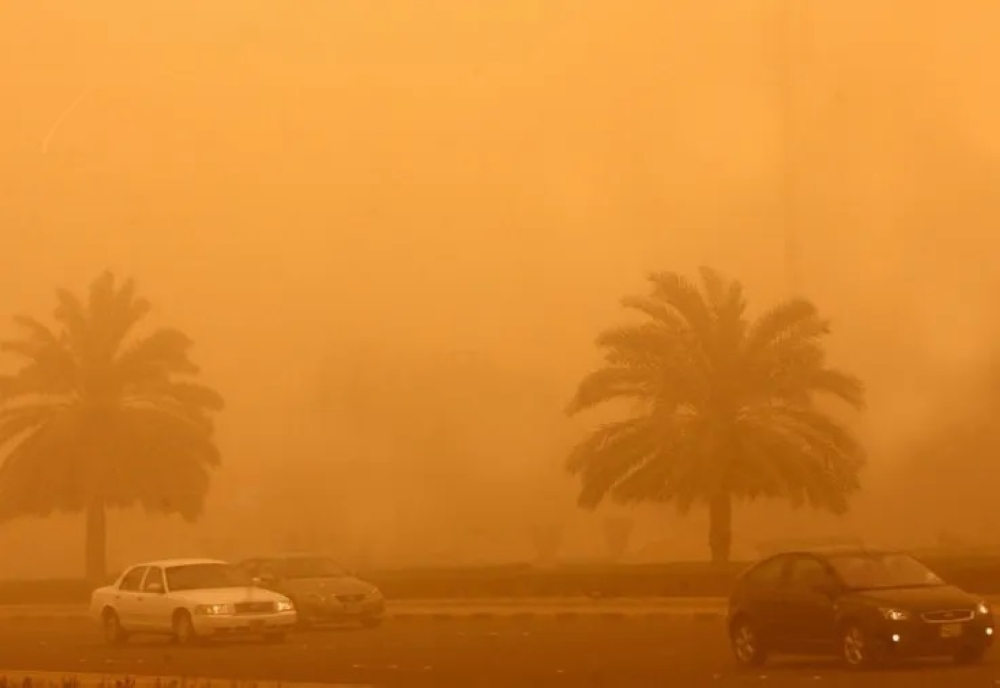
The National Center for Meteorology in Saudi Arabia issued an advanced weather alert for the Al-Jawf region on Wednesday, warning of a strong windstorm causing dust storms and significantly reducing horizontal visibility. The alert covers the city of Sakaka, the region's administrative capital, as well as the governorates of Dumat Al-Jandal, Al-Qurayyat, and Tabuk.
According to the center's report, surface wind speeds in Sakaka and Dumat al-Jandal are expected to reach between 40 and 49 kilometers per hour, a speed sufficient to stir up dust storms that could almost completely reduce visibility in some open areas. In the governorates of Qurayyat and Tabuk, the dust is expected to reduce visibility to between 3 and 5 kilometers. The center explained that this weather condition will begin at 9:00 AM and continue until 7:00 PM on Wednesday.
The climatic context of the Al-Jawf region
These weather phenomena are frequent in the Al-Jawf region, located in the northern part of Saudi Arabia and characterized by its continental desert climate. This climate is marked by hot, dry summers and cold winters, with sharp weather fluctuations during the transitional periods between seasons, particularly in spring. This period is known for its strong winds, which contribute to sand and dust storms due to the dryness of the soil and the vastness of the desert, making the region susceptible to such warnings periodically.
Expected effects and safety measures
This weather condition has direct impacts on the daily lives of residents. Locally, road traffic is expected to be significantly affected due to reduced visibility, increasing the risk of accidents on highways and main roads connecting the region's cities and governorates. Air traffic at Al-Jawf Regional Airport may also be affected. On the health front, health authorities, such as the Ministry of Health and Civil Defense, typically warn asthma and respiratory patients, the elderly, and children against direct exposure to dust and sand, advising them to stay indoors as much as possible and keep windows tightly closed. Drivers are also advised to exercise extreme caution, reduce speed, and use fog lights when necessary.
Regional importance and environmental efforts
The impact of these dust storms is not limited to the Al-Jawf region alone, but can extend regionally, as the winds carry dust long distances, affecting air quality in neighboring areas within the Kingdom and even in neighboring countries such as Jordan and Iraq. These phenomena occur within the context of broader environmental challenges facing the region, such as desertification and climate change. Saudi Arabia is working to address these challenges through ambitious initiatives like the "Saudi Green Initiative," which aims to increase vegetation cover and combat desertification, which will contribute in the long term to reducing the intensity and frequency of sand and dust storms.