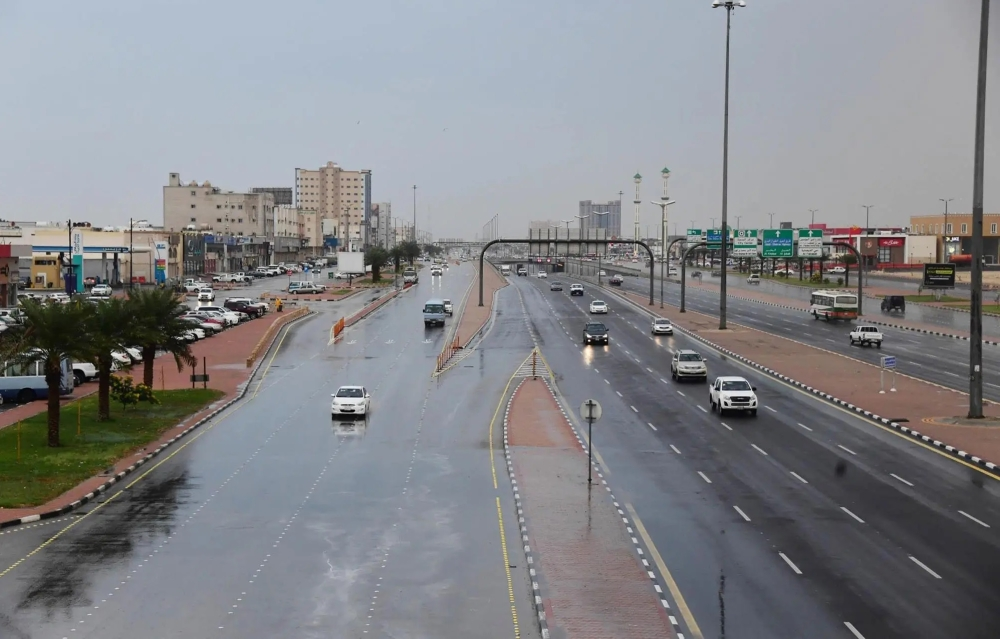
The National Center for Meteorology in Saudi Arabia issued an advanced warning regarding continued weather fluctuations in the Al-Jawf region. Active winds are expected in the coming hours, stirring up dust and sand, which will significantly reduce horizontal visibility. The warning includes the city of Sakaka and three other governorates: Dumat Al-Jandal, Al-Qurayyat, and Tabuk.
Weather details and its effects
According to the center's report, the direct effects of this weather system include blowing dust accompanied by active surface winds, potentially reducing horizontal visibility to near zero, with visibility expected to range between 1 and 3 kilometers only. The center explained that these weather conditions began today, Saturday, and are expected to continue until 2:00 AM tomorrow, Sunday, necessitating caution from residents and drivers.
The climatic context of the Al-Jawf region
The Al-Jawf region, located in northern Saudi Arabia, is part of the desert zone characterized by its arid continental climate. Dust and sandstorms are a frequent weather phenomenon in the region, particularly during seasonal transitions, when low-pressure systems bring strong winds that stir up dust and sand from the vast desert landscape. The region's open terrain plays a significant role in facilitating the movement of these dust masses and their widespread impact.
Importance and expected effects
These weather phenomena have multiple impacts on various levels. Locally, they pose a risk to public health, especially for those with asthma and respiratory conditions, the elderly, and children, who are advised to stay indoors and avoid going out unless absolutely necessary. They also directly affect transportation, as reduced visibility increases the risk of traffic accidents on highways and main roads connecting the region's cities and provinces. The effects may extend to air traffic at local airports. Regionally, dust storms can travel long distances, affecting air quality in neighboring areas and even neighboring countries, making it a phenomenon with transboundary impact.
Recommendations and guidelines
The Saudi National Center for Meteorology and Civil Defense continuously emphasizes the importance of following weather alerts and reports issued by official channels. Citizens and residents in affected areas are advised to follow these guidelines:
- Avoid leaving the house during a dust storm unless absolutely necessary.
- Close windows and doors tightly to prevent dust from entering.
- Exercise extreme caution while driving, reduce speed, and maintain a safe following distance.
- Patients with respiratory conditions should ensure they have the necessary medications.
These warnings come as part of the efforts of the concerned authorities to raise awareness and enhance public safety in the face of the fluctuating weather phenomena that the Kingdom is witnessing.