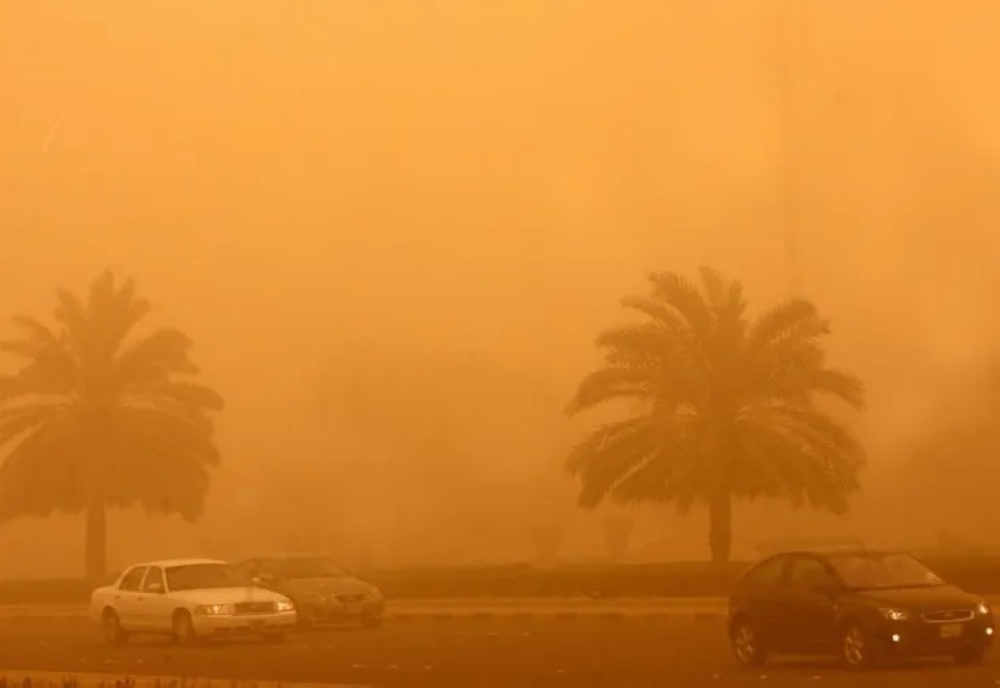
The National Center for Meteorology in Saudi Arabia issued an advanced weather alert for the Al-Jawf region, warning of strong winds stirring up dust and sand, which will significantly reduce horizontal visibility. The alert covers the city of Sakaka, as well as the governorates of Dumat Al-Jandal, Tabuk, and Al-Qurayyat, where these weather conditions are expected to persist until the early hours of Wednesday morning.
Weather details and its effects
According to the center's report, the aforementioned areas are expected to be affected by strong surface winds, which will stir up dust storms that could lead to near-zero horizontal visibility, dropping to between one and three kilometers. These weather conditions necessitate caution, especially for those traveling on highways and main roads connecting the region's cities and governorates.
The climatic context of the Al-Jawf region
The Al-Jawf region, located in northern Saudi Arabia, is known for its continental desert climate, characterized by intense heat in summer and cold winters, with little rainfall. This geographical and climatic nature makes it frequently subject to weather fluctuations, especially during seasonal transitions, when surface winds carry large quantities of sand and dust from the Great Nafud Desert and the surrounding open areas. While these phenomena are part of the region's ecosystem, they pose challenges to the population and daily activities.
Importance and expected effects
Such weather warnings are of paramount importance on several levels:
- Locally, the direct impact is on public safety and health. Those with respiratory conditions, asthma, the elderly, and children are advised to stay indoors and avoid direct exposure to dust. Transportation is also significantly affected, as reduced visibility requires cautious driving and reduced speed on the roads, and may, in some cases, lead to delays or cancellations of flights to and from Al-Jawf Regional Airport.
- On a regional level: The effects of dust storms can extend to wider areas, as dust clouds travel across borders to affect neighboring countries such as Jordan and Iraq, impacting air quality and transportation in those areas as well.
The relevant authorities, such as the Civil Defense and Road Security, are working to raise their level of preparedness to deal with any emergency that may result from this weather condition, calling on everyone to follow the updates issued by the National Center for Meteorology and to adhere to safety instructions to ensure everyone’s safety.