خطوة استراتيجية نحو مستقبل أخضر
في إنجاز بيئي بارز، كشف البرنامج الوطني للتشجير عن الهوية النباتية الكاملة لمنطقة الجوف، مقدماً خارطة طريق علمية متكاملة تضم 19 فصيلة و27 نوعاً من النباتات المحلية الأكثر ملاءمة للزراعة والانتشار. تأتي هذه الخطوة كجزء من الحراك الوطني الشامل الذي يهدف إلى تنمية الغطاء النباتي ومكافحة التصحر، وتنسجم بشكل مباشر مع الأهداف الطموحة لـ «مبادرة السعودية الخضراء» وركائز «رؤية المملكة 2030» التي تضع الاستدامة البيئية في صميم أولوياتها.
السياق العام والأهمية الوطنية
تكتسب هذه الدراسة أهمية خاصة بالنظر إلى التحديات البيئية التي تواجه المملكة والمنطقة بأسرها، من شح المياه إلى تدهور الأراضي وزحف الرمال. وتُعد منطقة الجوف، بتاريخها الزراعي العريق وطبيعتها الجغرافية المتنوعة، نموذجاً حياً لهذه التحديات والفرص. إن تحديد الأنواع النباتية المحلية القادرة على الصمود والازدهار في الظروف المناخية القاسية للمنطقة لا يمثل نجاحاً علمياً فحسب، بل هو أساس لنجاح مشاريع التشجير على المدى الطويل. فبدلاً من الاعتماد على أنواع دخيلة قد تستهلك كميات كبيرة من المياه وتفشل في التكيف، يركز البرنامج على الكنوز المحلية التي تشكل جزءاً لا يتجزأ من التوازن البيئي، مما يضمن استدامة الموارد الطبيعية ويقلل من الهدر المائي والمالي.
تنوع بيولوجي فريد وتأثير متوقع
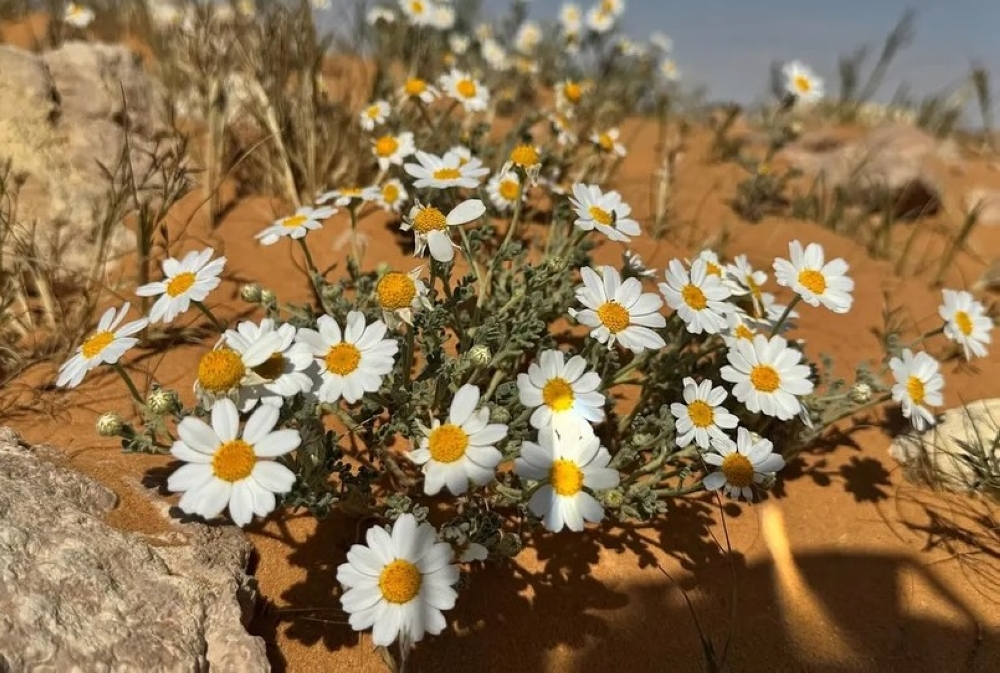
أظهرت المسوحات الميدانية التي أجراها البرنامج ثراءً بيولوجياً لافتاً في الجوف، حيث يتوزع الغطاء النباتي على تضاريس متباينة تشمل الكثبان الرملية الشاسعة، السهول، الوديان، الهضاب، وحتى البيئات الصعبة كالسبخات. وتضم القائمة المعتمدة تشكيلة واسعة من الأشجار والشجيرات والأعشاب التي تتصدرها أنواع أصيلة مثل السلم، الغضى، الرمث، العرفج، والسدر البري. ينتمي هذا التنوع إلى فصائل علمية متعددة أبرزها البقولية، القطيفية، الوردية، والنجيلية، مما يعكس مرونة النظام البيئي في المنطقة.
من المتوقع أن يكون لهذه الخارطة النباتية تأثير إيجابي متعدد الأبعاد. فعلى الصعيد المحلي، ستساهم في استعادة التوازن البيئي، تحسين جودة الهواء، توفير موائل طبيعية للحياة الفطرية، وتعزيز الوعي المجتمعي بأهمية الحفاظ على النباتات المحلية. أما على الصعيد الوطني، فهي تدعم بشكل مباشر هدف «مبادرة السعودية الخضراء» لزراعة 10 مليارات شجرة، وتوفر نموذجاً يمكن تطبيقه في مناطق أخرى من المملكة. دولياً، يعزز هذا الجهد مكانة المملكة كدولة رائدة في تبني حلول مستدامة ومبتكرة لمواجهة التغير المناخي وتحديات التصحر العالمية.