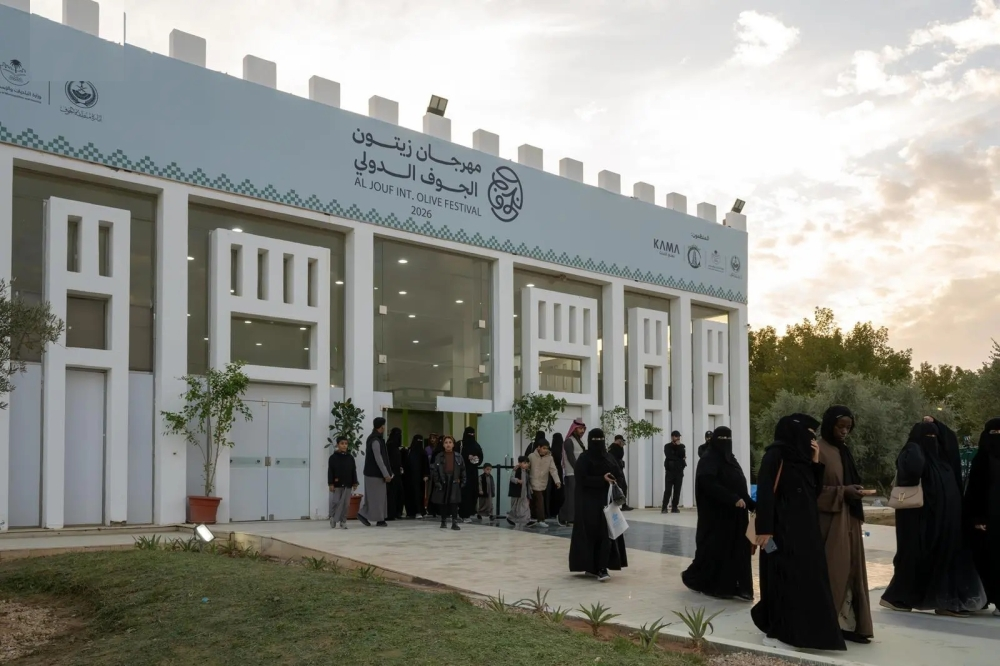
the Al-Jouf International Olive Festival set a new record for visitor numbers, welcoming over 65,000 visitors in just the first five days. This prominent annual event, organized by the Al-Jouf Municipality, is being held at the Prince Abdul-Ilah Cultural Center in Sakaka and continues to offer its diverse activities until January 17th, amidst a pleasant winter atmosphere and a large public turnout.
Al-Jawf: The olive capital and the Kingdom's food basket
This overwhelming turnout is unsurprising given the strategic importance of the Al-Jawf region in Saudi Arabia's agricultural sector. Historically known as the "breadbasket of the Kingdom" and the olive capital, the region boasts millions of olive trees producing some of the world's finest olive oil. This festival, which celebrates the region's agricultural heritage and culminates in the harvest season, makes it a prime destination for those interested in agriculture and related industries, as well as a major marketing platform for local farmers to showcase their products to thousands of visitors and investors.
Diverse entertainment areas and world-class experiences
This year, the festival management was keen to diversify the events to suit all segments of society, as the festival includes multiple attractions, most notably:
- The Olive Exhibition (Expo): which is the heart of the festival for showcasing products.
- Olive Kitchen: To offer live cooking experiences based on underground olive oil.
- Entertainment areas: These include “Gardens”, “The World”, “Lavender” area, in addition to “Tour Al-Jawf”.
- Theaters: The festival includes the International Theater and the Olive Theater, along with 6 areas dedicated to games and 3 musical areas.
Enriching the visitor experience and supporting the local economy
In a statement regarding the success of the first few days, the festival's CEO, Omar bin Abdulaziz Al-Hamwan, explained that the events were carefully designed to enrich the visitor experience. These events include musical and theatrical performances, as well as international folkloric displays from participating countries, such as Anatolian, Nashama, and Dabke dances. The program also features carnival parades through the festival grounds, modern electronic games, and visual art exhibitions.
The festival is of great economic importance that goes beyond the entertainment aspect; it is a development engine for the Al-Jawf region, as it contributes to stimulating tourism and hotel activity, and supports small farmers and productive families by providing a huge platform for marketing olive products and their derivatives, such as soap, cosmetics and charcoal, which is in line with the objectives of the Kingdom’s Vision 2030 in promoting agricultural tourism and supporting local content.