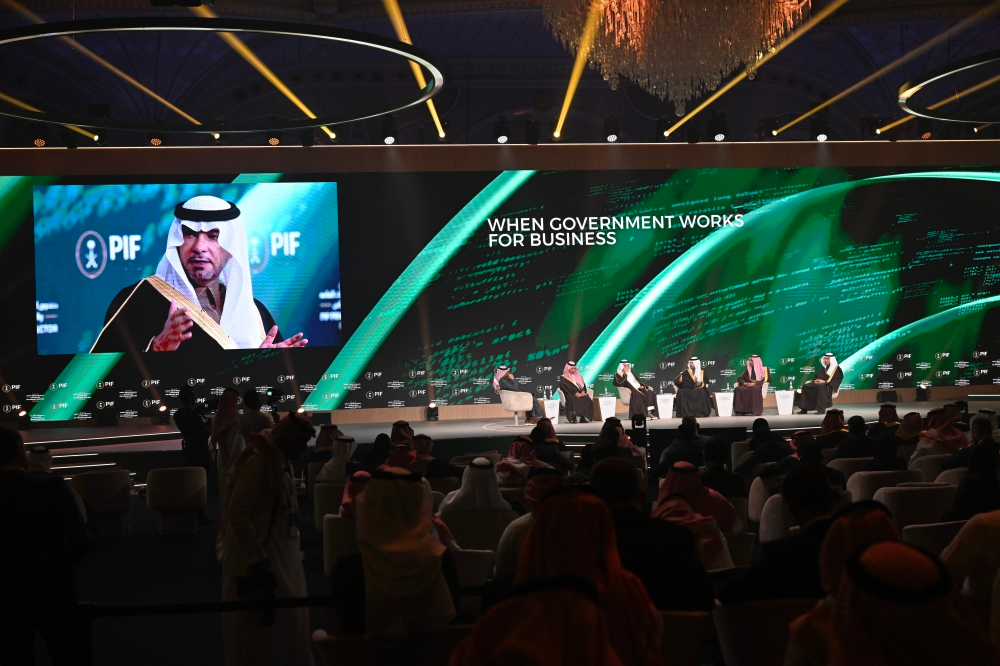
His Excellency the Minister of Municipal and Rural Affairs and Housing, Mr. Majid bin Abdullah Al-Hogail, emphasized the pivotal role of the municipal sector in achieving the goals of Saudi Vision 2030, revealing the immense size of this vital sector, which directly oversees more than 7 million workers and over 970,000 commercial establishments. This came during his participation in a ministerial session within the activities of the “Public Investment Fund and Private Sector Forum,” which aims to strengthen the partnership between the public and private sectors to drive economic development in the Kingdom.
General context: The municipal sector is at the heart of Vision 2030
These statements come within the context of the comprehensive national transformation led by Saudi Vision 2030, which prioritizes improving the quality of life and developing Saudi cities to be among the best in the world. The municipal sector, including its secretariats and municipalities, is considered the cornerstone for realizing these ambitions. Through infrastructure development, urban livability, the provision of green spaces, and the regulation of commercial activities, the sector directly contributes to creating an attractive environment for both residents and investments, thereby reducing dependence on oil and promoting economic diversification.
Strategic pillars for the development of Saudi cities
Al-Haqil explained that the ministry has built its strategy over the past years on five key pillars that closely intersect with the private sector, namely:
- Quality of life in cities: Focus on improving the urban landscape and providing integrated services for residents.
- Urban identity: Preserving the local architectural character while adopting the latest urban planning standards.
- Attracting investment: Facilitating procedures and creating promising investment opportunities for the private sector.
- Urban sustainability: Enhancing the ability of cities to cope with environmental and climate risks and challenges.
- Implementation efficiency: Improving the efficiency of project implementation and ensuring the achievement of desired goals.
The importance of the event and its expected impact
The significance of these figures lies in highlighting the municipal sector not merely as a service provider, but as a major economic partner that opens up vast opportunities for the private sector. Overseeing 7 million workers and nearly 1 million establishments translates into tremendous investment opportunities in operations, maintenance, technology, logistics, and facilities management. The Minister indicated that the volume of direct investment opportunities in the municipal (non-development) sector is expected to exceed 130 billion riyals by 2030, while opportunities in the housing sector will surpass 250 billion riyals, reflecting strong confidence in the maturity of the Saudi market and its ability to attract both domestic and foreign capital.
“Opportunities” platform is a gateway to investment
Al-Haqil highlighted the Ministry's "Opportunities" investment platform, which has successfully attracted over 180,000 investors and resulted in contracts exceeding 13 billion riyals, including those with small and medium-sized enterprises (SMEs). He emphasized that the Ministry is transitioning from traditional contracting models to large-scale, high-impact contracts with strategic partners to ensure the highest levels of quality and efficiency, while providing the private sector with the necessary data to make informed investment decisions.