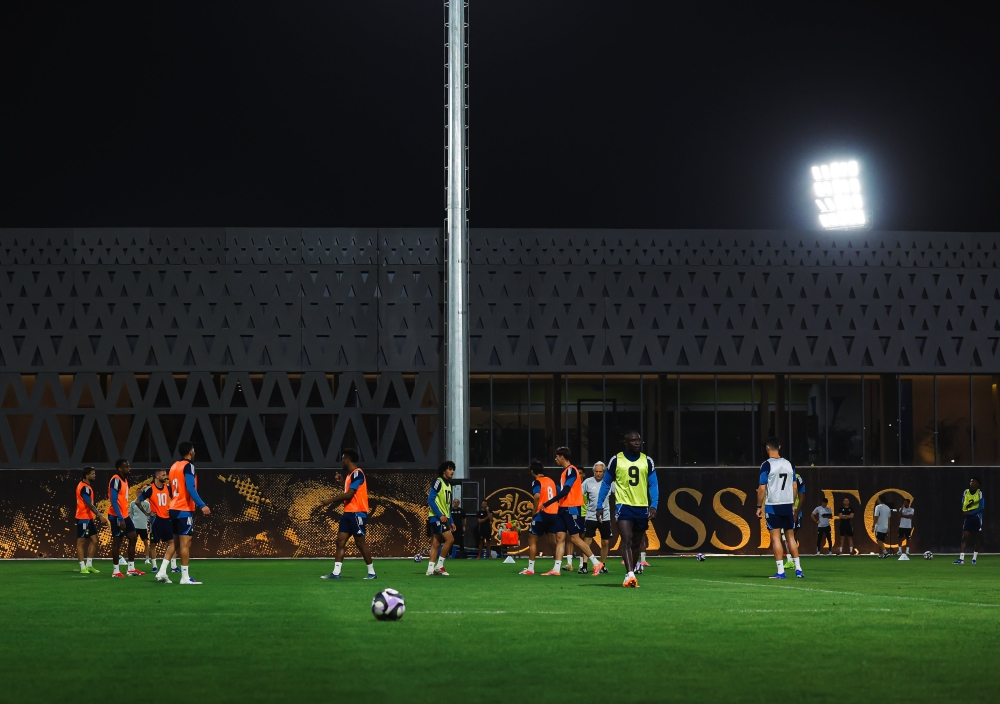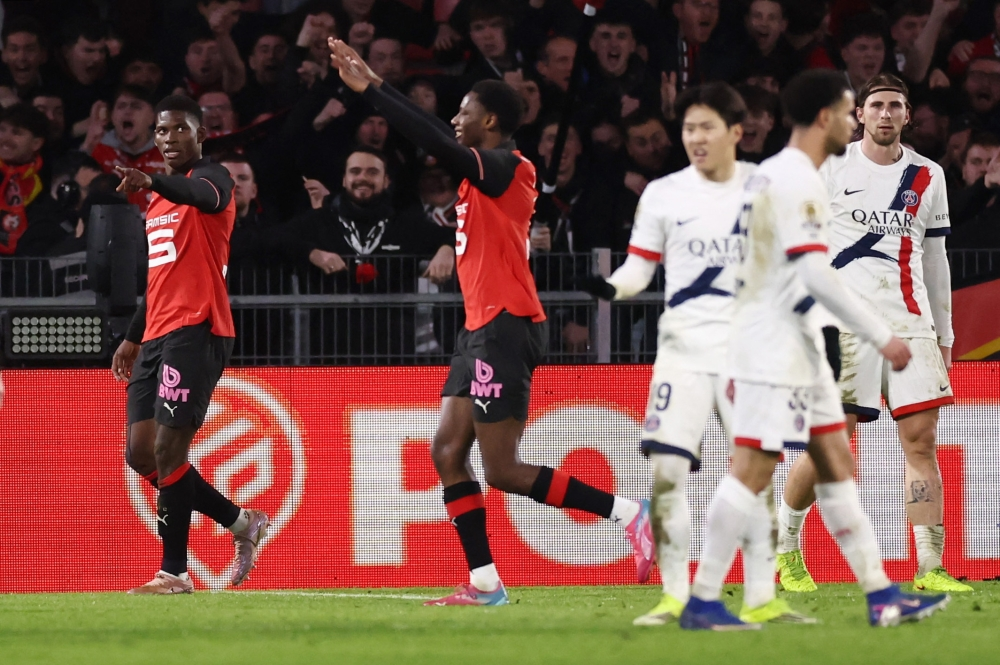
When we speak of beauty in the world of football, Al-Hilal's performance in its matches, particularly in its game against Al-Ettifaq, provides a living example of this concept. The victory wasn't merely three points added to their lead; it was a new chapter in the story of a team accustomed to making the top spot a daily occurrence, not an exceptional event. Here, victory isn't measured solely by the scoreline, but rather as evidence of a balanced vision, a mature project, and a confident composure that knows its way to the podium.
Historical background and context of current hegemony
Al Hilal, nicknamed "The Boss," is known as the most successful club in the history of Saudi Arabia and Asia. Founded in 1957, the club has since built a rich legacy of domestic and continental championships, including record-breaking victories in the Saudi Professional League and the AFC Champions League. This current dominance is not a coincidence, but rather a natural extension of the winning culture deeply ingrained in the club's identity. Amidst the significant transformation of the Saudi Professional League and its attraction of international stars, Al Hilal has proven that success is not solely dependent on big names, but on a comprehensive system and a well-defined sporting project led by Portuguese coach Jorge Jesus, who has successfully built a cohesive and balanced team.
Tactical performance analysis: rationality and composure
Against Al-Ettifaq, Al-Hilal appeared as a team adept at reading the game, knowing when to press, when to slow the pace, and when to secure a victory quietly. Their compact lines, fluid transitions, and precise positioning in well-calculated spaces all reflected the balanced tactics of a coach who delivered a match orchestrated with intelligence as much as physicality. There was no haste or chaos, only a smooth control that made you feel the game was unfolding exactly as the "Leader" wanted. Defensively, Al-Hilal was solid without being reckless, disciplined without being complacent, consciously closing down the center and confidently utilizing the flanks. Offensively, the team wasn't engaged in a reckless race, but rather on a deliberate and gradual path, with sound decisions and a calm finish, as if scoring was a natural consequence of the match's flow, not a surprise.
The importance and impact of winning
This victory transcends being merely a step towards the domestic title. It sends a powerful message to rivals both domestically and continentally that Al-Hilal is not just a team with exceptional players, but a sporting entity that has reached a level of maturity making it the leading contender in every tournament it participates in. Regionally and internationally, with the growing global interest in the Saudi League, Al-Hilal's performance sets a benchmark for professionalism and successful planning, enhancing the reputation of Saudi football and raising expectations. The team's continued comfortable lead at the top of the standings confirms that competing for the title requires more than just good performances; it demands breaking the dominance of a team that knows only the language of victory.
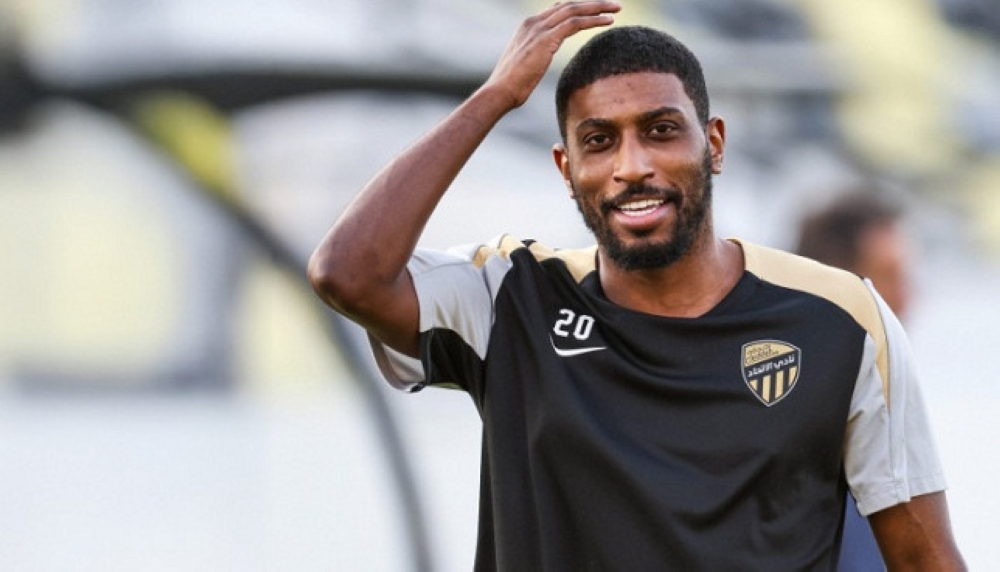
At the heart of this balance stands a name like Mohamed Kanno, a player who doesn't seek the spotlight, yet it comes to him. His presence on the field, his precise passing, and his ability to link the lines have instilled greater confidence in the team. Kanno doesn't shout on the pitch, but he sets the tempo, as if Al-Hilal breathes with steadiness through him. Every match is a new confirmation that this team doesn't play under the pressure of the moment, but rather with a sense of history, understanding that the top spot isn't maintained through impulsiveness, but through composure, and isn't preserved through noise, but through quiet hard work.