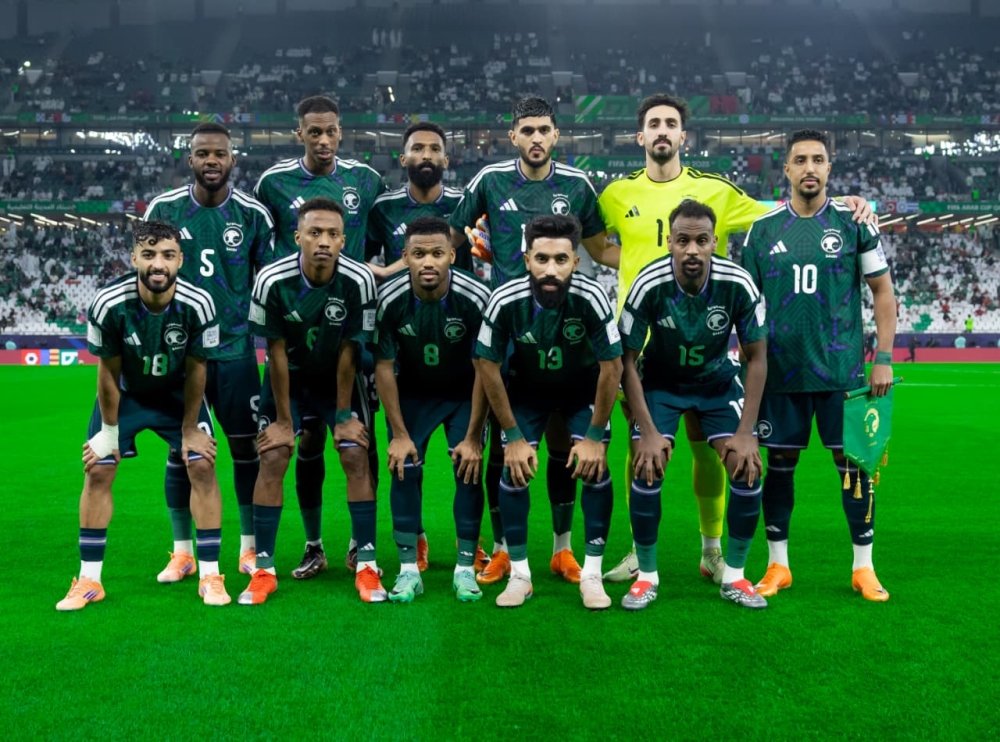
When championships are decided in administrative offices before the opening whistle blows on the pitch, the true difference between a champion club and a fully integrated sports institution becomes clear. It's unfair to reduce Al-Hilal's success story to a single victory or championship; great stories are always deeper than ninety minutes of play and bigger than the name of a coach or a fleeting star. Al-Hilal today is the product of an administrative empire managed with a solid institutional strategy, achieving victory through a professional mindset that knows neither improvisation nor emotional reactions.
While many clubs falter at their first loss, their decisions shifting with the whims of fans on social media, Al-Hilal continues with remarkable consistency, as if they knew the finish line from the very beginning. Decisions at Al-Hilal are not made under the pressure of trending topics, nor is the system affected by hasty reactions. This is where the true distinction lies: the charisma of management with a clear strategic vision. Success is not built on past glories, but rather on planning for the future through a system governed by sound governance and planning, managed with a logic of continuity, not by flashy media headlines.
Historical background: From “the leader” to the institutional model
Al-Hilal's dominance is not a recent phenomenon. Since its founding in 1957, the club has built a reputation as a formidable force in Saudi Arabian and Asian football, earning the nickname "The Leader" due to its more than 65 official titles. What truly distinguishes its journey is its ability to maintain this supremacy across generations of players and management. The secret lies in a culture of administrative stability that has become an integral part of the club's identity. This culture has allowed for the accumulation of experience and the development of long-term strategies, enabling Al-Hilal to adapt to the changing landscape of modern football, including the significant transformation currently underway in the Saudi Professional League.
The importance of the crescent model and its expected impact
Domestically, Al Hilal's management model represents a new benchmark for professionalism in the Saudi league. Under the Public Investment Fund's investment and privatization project for sports clubs, Al Hilal has demonstrated that success lies not only in attracting international stars, but also in building an integrated system capable of integrating them and maximizing their potential. This model is prompting competing clubs to reassess their administrative structures and focus on sustainability rather than temporary solutions.
Regionally and internationally, Al-Hilal's success, particularly in the AFC Champions League, enhances the reputation of Saudi football and solidifies its position as a leading force in the continent. The successful management, capable of handling complex matters such as international signings, talent development, and financial planning, offers a lesson to other Asian clubs aspiring to compete at the highest levels. Al-Hilal's success is not due to luck or media support, but rather to its superior administrative maturity and understanding that modern football is governed by reason before emotion. A team may stumble in a match, which is normal, but it is unnatural for a project built on solid foundations to collapse. Clubs may be defeated, but empires rise stronger.