As temperatures drop and winter arrives, the dish "Huneini" emerges as one of the most prominent and indispensable traditional dishes on the table in the Qassim region, and indeed in large parts of Saudi Arabia. Huneini is not merely a traditional meal that provides warmth and energy; it is a cultural symbol reflecting the value of culinary heritage and telling the story of the connection between people and their land and simple natural resources.
Historical roots and cultural context
Al-Hunaini belongs to the rich Najdi cuisine, originating in a desert environment where its inhabitants relied on locally sourced ingredients with high nutritional value to cope with the harsh climate. The Qassim region, known as the "breadbasket of the Kingdom," has always been renowned for producing the finest dates and whole wheat. From this agricultural abundance, Al-Hunaini emerged as an ingenious solution combining the two most important food elements in the region: dates, a source of energy and natural sugars, and whole wheat bread, a source of carbohydrates and fiber, with the addition of clarified butter, which gives it a rich flavor and healthy fats essential for warmth.
Simple ingredients and complete nutritional value
The Haneeni dish reflects the simplicity of life in the past, as it is prepared with natural ingredients that remain essential even today. It consists primarily of dates, preferably high-quality varieties like Sukkari, along with two thin discs or breads made from whole wheat flour, and clarified butter or ghee. This combination makes it a complete meal rich in vitamins, minerals, and fiber, boosting energy and vitality, and making it an ideal choice for breakfast or dinner during colder days.
From a home practice to a heritage icon
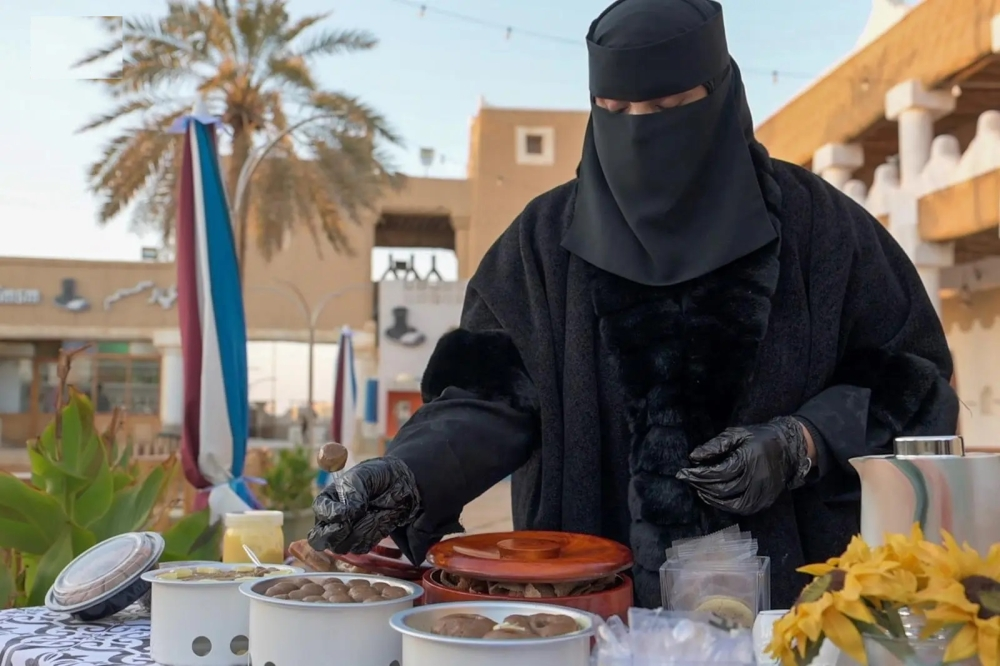
The methods for preparing Haneeni have been passed down through generations as part of family traditions. As chef Umm Sultan mentioned, preparing it used to require considerable effort and time, as it was entirely done by hand. Today, modern appliances such as electric food processors have made the process easier, contributing to its wider popularity while preserving its authentic flavor. Umm Sultan explained that demand for Haneeni increases significantly in winter among all age groups, due to its health benefits and unique taste.
The importance of Al-Hanini and its cultural and touristic impact
Al-Hanini is no longer just a dish served at home; it has become a staple at festivals and heritage events. In this context, Umm Nayef, a regular participant in heritage events, emphasized that Al-Hanini is an integral part of the cultural identity of the Qassim region. She pointed out that participating in these festivals, such as the annual Al-Hanini Festival in Unaizah, helps introduce visitors from within the Kingdom and abroad to this rich heritage, and provides an opportunity for local producers to market their products and support the local economy.
At the national level, promoting such dishes contributes to boosting cultural tourism, a key objective of Saudi Vision 2030, which aims to highlight the country's rich national heritage. Haneeni is not just food; it's a complete cultural experience that reflects Saudi hospitality and the authenticity of local cuisine.
In conclusion, Al-Hanini remains a living example of how food heritage has preserved its identity over time, adapting to the present without losing its authenticity, confirming that cuisine is one of the most important tributaries of culture and a preserver of peoples' memory.