With the arrival of winter, the Qassim region dons a special attire, blending the cold weather with the warmth of social customs. This season marks an annual occasion to revive authentic folk traditions. At the forefront of this scene stands the "farwa," an indispensable winter icon, transcending its primary function of protection from the cold to become a symbol of cultural identity and an integral part of desert camping trips and evening gatherings around the campfire.
A rich history confronts the harshness of winter
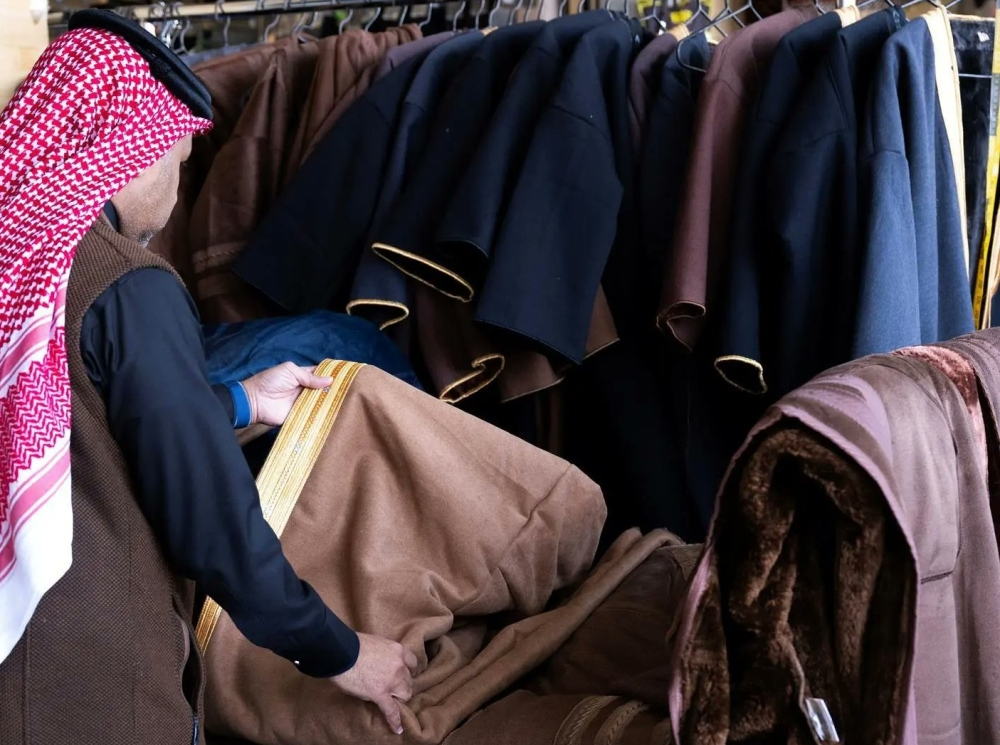
The fur coat (farwa) becomes essential with the arrival of the "Marba'aniyah" season, the period of intense cold in the Arabian Peninsula. Historically, the fur coat was more than just a garment; it was the Bedouin's constant companion, a shield against the harsh desert winds. Designed with ingenuity to suit the open environment, the fur coat was meticulously handcrafted to provide the necessary thermal insulation for shepherds and travelers, making it an indispensable item for survival and work in challenging climatic conditions.
A variety of materials: from luxurious "parasitic" to practical
The fur industry in the Qassim markets and the Kingdom in general varies based on the materials used, creating a difference in prices and quality:
- Natural fur: At the top of the list is “parasitic fur”, which is made from the wool of young sheep. It is the most expensive and in demand for prestige and high warmth, followed by Iraqi, Syrian and local Naeemi wool.
- Artificial fur: This is a practical and economical option that has recently become popular. It is characterized by its light weight and variety of colors, making it accessible to all segments of society.
Earthy colors inspired by the desert environment of Al-Qassim dominate this industry, such as brown in its various shades, black, beige, and white, reflecting a visual harmony with the sandy nature of the region.
Between authenticity and contemporary fashion
Fur coats are no longer confined to outdated, classic designs; in recent years, they have undergone a remarkable evolution, making them a popular choice for young people, women, and even children. Designers have introduced modern touches, including:
- Adding traditional motifs and patterns (Sadu) to the sleeves and collars.
- Use a variety of outer fabrics such as felt, velvet and suede.
- The haircuts are modified to suit modern tastes and everyday use within cities, not just on road trips.
Social and economic symbolism
Socially, gifting a fur coat (farwa) in Qassim and throughout Saudi Arabia is a sign of appreciation and affection. It is often given to the elderly as a gesture of respect, or to friends as an expression of generosity. Economically, the winter season revitalizes the markets for rugs, cloaks, and tailors in Qassim, with a significant increase in demand. This stimulates commerce and provides seasonal income for artisans and merchants, confirming that this cultural heritage remains vibrant and is renewed with each winter.