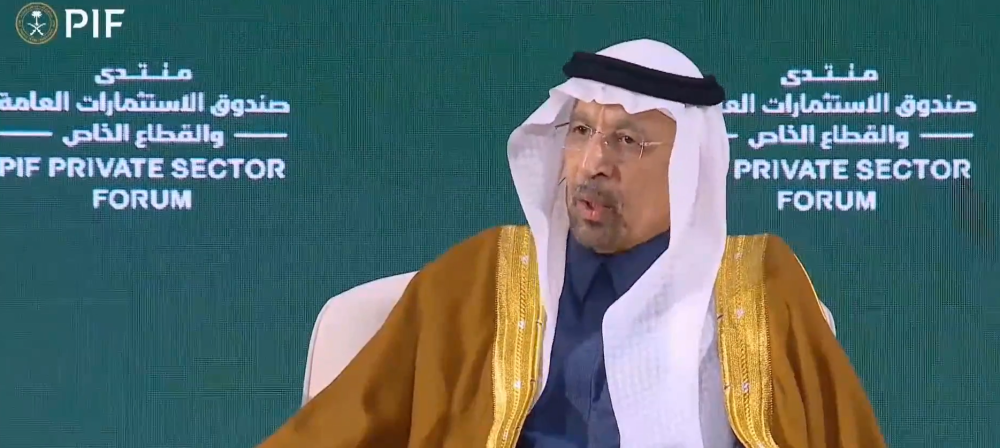
Minister of Investment and Chairman of the Board of Directors of the Economic Cities and Special Zones Authority, Khalid bin Abdulaziz Al-Falih, affirmed that the Saudi Cabinet's approval of the regulatory bylaws for special economic zones is a pivotal milestone in the national economy's journey and a crucial step towards solidifying the Kingdom's position as a global investment destination. Al-Falih explained that these bylaws, scheduled to take effect at the beginning of April 2026, reflect the wise leadership's commitment to developing a flexible and stimulating legislative environment that aligns with international best practices.
Strategic context within Vision 2030
This step culminates the Kingdom's ongoing efforts since the launch of Vision 2030, which aims to diversify national income sources and reduce dependence on oil. Special economic zones fall under the initiatives of the National Investment Strategy, launched by His Royal Highness the Crown Prince, to boost foreign direct investment. Historically, the Kingdom has sought to develop its legislative and logistical infrastructure to serve as a hub connecting three continents, and the enactment of these regulations is a crucial step in translating strategic plans into tangible realities that benefit both local and international investors.
Target areas and expected economic impact
The decision included approval of the regulatory frameworks for vital economic zones, including: the Jazan region, the cloud computing and information technology zone, King Abdullah Economic City, and Ras Al-Khair region. The activation of these zones is expected to have a wide-ranging economic impact, not only locally but also regionally and internationally, through:
- Strengthening global supply chains: by leveraging the Kingdom’s geographical location and its advanced logistics zones.
- Localization of advanced technologies: especially in the cloud computing area, which enhances the region's digital infrastructure.
- Creating quality job opportunities: New investments will contribute to generating jobs that require high skills for national cadres.
Unprecedented investment incentives
The Minister of Investment pointed out that the new regulations include a package of incentives and competitive advantages carefully designed to attract major international companies. These advantages include specific tax and customs exemptions, streamlined operational procedures that ensure rapid business setup, and high flexibility in foreign ownership percentages. The regulations also incorporate flexible Saudization frameworks tailored to the nature of specialized economic activities in these regions, as well as allowing the use of multiple languages for trade names and exemptions from certain provisions of the Companies Law, thus removing bureaucratic obstacles for investors.
Integrated organizational system
Al-Falih concluded his statement by emphasizing that these regulations are part of an integrated system based on clear responsibilities and complementary roles among government entities, ensuring a smooth investment journey from licensing to full operation. The Minister expressed his deepest gratitude and appreciation to the Custodian of the Two Holy Mosques, King Salman bin Abdulaziz, and to His Royal Highness Crown Prince Mohammed bin Salman – may God protect them – for their unwavering support of the investment sector, which has become a cornerstone in building a sustainable economic future for the Kingdom.