أعلنت هيئة التراث عن انطلاق فعاليات “مهرجان البشت الحساوي”، الذي يحتضنه قصر إبراهيم الأثري في قلب الأحساء، ليأخذ زواره في رحلة ثقافية غامرة تستعرض الإرث العريق لواحدة من أبرز الحرف اليدوية في المملكة العربية السعودية. لا يقتصر المهرجان على كونه حدثًا ترفيهيًا، بل هو منصة حية تحتفي بتاريخ صناعة البشوت التي ارتبطت بالفخامة والأصالة في الثقافة الخليجية، مقدمًا تجربة متكاملة تجمع بين الحرفية والفن والتاريخ.
خلفية تاريخية وأهمية البشت الحساوي
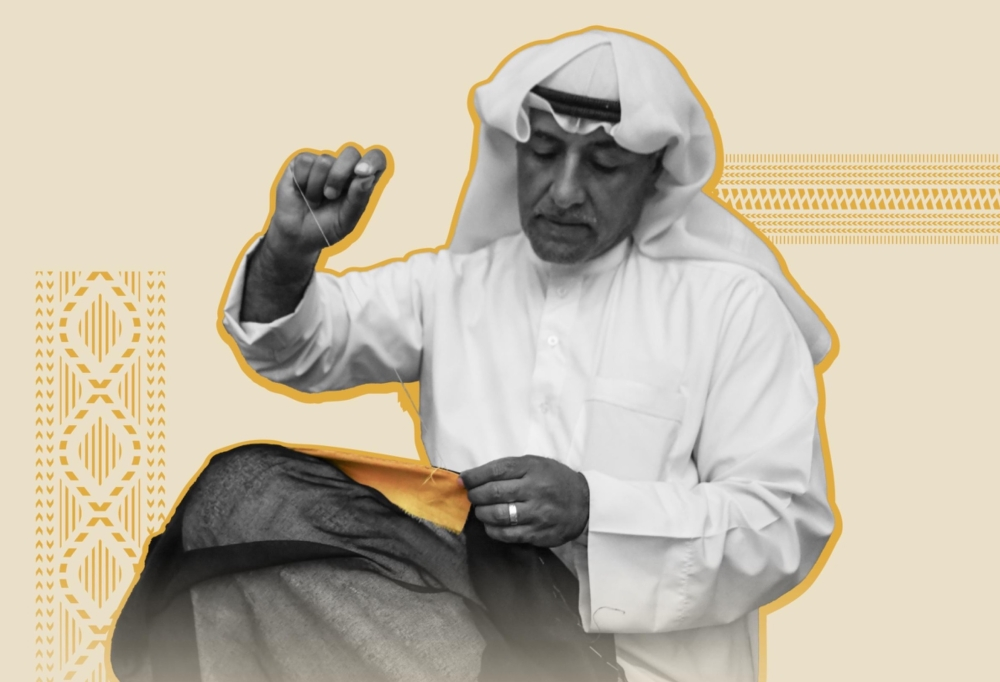
يعود تاريخ حياكة البشت في منطقة الأحساء إلى قرون طويلة، حيث برع الحرفيون المحليون في هذه الصناعة الدقيقة، مما جعل “البشت الحساوي” علامة فارقة في الجودة والإتقان. يُصنع البشت تقليديًا من وبر الإبل أو صوف الماعز، وتتطلب حياكته مهارة فائقة وصبرًا طويلًا، خاصة في مرحلة تطريز “الزري”، وهي الخيوط الذهبية أو الفضية التي تزين أطرافه وتضفي عليه رونقًا خاصًا. لم يكن البشت مجرد رداء، بل رمزًا للمكانة الاجتماعية والوجاهة، وكان ارتداؤه حكرًا على الأمراء والملوك والشخصيات البارزة في المناسبات الرسمية والاحتفالات الكبرى، وهو ما أكسبه قيمة تاريخية وثقافية عميقة.
تأثير المهرجان وأبعاده الثقافية والاقتصادية
يحمل المهرجان أهمية كبرى على عدة مستويات. فعلى الصعيد المحلي، يسهم في الحفاظ على هذه الحرفة التراثية من الاندثار من خلال تسليط الضوء على الحرفيين ودعمهم، وتشجيع الأجيال الجديدة على تعلم أسرارها. كما يعزز السياحة الداخلية، مستقطبًا الزوار إلى الأحساء، التي أُدرجت ضمن قائمة اليونسكو للتراث العالمي. أما إقليميًا، فيؤكد المهرجان على الروابط الثقافية المشتركة بين دول الخليج، حيث يمثل البشت جزءًا لا يتجزأ من هويتهم. ودوليًا، يقدم المهرجان نافذة للعالم للتعرف على جانب أصيل من الثقافة السعودية، بما يتماشى مع أهداف رؤية المملكة 2030 الرامية إلى إبراز التراث الوطني الغني وتعزيز الصناعات الثقافية.
فعاليات متنوعة وتجربة متكاملة
يقدم المهرجان لزواره باقة غنية من الأنشطة التي تناسب جميع الأعمار والاهتمامات. يتصدرها “معرض البشت الحساوي” الذي يستعرض مراحل صناعة البشت وأنواعه المختلفة، و”قاعة نوادر البشوت” التي تضم قطعًا تاريخية فريدة. كما تتيح “منطقة الحرف اليدوية” للزوار التفاعل المباشر مع الحرفيين ومشاهدتهم أثناء عملهم. وتوفر “منطقة ورش العمل” فرصة لتعلم أساسيات هذه الحرفة. وتكتمل التجربة بأجنحة الدول المستضافة التي تعرض تقاليدها في صناعة العباءات والأردية المشابهة، مما يخلق حوارًا ثقافيًا فريدًا. يستمر المهرجان في استقبال زواره حتى السابع من فبراير، ليكون شاهدًا على إرث حي يتجدد.