Madinah hosts the 46th session of the Al-Barakah Symposium on Islamic Economics
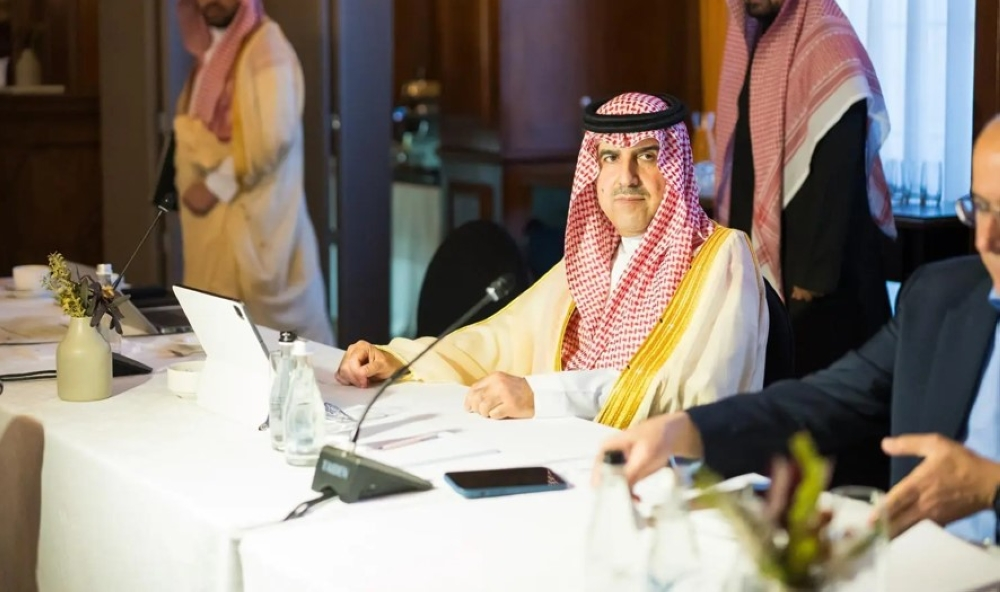
Madinah will host the 46th Al Baraka Symposium on Islamic Economics, held under the theme “The Charitable Sector in the Islamic Economy: Towards a New Future.” This prominent international event, organized by the Al Baraka Forum for Islamic Economics, will take place from February 9-11, 2026, at Prince Muqrin bin Abdulaziz University, with the participation of a wide range of experts, decision-makers, academics, and representatives of financial and development institutions from 18 countries worldwide.
A strong historical background and a well-established institutional vision
The Al Baraka Symposium on Islamic Economics is one of the world's oldest and most prestigious intellectual platforms specializing in this field, with a history spanning over four decades. It was founded on the vision of the late Sheikh Saleh Abdullah Kamel, a pioneer of Islamic economics, who believed that Islamic economics is not merely a set of financial transactions, but rather a comprehensive civilizational project grounded in ethical values and aimed at achieving sustainable development and serving humanity. This current session continues this established vision, focusing on one of the most important pillars of this economic system: the charitable and developmental sector.
The importance of the charity and benevolence sector as an economic pillar
The 46th edition of the symposium focuses on redefining and re-establishing the role of the charitable sector, not as a purely supplementary or philanthropic activity, but as an active economic component and a key driver of development. Participants discuss how to activate the sector's established tools, such as zakat, waqf, sadaqah, and interest-free loans, to promote social stability and achieve economic justice. These tools contribute to wealth redistribution, poverty alleviation, and the financing of vital projects in education, health, and infrastructure, making it a productive sector with a profound and sustainable economic and social impact.
Expected impact at the local and international levels
The symposium holds particular significance at the local level, as its objectives align with the goals of Saudi Vision 2030, which places great emphasis on developing the non-profit sector and increasing its contribution to the GDP. Internationally, this gathering of experts presents a unique opportunity to exchange experiences and develop innovative models for Sharia-compliant social finance that can be applied to address global economic challenges. The discussions aim to produce practical recommendations that contribute to strengthening the integration between Islamic financial institutions and non-profit organizations to achieve the United Nations Sustainable Development Goals.
Supporting innovation and empowering youth for a new future
The symposium places particular emphasis on the future of Islamic economics by supporting innovation and empowering a new generation of researchers and pioneers. Its activities include scholarly sessions and practical workshops that focus on developing charitable and philanthropic tools and linking them to modern financial technologies (FinTech) to enhance their efficiency and transparency. The symposium also continues to support young researchers through specialized programs such as the "Young Researchers Hosting Grant" and the "Bridges of Research and Application" session, which aim to connect academic research with practical realities and ensure the graduation of a new generation capable of continuing the development of this important field of knowledge.