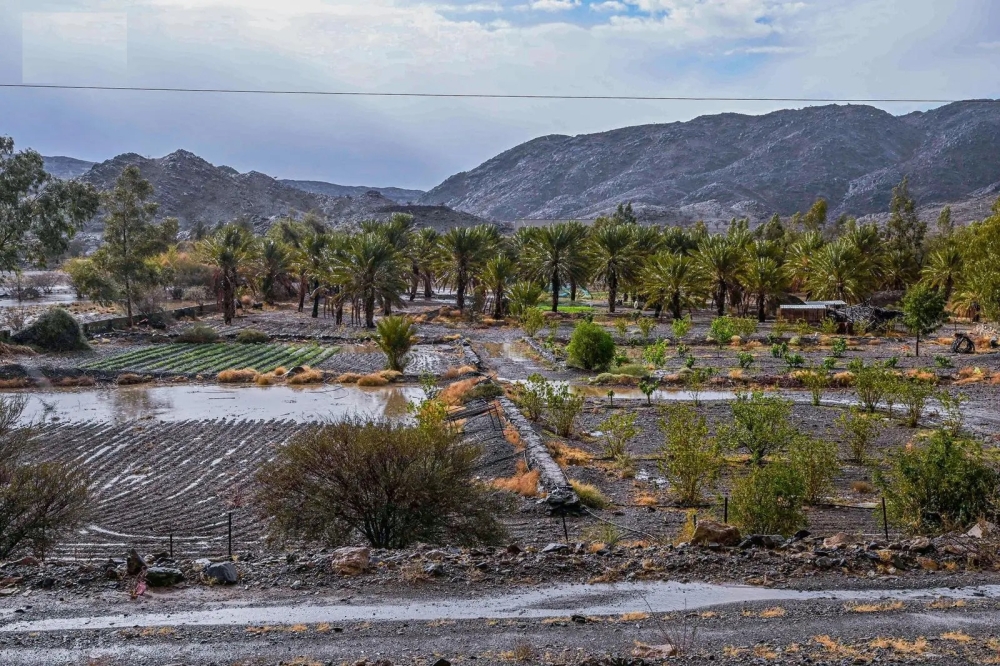
The Al-Baha region witnessed moderate to heavy rainfall coinciding with the first day of Eid al-Fitr, adding a special touch to the celebrations. The rain significantly refreshed the atmosphere, encompassing Al-Baha city and several of its governorates, leading to the flow of valleys and streams and saturating the land. Agricultural terraces and mountain peaks were adorned with renewed vegetation, creating a breathtaking natural scene that delighted onlookers and amplified the joy of Eid.
Climatic context and rainfall history in Al-Baha
The Al-Baha region is characterized by its temperate climate and mountainous terrain, making it one of the most prominent destinations for seasonal rainfall in Saudi Arabia. Historically, Al-Baha's rainfall is an integral part of the region's climatic identity, influenced by seasonal winds and the high elevations that facilitate cloud condensation and rainfall at various times of the year. This annual recurrence of rainfall is not a fleeting event, but rather a natural cycle upon which the region has relied for centuries to maintain its ecological balance, replenish groundwater, and sustain the wildlife that characterizes the Sarawat Mountains.
Positive impacts on agriculture and water resources
The region's farms and oases have witnessed a remarkable revival thanks to these rainfalls, with agricultural lands appearing greener and more vibrant. Amidst cloudy skies that helped moderate temperatures, residents and visitors alike enjoyed the rainy weather, which lent an exceptional character to the Eid celebrations. These rains play a vital role in bolstering the region's strategic water resources, contributing to raising the water levels in the dams upon which the region relies for drinking and irrigation. Furthermore, the historic agricultural terraces, for which the region is renowned for cultivating pomegranates, grapes, and almonds, directly benefit from this natural irrigation, positively impacting the quality of local crops and supporting the agricultural economy.
The tourism and economic importance of the region
On both local and regional levels, the importance of this climate is evident in its role in stimulating tourism. With the formation of seasonal waterfalls on the mountain slopes and the flow of streams, Al-Baha transforms into an attractive tourist destination, drawing visitors from within the Kingdom and neighboring Gulf countries. This influx of tourists boosts the region's economy, revitalizing local markets and increasing occupancy rates in accommodations and hotels. The scenery, reflecting the region's rich natural beauty, makes it a preferred choice for those seeking ecotourism and an escape from the hustle and bustle of major cities and high temperatures.
Field efforts to ensure public safety
In light of these conditions, the relevant authorities have launched intensive field operations to closely monitor the rainfall. Efforts have focused on ensuring the readiness of stormwater drainage networks and addressing any water accumulation on main and secondary roads to guarantee smooth traffic flow. In addition, the highest level of preparedness has been activated to deal with any emergency, and awareness messages have been disseminated to citizens and residents, urging them to stay away from valleys and floodplains to ensure the safety of lives and property and allow everyone to enjoy the festive atmosphere and the beautiful natural surroundings in complete safety.