As temperatures drop and winter approaches, traditional Al-Ahsa dishes take center stage in the Eastern Province, becoming a favorite choice for both locals and visitors. These dishes are more than just meals; they are an integral part of Al-Ahsa's rich cultural heritage, blending time-honored traditions with high nutritional value that provides the body with warmth and energy to combat the cold weather.
Historical background: A cuisine born from the oasis
Al-Ahsa, listed as a UNESCO World Heritage Site as “Al-Ahsa Oasis, Evolving Cultural Landscape,” boasts a rich agricultural history spanning thousands of years. This agricultural heritage, embodied in millions of date palms and the cultivation of the unique Al-Ahsa rice variety, has shaped the identity of the local cuisine. Ancestors created dishes based entirely on fresh, local ingredients, such as dates and date syrup, Al-Ahsa rice, and whole wheat (burr), to provide sustainable meals that offer energy and warmth. These recipes have been passed down through generations and have become a symbol of the region's generosity and hospitality.
The most famous winter dishes and their impact
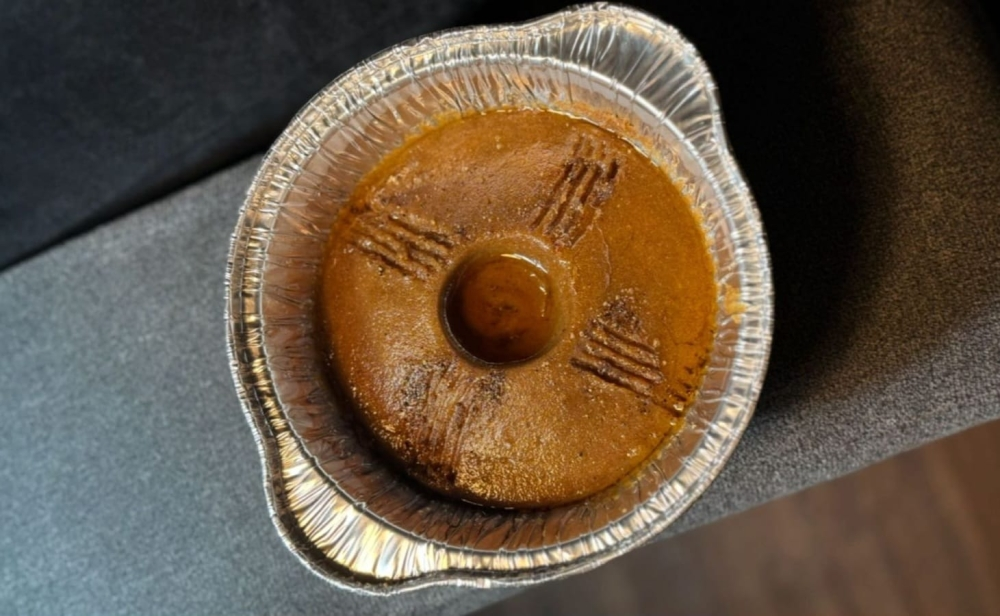
Among these dishes stand out are iconic varieties that are experiencing a significant increase in demand both within Al-Ahsa and beyond, from various regions of the Kingdom and the Gulf countries. These include Al-Ahsa rice, porridge, jareesh, harees, and marqooq. Fahd Al-Mulhem, an expert in traditional cuisine, affirms that “winter dishes vary from one region to another in the Kingdom, but Al-Ahsa is distinguished by a great diversity in its traditional dishes.” He added, “One of the most famous winter dishes in Al-Ahsa is Al-Ahsa porridge, which is prepared from whole wheat flour and date syrup. Some also add whole dates, cow fat, and pepper to give it a richer flavor and higher nutritional value.”.
Besides porridge, other dishes are widely popular, such as mabsal, qurs al-hanini, harees, marqooq, mufallaq, jareesh, and qurs al-aqeeli, dishes deeply rooted in local history. Also popular are the red Hasawi bread (date bread) baked in a tandoor oven, and trotters, which are in high demand during winter for their warming properties.
The warmth of the taste revitalizes tourism and the economy
These dishes not only provide warmth but have also become a major driver of winter tourism in Al-Ahsa. Tour guide Sultan Al-Bu Ali confirms that “many visitors to Al-Ahsa and tourists are keen to inquire about the traditional dishes for which the region is famous.” He adds that the locally grown red rice of Al-Ahsa is a unique attraction, drawing visitors not only to taste it but also to visit the farms and learn about its production processes, and then enjoy it at heritage sites such as the historic Al-Qaysariyah Market.
This increased demand is having a positive impact on the local economy. Zakaria Al-Qattan, a shop owner, explains, “The demand for Al-Ahsa rice increases significantly during the winter months, with the price per kilogram ranging between 24 and 25 riyals.” There is also a rising demand for Saudi whole wheat flour, used in preparing porridge and flatbread, as well as for harees, jareesh, roasted mufallaq, and special spices sourced from within Al-Ahsa and beyond, including neighboring Gulf countries.
Mishari Saad, a visitor from Riyadh, points out that “Al-Ahsa is distinguished in a remarkable way by its diverse winter dishes, foremost among them Al-Ahsa rice, porridge, jareesh and harees, in addition to dishes related to dates,” making it a unique destination for lovers of heritage and authentic taste.