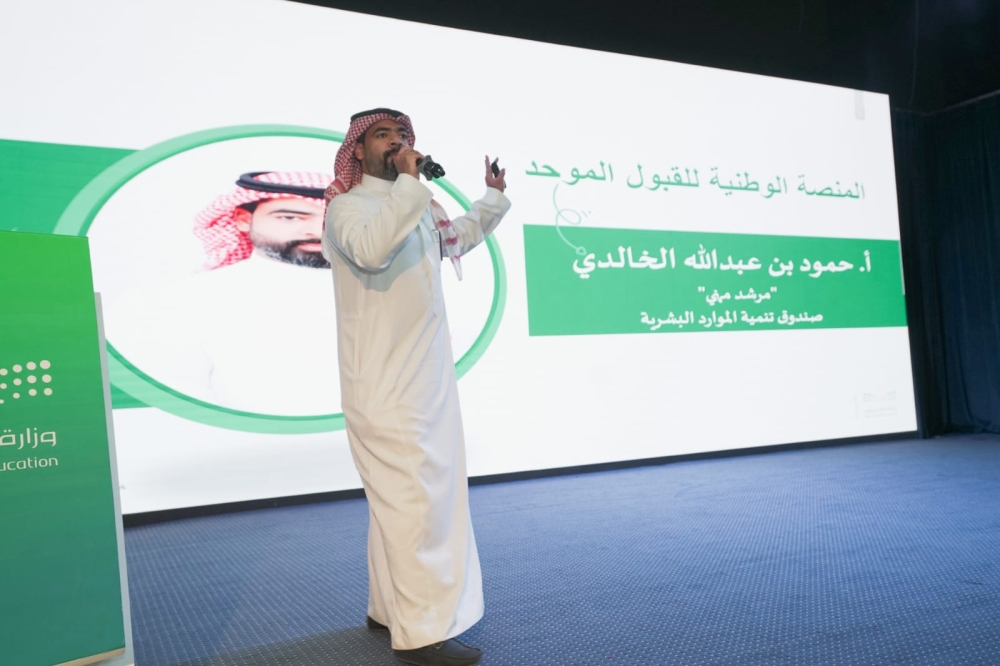
In a strategic move aimed at aligning educational outcomes with the demands of the future labor market, the General Directorate of Education in Al-Ahsa Governorate launched an intensive program to reorient the educational paths of approximately 600 male and female students. This program, which includes eight specialized workshops to assess aptitudes and abilities, is part of national efforts to implement the new pathways system in secondary education, a key pillar of educational development in the Kingdom of Saudi Arabia.
Historical background and general context: The shift towards a knowledge economy
This initiative comes within the context of the comprehensive transformation underway in the Kingdom's education sector, which lies at the heart of Saudi Vision 2030. After decades of reliance on the traditional education system, the leadership recognized the importance of building a generation equipped with the skills necessary for the 21st century. Hence, the "Pathways System" was launched as an alternative to the semester and course system, aiming to provide students with more specialized options that align with their aspirations and interests. The system aims to bridge the gap between academic education and the actual needs of the labor market, contributing to achieving sustainable development and diversifying the national economy.
The importance of the program and its expected impact
The importance of the Al-Ahsa Education Program lies in its practical application of this vision at the local level. Through eight workshops, students are equipped with the tools to discover their passions and strengths, enabling them to make informed decisions about their educational and career paths. This early guidance helps reduce academic failure and dropout rates, and increases student satisfaction as they study in fields that align with their genuine interests.
Locally, the program is expected to contribute to preparing qualified graduates from Al-Ahsa Governorate, capable of competing in the local and national labor market. Regionally and nationally, the success of such initiatives strengthens the Saudi education system as a whole and provides a model that can be implemented in other regions. It also serves the state's strategic objectives of reducing unemployment rates, increasing Saudization in vital sectors, and achieving the goals of the Human Capital Development Program, one of the most prominent programs of Vision 2030. Enabling 600 students to choose the right path is not just a number; it is a direct investment in the future of the nation and its young talent.