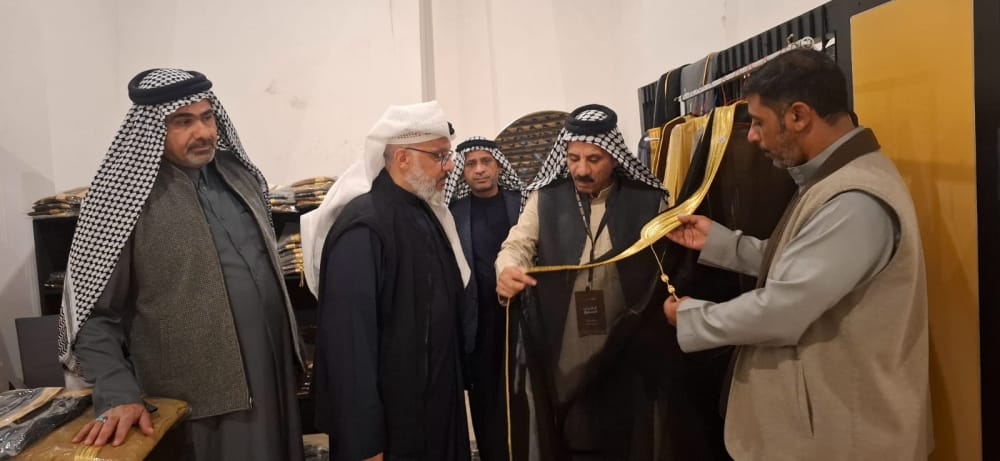
في خطوة تاريخية تكرس مكانة الأحساء كعاصمة للتراث والثقافة، انطلقت النسخة الثالثة من “مهرجان البشت الحساوي” في قلب قصر إبراهيم التاريخي، لتتحول من مجرد فعالية محلية إلى احتفالية عالمية ذات أبعاد ثقافية عميقة. وأكد محمد المطرودي، مدير فرع هيئة التراث بالأحساء، أن هذه النسخة تمثل محطة فاصلة، إذ تتزامن مع الإنجاز الوطني الكبير المتمثل في تسجيل “البشت الحساوي” ضمن القائمة التمثيلية للتراث الثقافي غير المادي لدى منظمة اليونسكو، وهو ما ينقل هذه الحرفة اليدوية الدقيقة من إرث محلي إلى تراث إنساني عالمي.
خلفية تاريخية وأهمية ثقافية للبشت الحساوي
يعتبر البشت، أو المشلح، رمزاً للأصالة والوجاهة في الثقافة العربية والخليجية على مر العصور. وهو عباءة رجالية فاخرة تُرتدى فوق الثوب في المناسبات الرسمية والاجتماعية الهامة، وترتبط ارتباطاً وثيقاً بالفروسية والكرم والقيادة. وتشتهر الأحساء، وهي إحدى مواقع التراث العالمي لليونسكو ومدينة مبدعة في مجال الحرف والفنون الشعبية، بصناعة أفخر أنواع البشوت يدوياً، حيث يتميز “البشت الحساوي” بدقة حياكته وجودة خاماته، وخيوط الزري الذهبية أو الفضية التي تُطرز يدوياً بمهارة فائقة تتوارثها الأجيال. هذا الإرث الحرفي العريق هو ما أهّله للحصول على الاعتراف الدولي من اليونسكو.
تأثير الاعتراف الدولي وإحياء “الدفة النسائية”
إن إدراج البشت في قائمة اليونسكو لا يمثل تكريماً للماضي فحسب، بل هو استثمار في المستقبل. يعزز هذا الاعتراف الوعي العالمي بأهمية الحرف اليدوية السعودية، ويفتح آفاقاً اقتصادية جديدة للحرفيين المحليين، كما يشجع الأجيال الشابة على تعلم هذه المهنة والحفاظ عليها من الاندثار. وفي هذا السياق، كشف المطرودي أن المهرجان نجح في تحقيق إنجاز لافت آخر، وهو إحياء “بيت الدفة النسائية”، وهي عباءة تقليدية كانت ترتديها النساء في الأحساء واختفت منذ ما يقارب ستين عاماً. وقد تمت إعادة هذا الزي التراثي إلى الحياة عبر مشروع توثيقي دقيق بالتعاون مع دارة الملك عبدالعزيز وجمعيات محلية، لتعود “الدفة” كشاهد حي على عراقة وأناقة الأزياء النسائية في المنطقة.
فعاليات مبتكرة ومشاركة دولية
لم يقتصر المهرجان على العرض التقليدي، بل قدم تجارب ثقافية متكاملة. فقد أشار المطرودي إلى اعتماد أسلوب “التجربة الغامرة” التي تدمج التقنيات الرقمية مع جماليات الحرفة، مما يتيح للزوار التفاعل مع مراحل صناعة البشت بطريقة مبتكرة. كما اكتسبت الفعاليات صبغة دولية بمشاركة ست دول، مما حول ساحات قصر إبراهيم إلى منصة للحوار الحضاري وتبادل الخبرات الحرفية. ولضمان استمرارية هذا الإرث، خُصص ركن “المعزب الصغير” لتعليم الأطفال أساسيات التراث من خلال ورش عمل وقصص تفاعلية، لغرس بذور الهوية الوطنية في نفوسهم.
حظيت هذه التظاهرة الثقافية برعاية كريمة من صاحب السمو الملكي الأمير سعود بن نايف بن عبدالعزيز، أمير المنطقة الشرقية، وبحضور وتشريف نائبه وعدد من كبار المسؤولين، مما يعكس الدعم الرسمي الكبير لملف التراث. وشهد حفل الافتتاح عروضاً مبهرة لطائرات “الدرون” رسمت في سماء الأحساء لوحات ضوئية تروي قصة البشت ومكانته كرمز للفخر والكرم السعودي الأصيل.