Arab cultural forum in the heart of Al-Ahsa
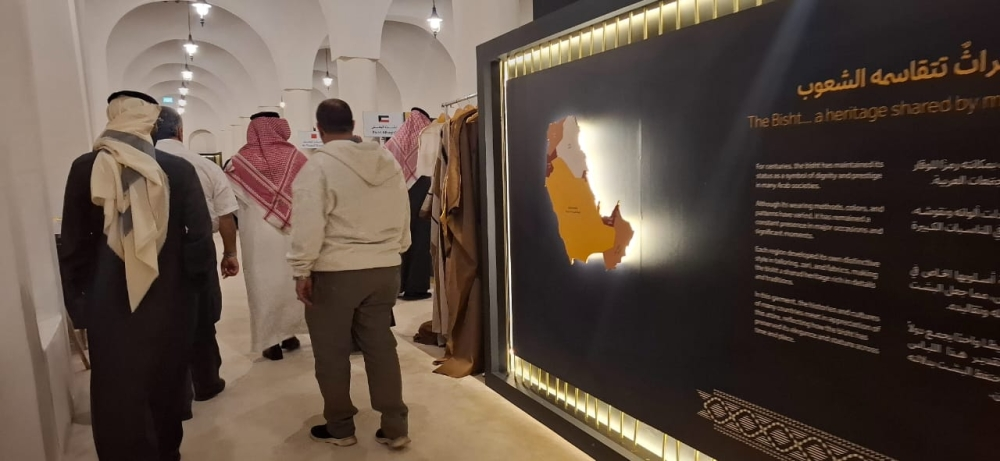
In a unique cultural event, the Saudi Heritage Commission solidified the Kingdom's position as a custodian of authentic Arab heritage by organizing the "Al-Ahsa Bisht Festival" at the historic Ibrahim Palace in Al-Ahsa. The festival attracted wide participation from five leading Arab countries in this craft: Saudi Arabia, Iraq, Bahrain, Kuwait, Qatar, and Syria, reaffirming Al-Ahsa's historical prominence as the birthplace of this luxurious traditional industry, which unites the region under a shared cultural heritage.
The rich history of the Al-Ahsa bisht and its cultural significance
The bisht, or men's cloak, is a symbol of elegance and prestige in Arab culture, particularly in the Gulf region, where it is worn on important formal and social occasions. Al-Ahsa boasts a long and distinguished history of hand-weaving the bisht, a craft passed down through generations and requiring exceptional precision and skill. This has earned the "Al-Ahsa bisht" international renown for its superior quality and unique designs. This rich heritage was further recognized in December 2020 when Al-Ahsa bisht weaving was inscribed on UNESCO's Representative List of the Intangible Cultural Heritage of Humanity, an international acknowledgment of its cultural and human value.
The importance of the event and its global impact
The influence of the bisht wasn't limited to the local or regional sphere; it reached a remarkable global level during the closing ceremony of the 2022 FIFA World Cup in Qatar, when Argentine star Lionel Messi was draped in a luxurious bisht while lifting the trophy – a historic moment witnessed by billions worldwide. This event highlighted the bisht's profound symbolic value as a token of appreciation and respect. The Al-Ahsa Bisht Festival further enhances this status, serving as a vital platform for artisans to exchange expertise, pass on the secrets of the craft to new generations, and support the local economy by promoting cultural tourism.
Craftsmen's Certificates: Authenticity and Development
The participants agreed that the festival represents an exceptional opportunity to showcase their authentic products to a discerning audience, thus enhancing the presence of traditional Arab dress in the contemporary cultural scene.
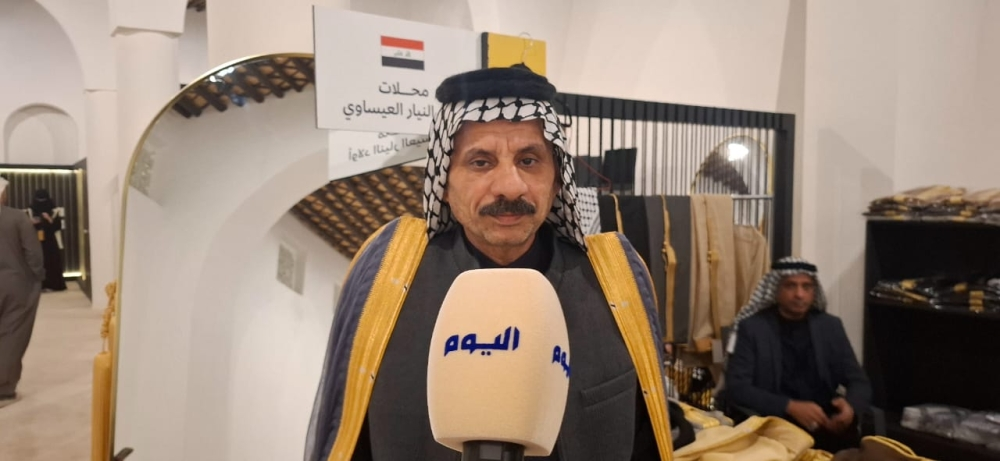
- Iraq: Iraqi trader Hassan Al-Niyar revealed the depth of the artistic ties between the Najafi abaya and the Hasawi bisht, pointing out the similarity of the precise hand-sewing techniques, which reflects the unity of the cultural roots between the two countries.
- Bahrain: Hussain Al-Youssef, a descendant of a family that has practiced the craft since 1939, confirmed that the Bahraini bisht is a historical extension of the Hasawi origin, pointing to the success of Bahraini craftsmen in developing “Zari” patterns and introducing modern colors such as “beige” and “grey” while preserving the identity.
- Syria: Syrian merchant Sadiq Baalbeki considers Al-Ahsa the "legitimate mother" of bisht making, expressing his pride in its inclusion on the UNESCO list. He noted the distinctive "royal pattern" of the Syrian bisht, featuring red lines and greenish-tinged zari thread.
- Kuwait: Kuwaiti trader Farid Al-Baghli stressed that the craftsmen of Al-Ahsa were the ones who transferred the secrets of the craft to neighboring countries, pointing to the Kuwaiti achievement represented in entering the Guinness Book of Records by weaving the largest bisht in the world with a length of nearly 17 meters.
- Qatar: Qatari trader Ali Al-Yousef concluded by emphasizing the commitment of craftsmen in Qatar to preserving the “old Al-Hasawi style” that was worn by kings, while ensuring the use of the finest types of zari (German and French) and fabrics (Japanese and English) to offer a product that combines luxury and authenticity.