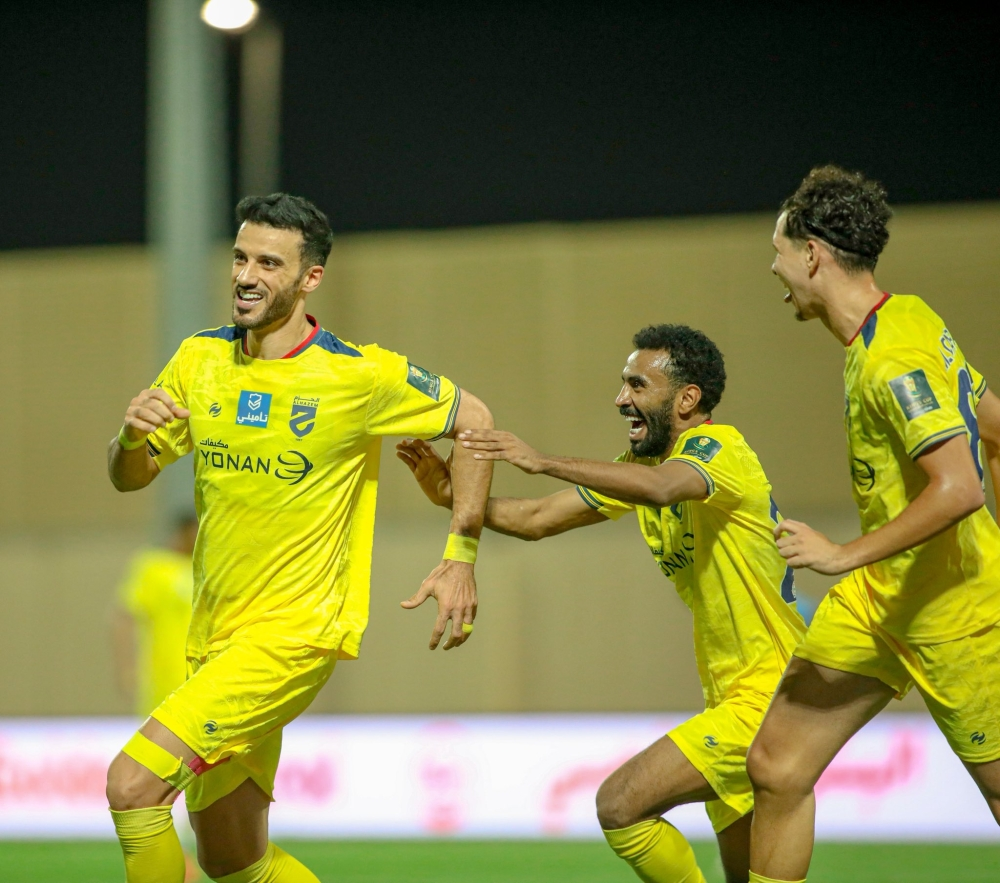
On a crucial night of African football, the top-of-the-table clash between Egypt's Al Ahly and Morocco's FAR Rabat ended in a goalless draw (0-0) at Cairo International Stadium, in the final match of the CAF Champions League group stage. While the result secured qualification for both teams to the quarterfinals, regrettable incidents of crowd trouble overshadowed the match, raising the possibility of severe sanctions from the Confederation of African Football (CAF).
With this result, Al-Ahly secured the top spot in Group B with 10 points, maintaining their unbeaten record, while the Royal Army secured the second qualifying spot from the same group, occupying second place with 9 points, thus confirming the superiority of both teams over their rivals in the group, Al-Hilal of Sudan and Mamelodi Sundowns of South Africa.
The context and importance of the match
The CAF Champions League is the most prestigious and oldest club competition in Africa, and matches between Egyptian and Moroccan clubs are always highly competitive and exciting due to the two countries' rich history in African football. Al Ahly, the record holder for the most titles, enters each edition as the favorite, while FAR Rabat, one of Morocco's most established clubs, represents a strong return to continental competition. The match was crucial in determining the group winner, which grants them a relative advantage in the quarter-final draw by avoiding a clash with the other group winners.
Unfortunate events that undermine the spirit of sportsmanship
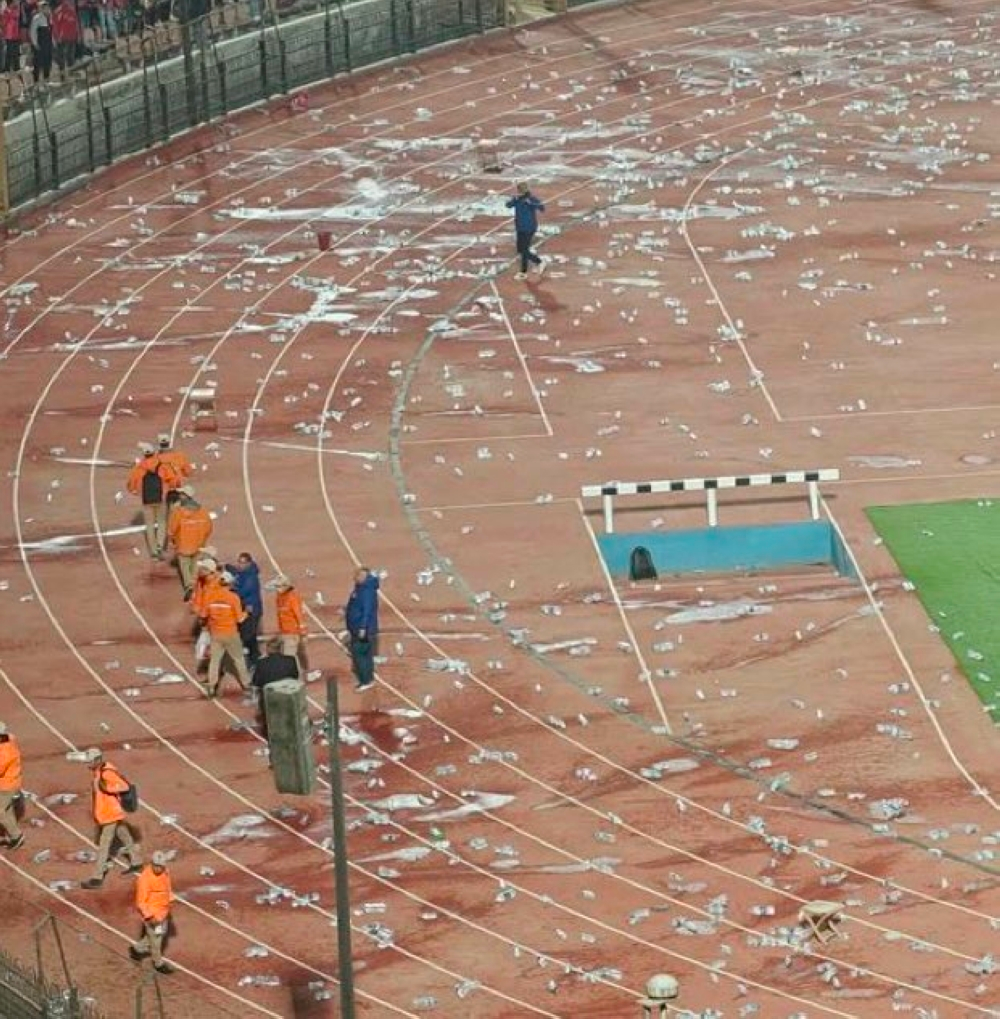
The atmosphere inside the stadium was far from ideal, with the match marred by significant tension in the stands. The unfortunate incidents began towards the end of the first half when water bottles and other projectiles were thrown from the stands onto the pitch, injuring a Royal Army player as he headed to the dressing room. The situation worsened in the second half, with continued projectile throwing, prompting the referee to halt play for several minutes to calm the situation and attempt to restore order. Videos circulating on social media showed unsportsmanlike scenes of water bottles being thrown between fans of both teams, a regrettable repetition of what occurred in the first leg in Morocco.
Expected impact and potential consequences
The Confederation of African Football (CAF) is expected to launch an urgent investigation into these events, based on the reports of the match referee and the match commissioner. The two clubs could face severe penalties, potentially including hefty fines and the imposition of stadium bans for several upcoming matches in the continental tournament. These incidents not only tarnish the image of the two major clubs but also damage the reputation of North African football, raising serious questions about security and organizational procedures in African stadiums. This incident underscores the urgent need for concerted efforts to combat fanaticism and stadium violence, which spoil the enjoyment of the game and transform it from a fair competition into an arena of tension and violence.