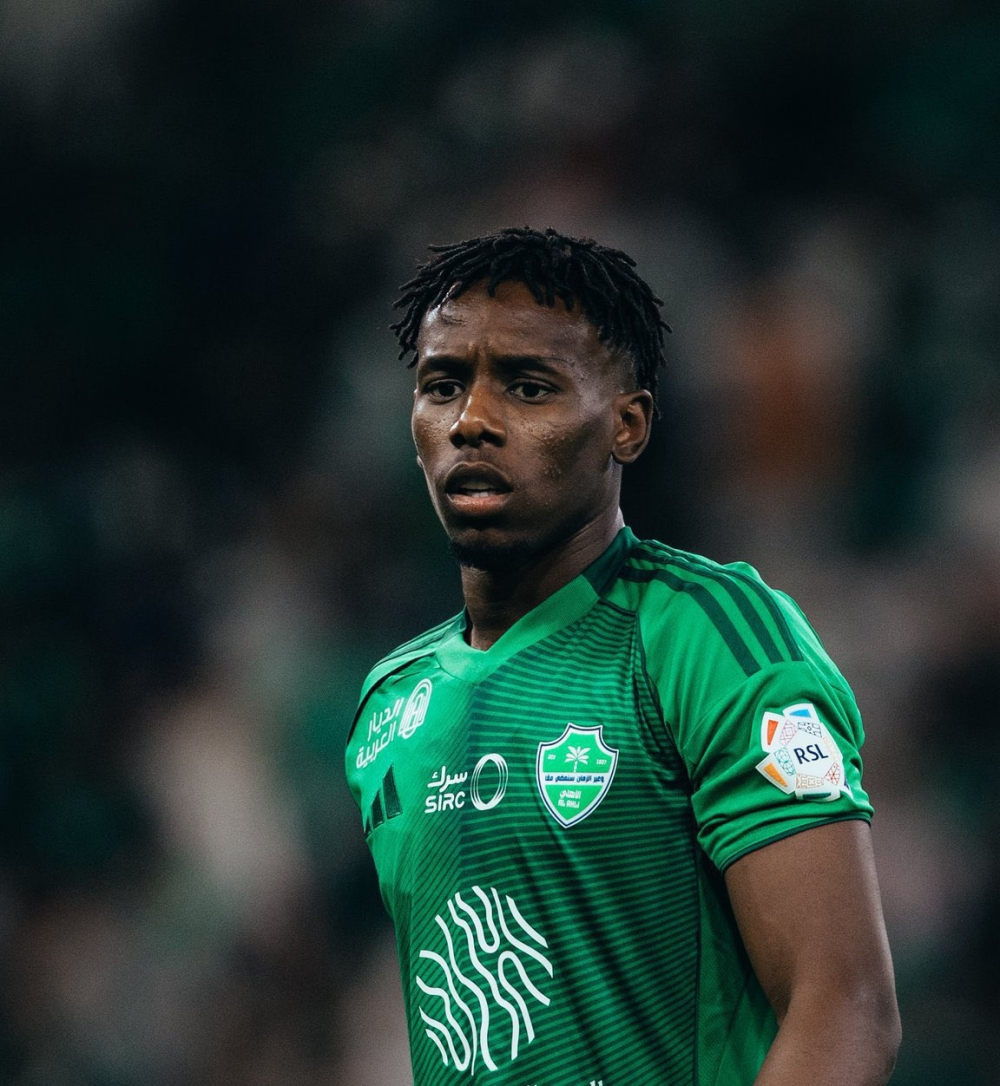
In a strategic move aimed at fostering long-term stability, Al-Ahli Saudi FC has decided to activate the purchase option in the contract of talented left-back Zakaria Hawsawi, converting his loan from Al-Raed into a permanent transfer. This decision comes after the young player's outstanding performances, which earned him the trust and admiration of the coaching staff, led by German coach Matthias Jäissle, who recommended retaining the player as a key pillar of the team for the coming seasons.
Background of the deal and its historical context
The transfer of Housawi to Al-Ahli is not just a typical deal; it carries with it details dating back to earlier periods in the player's career. Housawi began his career at Ohod Club before moving to Al-Ittihad, who later sold him to Al-Raed. As part of that deal, Al-Ittihad's management included a shrewd clause granting them 30% of the value of any future transfer of the player. This investment clause is what makes Al-Ittihad a direct financial beneficiary of Al-Ahli's decision to purchase the player's contract, a move that reflects the strategic approach to player contract management in the Saudi League.
Al-Ahly's technical importance and local influence
Domestically, securing Zakaria Hawsawi's continued presence at the club is a crucial step for Al-Ahli, who, after their return to the Saudi Professional League, are striving to build a strong team capable of competing for all titles. Hawsawi provides a long-term solution at left-back, a sensitive position requiring balanced defensive and offensive duties. The stability of this position with a young and talented Saudi player gives the team balance and allows them to focus on strengthening other positions with distinguished foreign players, in line with the vision of the Saudi football development project.
Economic impact on the clubs involved
The deal transcends its technical dimensions, encompassing significant economic implications. While Al-Ahli strengthens its squad with a promising player, Al-Raed will receive substantial cash from the transfer fee, aiding its future operations and signings. Al-Ittihad, meanwhile, will reap the rewards of its proactive planning, securing a substantial percentage of the deal without being directly involved in the negotiations. This provides the club with unexpected financial support that can be reinvested in bolstering its squad or settling its financial obligations. This dynamic reflects a growing maturity in the Saudi football market, where contracts and deals are becoming more complex and prioritize the long-term investment interests of clubs.