Air Canada, one of North America's largest airlines, announced the immediate suspension of all flights to Cuba, a surprising move reflecting the depth of the economic crisis gripping the Caribbean island. This decision stems from an unprecedented and severe shortage of jet fuel (kerosene) at Cuban airports, making refueling operations impossible.
The company explained in an official statement that it will be forced to operate empty "rescue" flights from Canada to Cuba over the next few days, with the aim of evacuating approximately 3,000 Canadian tourists stranded at their destinations. The statement added: "Cuban authorities have informed us that jet fuel will no longer be commercially available at airports starting today, and therefore we are working to bring our customers home.".
Background to the crisis: US sanctions and economic paralysis
The roots of the current fuel crisis lie in the tightening of the economic embargo imposed by the United States on Cuba since the 1960s. In recent years, the US administration, particularly under former President Donald Trump, intensified its pressure by imposing stringent sanctions targeting energy imports to Cuba, especially oil shipments from its main ally, Venezuela. Cuba relies almost entirely on subsidized Venezuelan oil to meet its energy needs, including electricity generation and transportation.
These sanctions, targeting shipping companies and oil tankers, have severely disrupted supply flows, pushing the Cuban economy to the brink of collapse. The crisis has been exacerbated by Venezuela's own economic meltdown, which has curtailed its ability to produce and export oil, even to its closest allies.
Widespread impacts on daily life and tourism
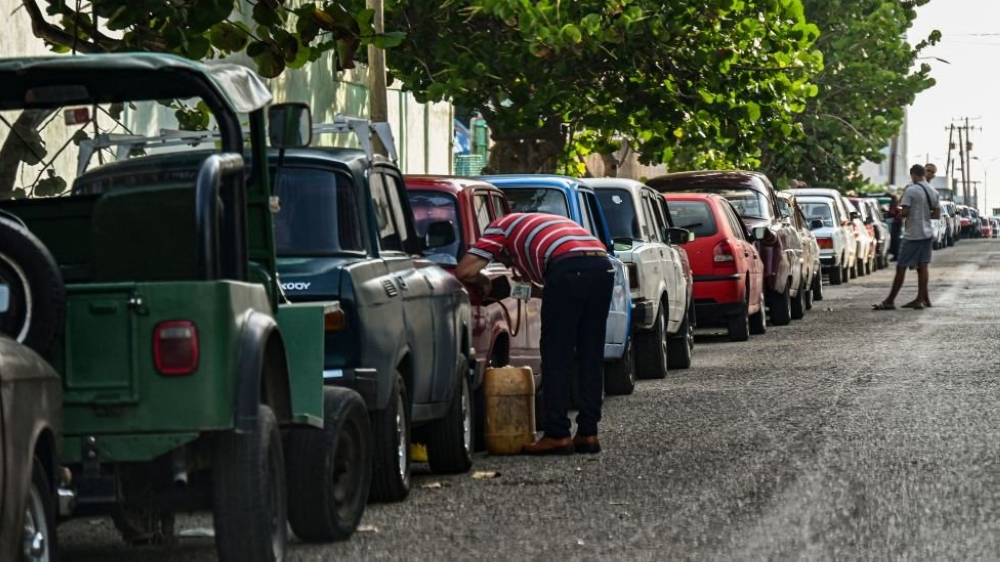
The fuel shortage wasn't limited to the aviation sector; it extended to all aspects of life in Cuba. The Cuban government announced emergency austerity measures, including rationing fuel sales to citizens, reducing working hours in government institutions, encouraging remote work, and implementing frequent and prolonged power outages across most of the country.
The decision by Air Canada represents a devastating blow to the tourism sector, a major source of foreign currency for the Cuban economy. Canada has historically been the largest source of tourists to Cuba, with hundreds of thousands of Canadians flocking annually to enjoy its beaches and culture. The suspension of flights not only impacts state revenue but also threatens the livelihoods of thousands of Cubans working in hotels, resorts, and tourism-related services.
Regional and international dimensions
This event highlights the tangible impact of foreign policies and economic sanctions on international companies and ordinary citizens. The decision by a major Canadian airline reflects the difficulty of conducting business in a complex geopolitical environment. For its part, the Cuban government accused the United States of waging an “unconventional economic war” aimed at “strangling” its economy and fomenting internal unrest. While Cuban President Miguel Díaz-Canel expressed his willingness to engage in dialogue with Washington, he emphasized that his country would not negotiate under pressure or threats.